
Creating a Safe and Clean Environment for Wound Care
October 22, 2025
Understanding the Connection for Future Parents in Surrogacy
October 23, 2025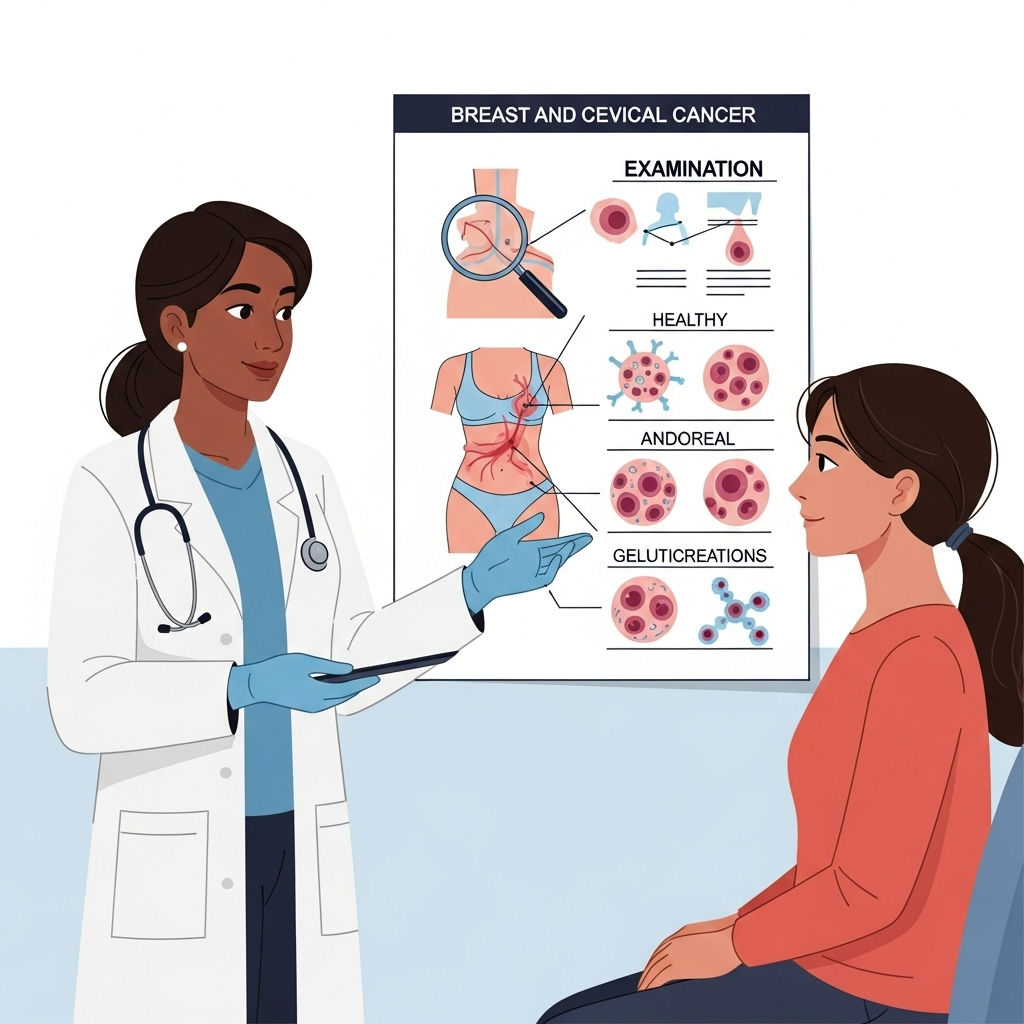
Breast cancer originates in the breast tissue when cells begin to grow out of control. These cells typically form a tumor that is often visible on an X-ray or felt as a lump. The disease occurs primarily in women, but men are also susceptible. Here are five symptoms of breast cancer and when to see a doctor:
Understanding Breast Cancer Symptoms
Staying aware of your body is a key tool for early detection. Pay attention to changes you notice in your breasts or armpits. Here are some symptoms to watch for:
- Changes in appearance: Swelling can affect all or part of a breast, even if you don’t feel a distinct lump. Look for dimpling, which might resemble an orange peel, or any persistent differences in skin texture. The nipple might also retract or become red, dry, and flaky.
- Localized discomfort: New or persistent breast or nipple pain is worth noting.
- Discharge: Any discharge from the nipple that isn’t breast milk, especially if it contains blood, should be checked by a doctor.
- Lumps: A highly recognized symptom is a new lump or mass in the breast or armpit. These can be hard with irregular edges, or they might feel tender, soft, or rounded.
- Swollen lymph nodes: You might feel swollen lymph nodes under your arm or around your collarbone. Sometimes, these can appear before any other signs in the breast.
Knowing When to Seek Care
If you notice a new lump, unusual breast changes, or persistent discomfort, it’s time to schedule an appointment with your doctor. Many of these symptoms also appear with conditions that are not cancerous, like infections or cysts. A medical evaluation is the only reliable way to determine the cause of your symptoms.
A typical appointment begins with a conversation about your symptoms, followed by a physical exam focused on the breasts and surrounding areas. If concerns arise, your doctor may refer you for imaging tests such as a mammogram or a breast ultrasound. An MRI might be requested to get a closer look at specific areas of the breast.
If imaging points to an abnormal area, a biopsy may be recommended. This test removes a small amount of breast tissue, which is then examined under a microscope for cancer cells. Only a biopsy can provide a definite diagnosis.
Exploring Treatment Options
If you receive a breast cancer diagnosis, your healthcare team will work with you to create a treatment plan tailored to your specific needs. The type and stage of breast cancer, your overall health, and personal preferences contribute to treatment decisions. Your oncology team will walk through each option, outlining what to expect, potential benefits, and possible side effects.
Treatment frequently involves a combination of approaches. Surgery is common and ranges from a lumpectomy, which removes only the diseased tissue, to a mastectomy, which removes the entire breast to prevent spread. Chemotherapy, a type of medication that circulates throughout the body, targets cancer cells. Radiation therapy uses high-energy rays focused on the breast to eliminate cancer cells or reduce recurrence risk after surgery.
Work With a Cancer Specialist Today
Professional guidance is key during the process of cancer diagnosis and treatment. Your healthcare provider will explain each step, from examination through diagnosis and treatment planning. Take the opportunity to ask questions and express your concerns as you move forward. Contact a medical professional today to discuss changes in your breast health or schedule an evaluation.