
How Transitional Housing Can Help Address Mental Health Needs
December 23, 2025
What To Ask Your Orthopedic Surgeon Before a Procedure
December 26, 2025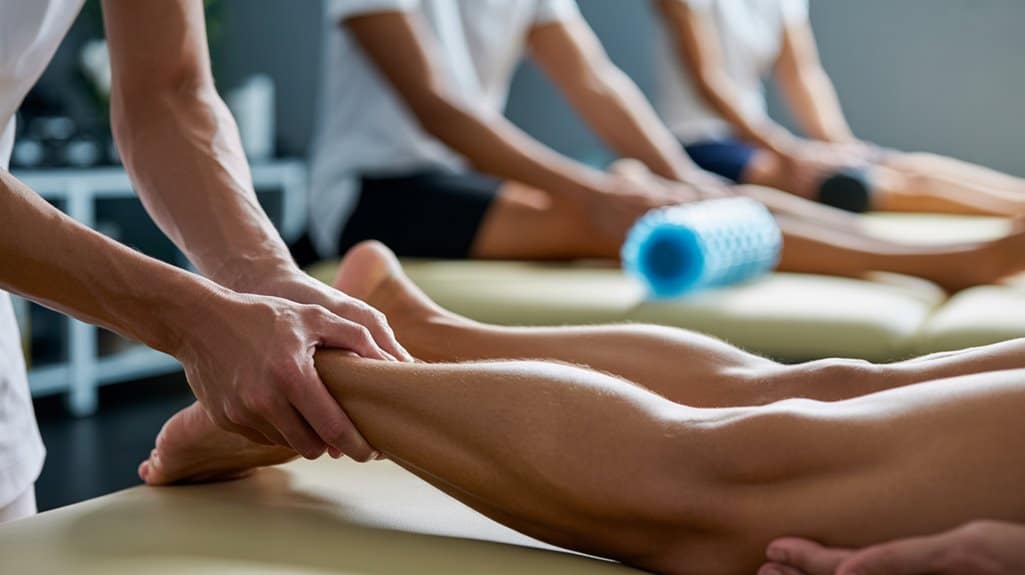
Experiencing an injury is common for active individuals, and it can disrupt sports, recreation, or everyday routines. Returning to full function requires professional support and a structured approach in some cases. Sports medicine provides a clear framework for rehabilitation; it supports progress from injury toward renewed health and strength. Here’s how sports medicine can aid in post-injury rehabilitation:
Developing a Tailored Recovery Plan
Every person faces unique circumstances during healing, and sports medicine adapts to those differences. Rather than viewing recovery through a single lens, specialists create strategies centered around your specific needs. They invest time in learning about your personal objectives. Sports healthcare professionals assess your routine, the types of activities you prefer, and your medical background. This fundamental information forms the backbone of an effective recovery roadmap. With a personalized plan, you receive guidance focused on getting you back to your activities.
Setbacks can also occur during the recovery process. A dedicated care team provides support during unexpected challenges, and they help you stay focused on progress. By reevaluating your recovery and adjusting your plan, they address obstacles without disrupting momentum. This flexible approach keeps your care aligned with your changing needs, and it supports steady, continued improvement.
Restoring Strength and Mobility
Sports medicine places an emphasis on practical movement and functional strength. Getting back to your usual routine involves healing tissue, and it requires restoring normal movement and building a stronger foundation to help prevent setbacks. Rest is sometimes necessary, but not always sufficient.
Muscles and joints can lose strength and flexibility after injury. Through specific exercises, sports healthcare supports you in rebuilding movement patterns and muscle coordination. This process strengthens the area around your injury, helping your body handle stress more efficiently when you return to activity.
A valuable aspect of sports healthcare is its focus on education. Specialists explain why the injury may have occurred, whether due to muscle imbalances, form, or overuse. By identifying causes, they suggest corrective actions and improved movement habits. With this knowledge, you can be better equipped to protect yourself long-term and reduce risk in the future.
Supporting a Safe Return to Activity
Sports medicine plays a key role in preparing individuals to return to regular activity, and proper fitness techniques help prevent subsequent injuries. Returning too quickly can increase strain. Sports healthcare professionals help with the transition from rehabilitation to full participation. They reintroduce physical demands gradually; this controlled progression supports a safe, purposeful return to activity. Specialists may assess movement quality, endurance, and coordination. As activity increases, the body’s response is monitored, and adjustments are made to limit unnecessary strain. This measured process supports consistent progress, and it can promote long-term functional outcomes.
Find a Sports Medicine Professional
Recovering from an injury requires adaptability and appropriate guidance, and sports medicine offers an individualized framework for care. With tailored recovery strategies and practical education, patients receive structured support throughout healing. If you are recovering from an injury, consult a sports healthcare professional to promote a consistent and well-informed recovery.