How Stress Impacts Pelvic Floor Dysfunction
December 29, 2025Tips for Managing Asthma in Changing Seasons
December 29, 2025
Chronic back and neck pain affects millions of people, often interfering with daily activities and diminishing quality of life. Understanding the factors that contribute to this discomfort is the first step toward finding relief. Developing effective management strategies can help you regain control and improve your physical well-being.
How Does Posture Impact Pain?
The way you hold your body throughout the day directly influences the strain on your spine. Poor posture, such as slouching at a desk or hunching over a phone, places uneven pressure on the vertebrae, muscles, and ligaments in your back and neck. This sustained tension can lead to stiffness and persistent aches. Over time, these habits can alter the natural curvature of your spine, contributing to chronic discomfort.
Correcting your posture involves conscious effort and consistent practice. When sitting, aim to keep your feet flat on the floor, your back straight, and your shoulders relaxed. Aligning your ears over your shoulders helps maintain a neutral neck position. Standing tall with your weight distributed evenly on both feet also reduces unnecessary spinal stress. These small adjustments can make a significant difference in managing back and neck pain.
Which Therapies Provide Relief?
Various therapeutic approaches can offer relief by addressing the underlying causes of discomfort. These treatments focus on reducing muscle tension, improving mobility, and strengthening supportive muscles. Finding the right therapy often involves exploring different options to see what works best for your specific condition.
Many people find success with hands-on treatments and guided exercises. Some common therapies include:
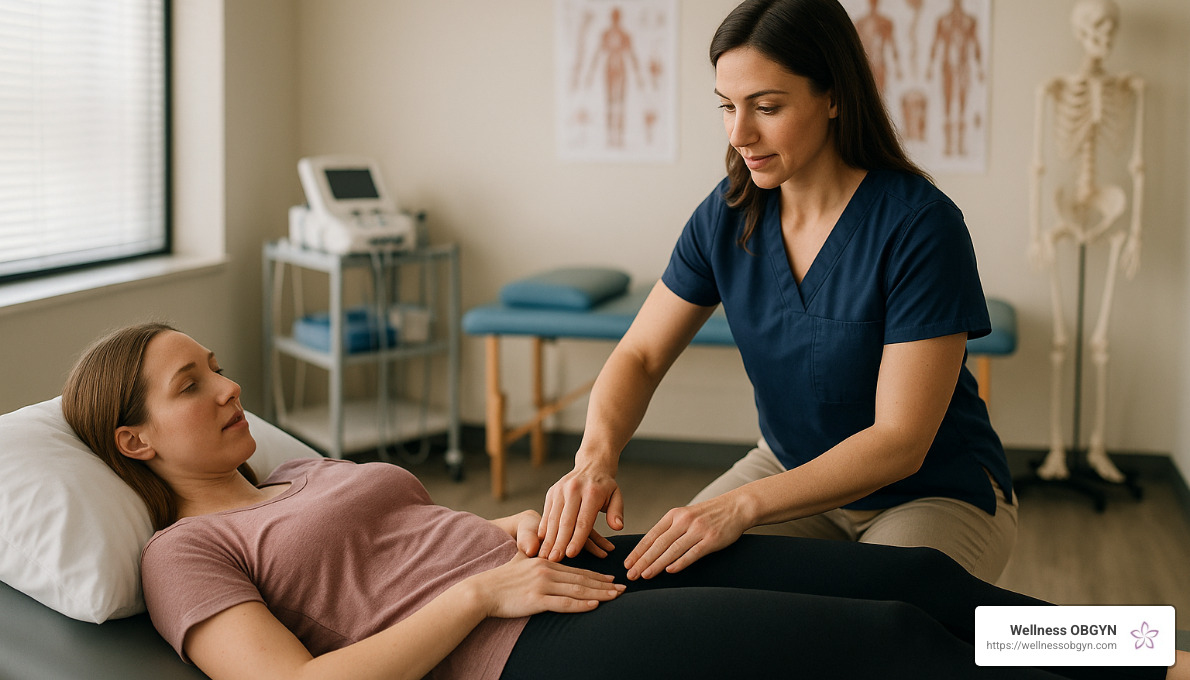
- Physical Therapy: A structured program designed to improve strength, flexibility, and range of motion through targeted exercises and stretches.
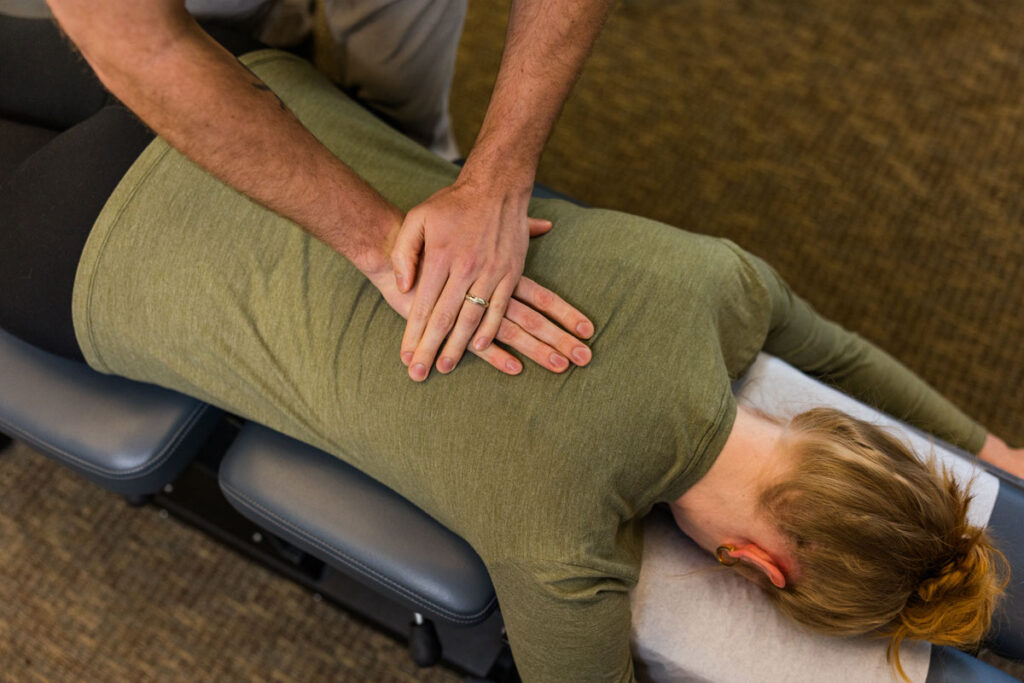
- Chiropractic Care: Involves spinal manipulation and other manual adjustments to improve spinal alignment and body function.
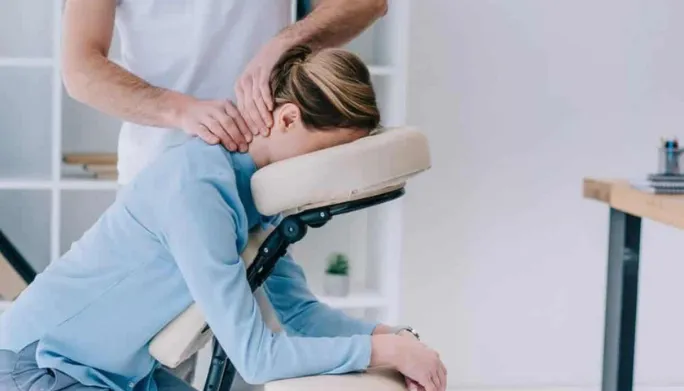
- Massage Therapy: Focuses on manipulating soft tissues to relieve muscle tension, reduce stress, and improve circulation.
- Acupuncture: A traditional practice that involves inserting thin needles into specific points on the body to alleviate pain.
These therapies are often used in combination to create a comprehensive pain management plan. A qualified professional can guide you through the process, tailoring the approach to your individual needs and helping you achieve lasting relief from back and neck pain.
What Lifestyle Changes Help?
Incorporating positive habits into your daily routine can support spinal health and reduce pain. Simple lifestyle modifications may have a substantial effect on managing chronic discomfort. These changes often focus on movement, nutrition, and rest. Some helpful lifestyle changes include:
- Engage in regular low-impact exercise
- Maintain a healthy weight
- Stay hydrated throughout the day
- Select a supportive mattress and pillows
- Practice stress-reduction techniques
- Take frequent breaks to stretch and move
Adopting these habits can complement other treatments and contribute to long-term pain management. By taking an active role in your daily wellness, you build a stronger foundation for a healthier, more comfortable life.
Consult a Back and Neck Pain Specialist
Managing chronic pain involves a multifaceted approach that includes improving posture, exploring therapies, and making supportive lifestyle changes. Each of these strategies plays a role in reducing discomfort and enhancing your overall well-being. If your pain persists, seeking professional guidance is a logical next step. A specialist can offer a thorough evaluation and develop a personalized treatment plan tailored to your specific needs. Do not hesitate to consult a specialist to explore your options and move toward a more comfortable future.