
Practical Tips for Everyday Management of Asthma
December 30, 2025
Diet, Exercise, and Lifestyle Tips for Managing Psoriatic Arthritis
December 30, 2025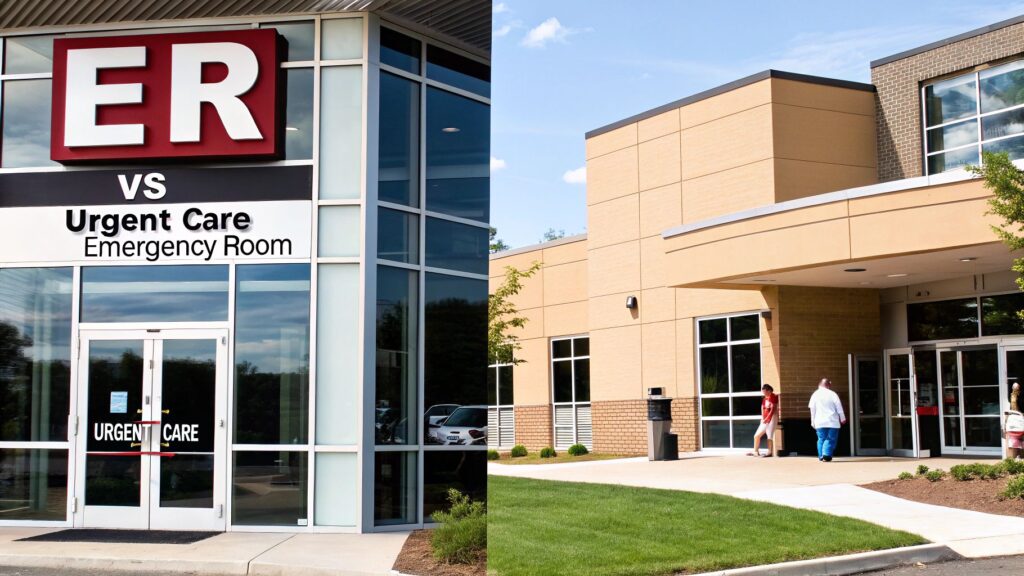
Emergency healthcare addresses acute illnesses and injuries that require immediate attention. This type of care utilizes many interventions to stabilize life-threatening conditions and treat minor wounds. When you need immediate medical attention, knowing where to go can help you get timely treatment. Here’s information on when to visit emergency rooms, urgent care centers, or combination emergency care urgent clinics:
Emergency Rooms in Hospitals
Emergency rooms (ERs) are specialized departments within hospitals equipped to handle severe, life-threatening medical situations. These facilities operate 24 hours a day, 7 days a week, and are staffed by emergency medicine physicians, nurses, and specialists trained in rapid triage and crisis management. The primary function of an ER is to stabilize patients who have experienced major trauma, heart attacks, strokes, severe breathing difficulties, or uncontrollable bleeding.
Because hospital ERs are designed for high-acuity cases, they have immediate access to operating rooms and extensive diagnostic equipment. Patients arriving at an ER are prioritized based on the severity of their condition rather than their arrival time, which means those with minor ailments may experience longer wait times. Emergency rooms are the correct choice for emergency care when a condition appears life-threatening or could cause permanent disability if not treated immediately.
Urgent Care Clinics
Urgent care clinics help bridge the gap between primary care physicians and emergency rooms. These facilities typically handle non-life-threatening conditions that still require prompt attention, usually within 24 hours. Most urgent care centers offer extended hours, including evenings and weekends. Urgent care clinics are generally faster and less expensive than hospital ERs, but they are not equipped to handle major trauma or complex surgical emergencies. Some common reasons for visiting an urgent care clinic include:
- Minor Fractures
- Sprains
- Fevers
- Flu Symptoms
- Minor Cuts
- Ear Infections
Emergency Urgent Care Clinics
An emergency urgent care clinic combines elements of traditional urgent care and hospital emergency services. These facilities provide a higher level of care than standard walk-in clinics, allowing them to treat more serious conditions that might typically require a hospital visit. By offering expanded services, these centers manage situations that fall into the gray area between minor urgency and serious emergency.
Emergency urgent care clinics are equipped to handle complex cases such as displaced fractures, which require realignment, and certain presentations of chest and abdominal pain. Staff at these locations can evaluate chest pain or assess abdominal pain for serious underlying issues. If a condition is too severe, they have protocols to transfer patients to a hospital for surgery or intensive care.
On-site Imaging Technology
A defining feature of emergency urgent care clinics is their access to advanced imaging technology. While standard urgent care centers may offer X-rays, these enhanced facilities often have CT scanners and ultrasound equipment on-site. This allows medical staff to diagnose internal injuries, appendicitis, or kidney stones rapidly without referring patients to a hospital.
On-site Lab and Pharmacy
Efficiency is paramount in acute care settings, and emergency urgent care clinics support this through on-site laboratories and pharmacies. Having a lab means blood work and urinalysis results are available the same day, aiding faster diagnosis and treatment. An on-site pharmacy allows patients to fill prescriptions immediately after their visit, streamlining the recovery process.
Learn More About Emergency Care
Emergency rooms are fundamental for life-threatening crises, while urgent care clinics provide timely treatments for minor ailments. Emergency urgent care clinics provide a middle ground, utilizing advanced technology to treat significant but stable conditions. Knowing the distinction between these facilities helps you make informed decisions during medical events. To learn more about emergency care services in your area, contact a clinic near you today.