

The Lifespan of Dental Implants
January 2, 2026
Identifying Different Types of Neck Pain and Their Treatments
January 5, 2026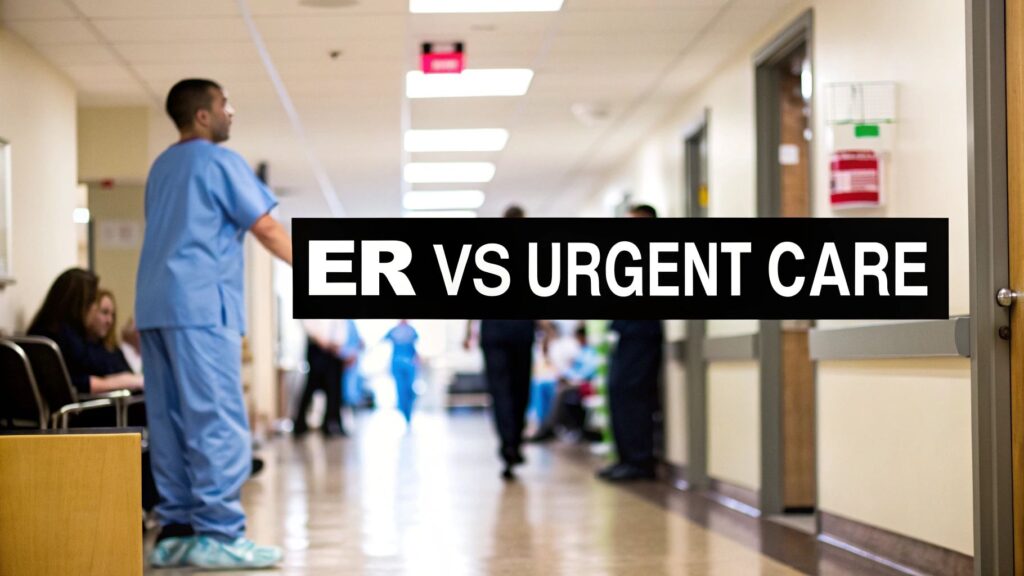
Sickness can show up unexpectedly, even when you’ve done your best to stay healthy. While this situation is complex, urgent care clinics provide services that fall between your doctor and the hospital. They offer straightforward solutions for many problems and aim to help quickly, so you don’t have to wait long for support. Here is more information about when to go to urgent care or the emergency room:
Reasons for Urgent Care
When minor illnesses or injuries disrupt your daily routine, walk-in clinics offer accessible help. These clinics treat non-life-threatening conditions such as mild respiratory infections, sprains, earaches, and minor cuts. If you develop a sore throat, a mild fever, or simple muscle pain, a medical provider has the tools to help.
Urgent care centers typically have extended evening and weekend hours, and most do not require appointments. This means you can walk in for attention without calling ahead or rearranging your schedule. These clinics offer basic X-ray services and lab tests for many routine health concerns, so you don’t need to see a hospital for every problem.
People use urgent care for several reasons, including:
- Mild allergic reactions
- Minor burns
- Simple sports injuries
A quick return to everyday activities is possible for many, and the environment may be less overwhelming than that of a large hospital. These centers operate efficiently, with patient comfort in mind.
Reasons for an Emergency Room
Hospitals are equipped to handle the most severe and life-threatening conditions. If you or a loved one experiences chest pain, trouble breathing, or loss of consciousness, use the emergency room. ER teams have full access to specialized technology and personnel, and this means advanced diagnostic tools and immediate treatments are available for complex or dangerous symptoms.
The emergency room is also the destination for severe trauma, such as broken bones that pierce the skin or large wounds. They also provide services for symptoms suggesting a stroke, such as sudden numbness or slurred speech. Surgeons and specialists are on-site at all hours, ready to manage both physical injuries and medical crises.
Sometimes, a person will bleed uncontrollably, or breathing difficulties may not improve after using an inhaler. In these moments, medical staff in the emergency department take swift action. They create a safe and supportive space, and they can provide help when urgent treatment is needed.
Level of Severity
Both urgent care clinics and hospital emergency rooms address medical needs, but the severity of your symptoms should guide your decision. Evaluate if your issue threatens your safety, your life, or your ability to function normally. Hospital emergency rooms address situations where minutes matter, but urgent care clinics tackle issues that require timely, but not immediate, intervention. Visit the emergency room for:
- Chest pain or pressure
- Shortness of breath
- Burns or wounds
- Vision loss
If symptoms are mild, develop slowly, or do not threaten your well-being, these centers provide safe solutions. If you witness a rapid change in someone’s condition or suspect a life-threatening event, use emergency services without delay.
Visit an Urgent Care Center
Your health is significant, and seeking the right care supports your long-term well-being. Medical professionals are ready to help with minor injuries and illnesses when you need prompt attention. If you aren’t facing life-threatening symptoms, visit your nearest clinic for accessible and reliable treatment. Take charge of your health and visit a clinic when you want straightforward, timely care.