
Allergy Shots: A Targeted Solution to Build Immune Tolerance and Relieve Symptoms
September 4, 2025
Understanding the Benefits of Family Planning in Modern Society
September 4, 2025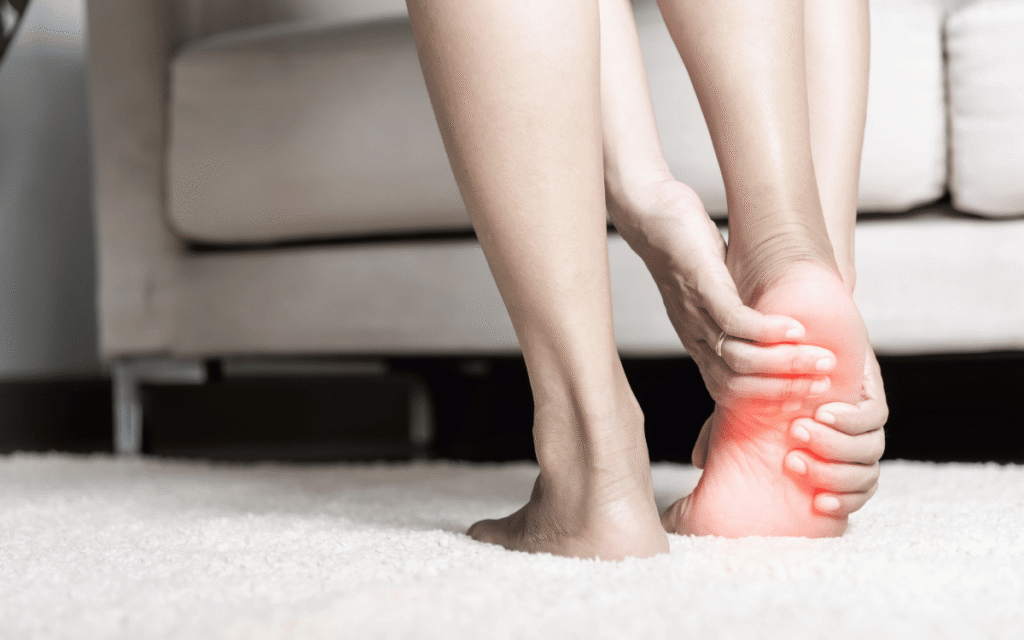
Nearly two million people suffer from some type of heel pain every year. Heel pain is a frequent musculoskeletal complaint that can affect daily activities, with the pain typically originating from the underside or the back of the heel. Here is more information on common conditions that cause this pain, including plantar fasciitis and Achilles tendinitis:
Understanding Plantar Fasciitis
Plantar fasciitis is a primary source of heel pain. The plantar fascia is a thick band of tissue that runs across the bottom of your foot, connecting your heel bone to your toes. This condition involves irritation and inflammation of that tissue. The pain is often most pronounced with the first steps in the morning or after long periods of rest. It may decrease during activity but return after prolonged standing or walking.
Factors that can contribute to plantar fasciitis include:
- Repetitive strain from activities like running or standing for extended periods.
- Foot mechanics, such as having flat feet or a high arch.
- Wearing footwear with inadequate support.
The condition results from micro-tears in the fascia, leading to a local inflammatory response and pain.
Identifying Other Causes
Achilles tendinitis is another cause of pain, specifically affecting the back of the heel. The Achilles tendon is a large tendon that connects the calf muscles to the heel bone. Tendinitis occurs when this tendon becomes inflamed due to overuse or repetitive strain. This can result from a sudden increase in the intensity or duration of physical activity, such as running or jumping. The pain is typically a dull ache in the back of the leg or above the heel after activity.
Other conditions can also lead to heel pain. Stress fractures, which are small cracks in a bone, can occur in the heel bone from overuse or repetitive impact. Sever’s disease, a condition seen in active children and adolescents, involves inflammation of the growth plate in the heel. It typically resolves once the foot is fully grown.
Addressing Heel Pain at Home
You can manage many cases of pain with simple at-home strategies. Resting the affected foot and reducing activities that aggravate the pain allows the tissues to recover. Applying ice to the area for 15 to 20 minutes several times a day can help reduce inflammation and discomfort. Gentle stretching exercises, particularly for the calf muscles and the plantar fascia, can relieve tension and improve flexibility.
Proper footwear also plays a large part in supporting the foot and reducing strain on the heel. Shoes with good arch support and adequate cushioning can absorb shock and distribute pressure more evenly across the foot. In some cases, over-the-counter or custom orthotic inserts can provide additional support and correct biomechanical imbalances that contribute to pain.
Find a Podiatrist
Heel pain commonly stems from conditions like plantar fasciitis, which affects the bottom of the heel, and Achilles tendinitis, which affects the back. At-home management techniques include rest, ice application, and specific stretching exercises for the foot and calf. Choosing supportive footwear and using orthotic inserts can also provide relief by correcting foot mechanics and reducing strain on the heel structures. To identify the cause of your pain, consult with a podiatrist.