
Benefits of Foot and Ankle Specialists for Athletes
September 16, 2025
How to Communicate Effectively with Your Eye Doctor
September 17, 2025
Endodontic implants are a part of restorative dental care, providing advanced solutions for damaged or missing teeth. If you’re exploring treatment options or preparing for a procedure, it’s helpful to understand what endodontic implants involve. Knowing how to plan for surgery and what to expect during recovery can make the process easier.
Understanding Endodontic Implants
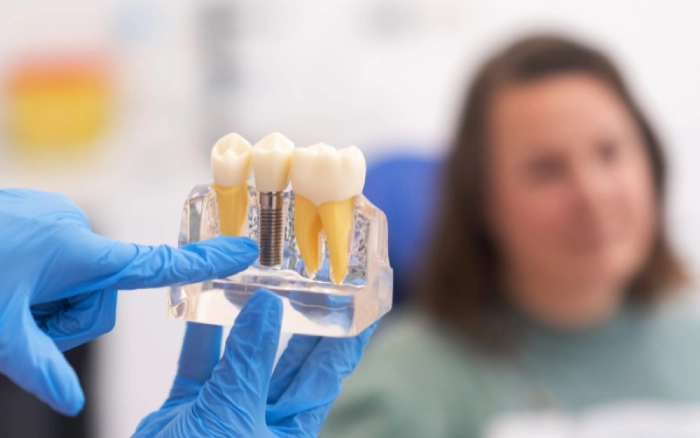
Endodontic implants are specialized devices designed to replace damaged teeth and their roots, providing a stable foundation for the placement of artificial crowns. Unlike traditional procedures that rely solely on prosthetics, these implants integrate with your jawbone, mimicking the functionality and feel of natural teeth. This type of implant is typically recommended in cases where the tooth structure is severely compromised, and salvaging the natural tooth is no longer viable. Each procedure is tailored to the individual’s unique anatomy and needs, providing precision and durability.
Choosing the Right Specialist
Selecting a qualified dental professional is beneficial to the success of endodontic implant procedures. Here are several factors to think about when choosing the right specialist:
- Credentials and Experience: Look for a specialist with advanced training in implant dentistry, ideally with certifications in endodontics or oral surgery.
- Patient Reviews and Recommendations: Reading testimonials or seeking recommendations from trusted sources can provide valuable insights into the specialist’s care quality and patient outcomes.
- Technology and Techniques: Choose a provider who utilizes modern diagnostic tools, including 3D imaging and computer-guided surgery, to enhance precision.
- Clear Communication: Opt for a specialist who takes the time to explain the process, risks, and benefits in detail, ensuring you feel confident in your care plan.
Preparing for Your Procedure
Preparation is a part of undergoing a successful endodontic implant procedure. Your dentist will begin by conducting a comprehensive evaluation of your oral health, which may include x-rays, CT scans, and physical assessments. These diagnostics help determine the suitability of an implant and guide treatment planning. Before surgery, you may need to follow specific instructions, such as fasting or stopping certain medications. Arranging post-operative support, such as transportation and assistance during recovery, can help patients feel more at ease.
Recovering After the Surgery
Recovery following endodontic implant surgery varies depending on the complexity of the procedure and individual factors. Here are some key aspects of the process:
- Managing Discomfort: Expect mild swelling, bruising, or soreness, which can be alleviated with prescribed pain management and the use of cold compresses.
- Maintaining Oral Hygiene: Your dentist will provide instructions for cleaning around the implant to avoid infection. Use gentle rinses or specialized cleaning tools as recommended.
- Monitoring Healing Progress: Follow-up appointments are beneficial for assessing the implant’s integration with the jawbone and ensuring proper healing.
- Diet Modifications: Stick to a soft-food diet during the initial recovery period, gradually reintroducing regular foods as healing progresses.
- Recognizing Potential Issues: Be aware of warning signs, such as persistent pain or unusual swelling, and contact your provider immediately if they occur.
Get Started with Endodontic Implants
Endodontic implants offer an excellent option for individuals seeking a durable, natural-feeling solution to severe dental issues. By understanding the procedure, working with a skilled professional, and preparing thoroughly, you set the foundation for lasting oral health and functionality. If you’re ready to explore this treatment option, consult with a qualified specialist to begin your personalized care plan.