
Hormone Replacement Therapy and Its Role in Managing Stress
September 30, 2025
Laser Hair Removal Myths You Need to Know
October 1, 2025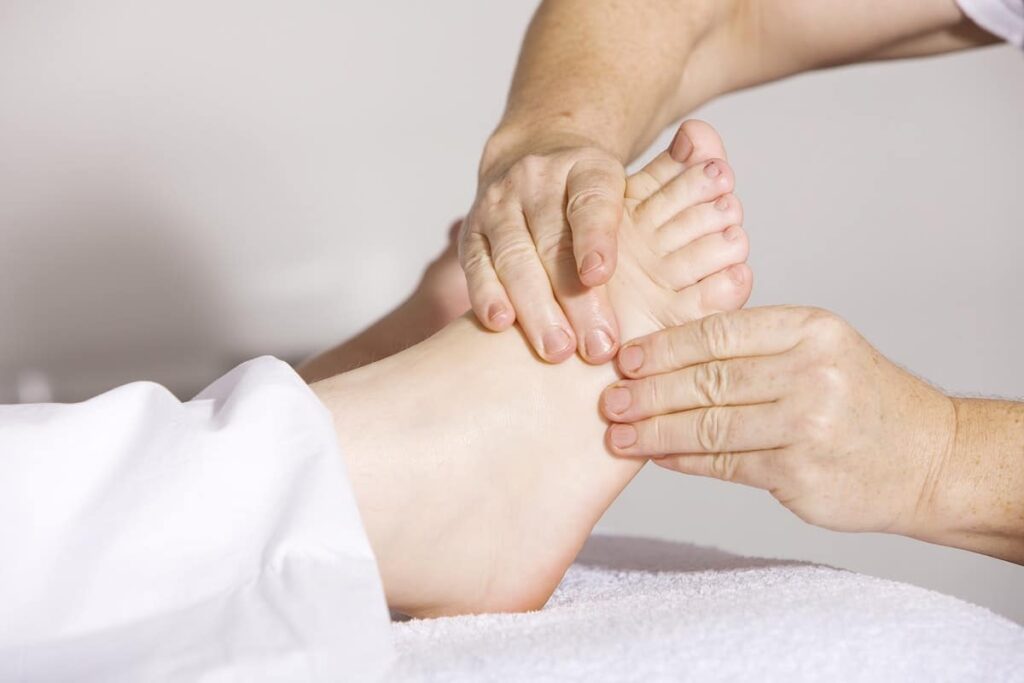
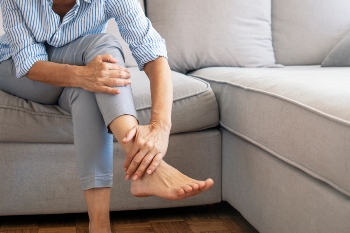
Foot pain is a common issue for individuals who spend extended periods on their feet, whether at work or during daily activities. Prolonged standing puts extra stress on the muscles, joints, and ligaments of the feet, often leading to discomfort that can affect overall mobility and quality of life. Understanding the causes and learning practical ways to manage this pain can make a significant difference.
Understanding Causes of Foot Pain
Several factors contribute to foot pain when standing for extended periods. Plantar fasciitis is a common condition affecting workers who stand for extended periods. This condition occurs when the thick band of tissue supporting the arch becomes inflamed, causing heel and arch pain.
Poor footwear choices significantly impact foot comfort during long-standing periods. Shoes with inadequate arch support, worn-out cushioning, or improper fit can increase pressure on specific areas of the foot. High heels or completely flat shoes both contribute to foot pain by altering natural foot mechanics.
Hard surfaces amplify the stress on feet during prolonged standing. Concrete floors, commonly found in hospitals, factories, and retail environments, provide minimal shock absorption. This lack of cushioning increases the load on foot structures and accelerates fatigue.
Preventing Foot Discomfort
Proper footwear selection forms the foundation of foot pain prevention. The following measures can help reduce foot discomfort:
- Choose shoes with adequate arch support, cushioned soles, and a proper fit to support even weight distribution across the foot.
- Replace work shoes regularly, as worn-out cushioning loses its protective properties over time.
- Utilize supportive insoles or orthotics to enhance comfort in existing footwear.
- Use anti-fatigue mats in workplaces where prolonged standing is necessary. These mats absorb impact and reduce stress on feet and legs by providing cushioning on hard surfaces.
Implementing these measures can alleviate the strain on foot structures and enhance overall comfort during daily activities.
Relieving Foot Discomfort at Work
Simple exercises performed during work breaks can alleviate foot discomfort. Calf raises, toe flexion, and ankle circles promote blood circulation and reduce muscle tension. These movements can be performed discreetly in most work environments and take only a few minutes.
Alternating between standing positions throughout the day helps prevent excessive stress on specific foot areas. Shifting weight from one foot to the other, using a footrest, or taking brief walking breaks when possible can help reduce fatigue. Post-work care plays a key role in recovery and prevention. Soaking feet in cool water, performing gentle stretches, and elevating the legs help reduce swelling and promote healing. Ice application to sore areas can provide temporary pain relief.
Seeking Professional Help
Persistent foot pain that interferes with daily activities warrants professional evaluation. If discomfort continues despite implementing preventive measures, underlying conditions may require specific treatment. Certain symptoms indicate the need for immediate medical attention. Severe pain that develops suddenly, along with significant swelling, numbness, or tingling in the feet, should be evaluated promptly. These symptoms may indicate nerve compression or other serious conditions requiring professional treatment. A podiatrist can identify specific conditions contributing to discomfort and develop targeted treatment plans.
Schedule Your Foot Pain Consultation
Managing foot pain caused by prolonged standing requires a comprehensive approach that combines proper footwear, workplace modifications, and self-care strategies. While many cases respond well to conservative measures, persistent pain benefits from professional evaluation and treatment. For ongoing foot discomfort caused by prolonged standing, contact a trusted podiatrist near you to schedule a consultation today.