

How Hair Restoration Works
October 8, 2025
Hair Restoration Success Stories: Real-Life Transformations
October 8, 2025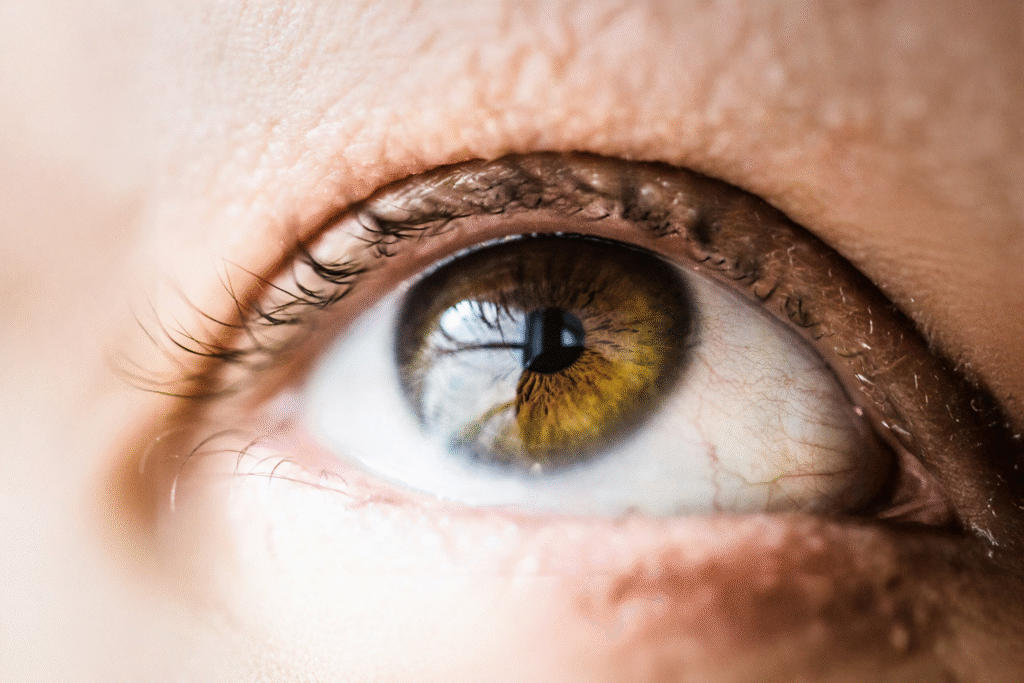
Eye doctors are healthcare professionals who specialize in the health of your eyes and visual system. They provide a range of services from vision testing and correction to the diagnosis, treatment, and management of eye diseases. Visiting a doctor is a proactive step in managing your eye health because they possess the specialized knowledge to detect potential problems. Here is more information about the role of an eye doctor:
Providing Eye Exams
During a comprehensive eye exam, an eye doctor assesses your vision and the overall health of your eyes. These examinations typically involve a series of tests that measure visual acuity, eye alignment, and internal eye pressure. They can check for refractive errors like nearsightedness or farsightedness, and they also look for signs of developing eye conditions.
Using Cutting-edge Technology
Modern eye care practices utilize advanced diagnostic tools to get a detailed view of your eye structures. Many practices use retinal imaging and optical coherence tomography (OCT), but the specific technologies available will vary from one practice to another. Because these instruments provide high-resolution images of the eye’s internal components, they assist in identifying subtle changes over time.
Offering LASIK Surgery
LASIK is a surgical procedure that some ophthalmologists perform to correct vision. The surgery reshapes the cornea, which is the clear front part of the eye, so light can focus properly on the retina in the back. A detailed evaluation precedes the procedure to determine a person’s eligibility for the operation.
- Improved vision without the need for glasses or contact lenses.
- Quick recovery time, typically allowing patients to return to normal activities within a few days.
- Long-lasting results, with many individuals experiencing stable vision for years after the procedure.
- Enhanced convenience and freedom, especially for active lifestyles or careers requiring clear, unaided vision.
Catching Issues Early
Early detection of eye diseases enables timely management, which is a key part of preserving vision. During routine checkups, an eye doctor typically evaluates your eyes for conditions such as glaucoma, cataracts, and diabetic retinopathy. Since many eye diseases develop without obvious early symptoms, regular appointments provide an opportunity to spot them early.
Some conditions develop slowly over many years. Glaucoma may progress without pain or immediate vision loss, so an eye doctor monitors for changes in eye pressure. Regular monitoring helps establish a baseline for your eye health, making it easier to identify any deviations that may appear later.
The information gathered during an exam helps your doctor form a complete picture of your ocular health. This data is recorded in your medical file, and it is used as a reference point for future visits. Maintaining a consistent record of your eye health history enables the doctor to identify trends and make informed decisions about your care.
Visit an Eye Doctor
Regular visits to an optometrist are a fundamental component of maintaining your eye health. These appointments provide an opportunity to discuss any changes you may have noticed in your vision. While you manage your day-to-day well-being, your doctor can focus on monitoring the long-term health of your eyes. To take the next step in managing your eye care, schedule an appointment with a local eye doctor today.


