
Understanding the Benefits of Geriatric Care for Aging Populations
October 22, 2025
Exploring the Benefits of LASIK Surgery
October 22, 2025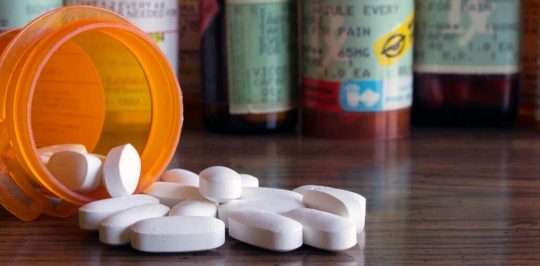
Navigating the path to recovery involves understanding the different support systems available. Medication Assisted Treatment (MAT) is one approach that combines medications with counseling and behavioral therapies to treat substance use disorders. It is a comprehensive method designed to address the multifaceted nature of addiction. Understanding what this treatment entails can provide clarity and help you make informed decisions about your health and well-being.
How Does Medication Assisted Treatment Work?
Medication Assisted Treatment works by using specific medications to normalize brain chemistry and block the euphoric effects of alcohol and opioids. This helps relieve physiological cravings and normalize body functions without the negative effects of the abused substance. The medications operate under the supervision of a medical professional, and the process is tailored to your individual needs.
The primary goal is to provide a safe and controlled level of medication to help manage withdrawal symptoms. This stabilization allows you to engage more fully in other aspects of your recovery program. A healthcare provider will evaluate your specific situation to determine the appropriate medication and dosage, monitoring your progress and making adjustments as needed.
How Is MAT Combined with Therapy?
MAT is most effective when it is integrated with counseling and behavioral therapy. The medication helps manage the physical aspects of addiction, which creates a foundation for you to address the psychological components of the disorder. Therapy provides a space to explore the root causes of substance use and develop healthy coping mechanisms. In therapy sessions, you will learn new skills to manage triggers and stressors. Cognitive-behavioral therapy (CBT) or other therapeutic approaches might be used to help you change thought patterns and behaviors associated with substance use. This dual approach of medication and therapy offers a whole-person strategy for recovery, supporting both your mind and body.
How Does MAT Prevent Relapse?
Medication Assisted Treatment helps prevent relapse by reducing cravings and withdrawal symptoms, which are common triggers for returning to substance use. By stabilizing brain function, these medications allow you to focus on developing the skills necessary for long-term sobriety. This creates a supportive environment for recovery.
- Reduces Cravings: The medications help decrease the intense urges to use substances, making it easier to manage daily life without constant distraction.
- Alleviates Withdrawal Symptoms: MAT can lessen the discomfort of withdrawal, which can otherwise be a significant barrier to stopping substance use.
- Blocks Euphoric Effects: Certain medications block the rewarding effects of opioids or alcohol, reducing the incentive to use them.
This combination of effects provides a strong defense against relapse. It gives you the stability needed to participate in therapy and rebuild your life. The structured support of MAT helps sustain your commitment to recovery over the long term.
Consult a Specialist
Taking the first step toward recovery is a significant decision. Understanding the details of Medication Assisted Treatment can help you feel more prepared for the journey ahead. If you are exploring treatment options for yourself or a loved one, speaking with a qualified professional can provide personalized guidance. A specialist can assess your unique circumstances and outline a path forward. Reach out to a treatment provider today to learn more about how MAT can support your recovery goals.