
Differences Between Brain and Spine Surgeries
October 23, 2025
Benefits of Regular Check-Ups in Family Medicine
October 23, 2025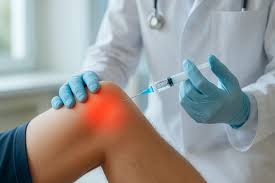
Platelet-rich plasma (PRP) therapy is a process in which a concentration of a patient’s own platelets is isolated and then reinjected to support the body’s natural healing. PRP has applications in numerous medical fields, including sports medicine, orthopedics, and dermatology. By using your body’s natural healing mechanisms, PRP assists the recovery process and potentially enhances tissue repair. Here is more information about the role of PRP in accelerating healing and recovery:
Increases Growth Factors
Platelet-rich plasma contains a higher concentration of growth factors than is present in normal, circulating blood. Platelets are cell fragments that help form clots when you are injured, but they also release growth factors used in tissue repair. Doctors can deliver these biologically active proteins directly to areas that need healing, such as tendons, ligaments, muscles, or joints.
This approach delivers growth factors where they are needed, providing the body with an increased supply at the injury site. Localized delivery aims to aid natural repair mechanisms, including recruiting additional healing cells and resources from your body. PRP can complement other therapies, such as physical rehabilitation, to provide comprehensive support during healing.
Treats the Source, Not Symptoms
Traditional approaches to injury management often involve medications that address pain and inflammation. This offers short-term relief but does not address underlying causes. These treatments might help individuals cope with daily activities, but may not assist tissue repair. PRP aims to support the body in healing the root causes of discomfort and immobility.
When PRP is injected into damaged tissue, its high level of growth factors helps cells repair and grow. In cases of osteoarthritis, PRP has been used to address cartilage wear at its source, rather than only managing joint pain. This aims to improve tissue quality by working in tandem with the body’s natural systems.
This therapy can be used to treat sports injuries, such as tendonitis or ligament sprains. It helps accelerate healing and reduce inflammation. It may also help restore long-term joint function. PRP offers a minimally invasive alternative to surgery, allowing patients to resume their activities more quickly while reducing the risk of further complications.
Minimizes Rejection
Another feature that distinguishes PRP therapy is that it is derived entirely from your own body. The blood drawn is processed and returned to the same patient, helping avoid concerns about immune rejection or allergic reactions. Synthetic fillers used in certain joint or cosmetic procedures may cause reactions or compatibility issues. PRP generally integrates well, allowing for smoother treatment experiences. Because the mixture is unique to you, your body recognizes the platelets and plasma as familiar, so it doesn’t trigger an immune reaction.
Schedule PRP Therapy Today
PRP therapy is designed to use your body’s own healing resources to promote tissue repair and support your journey to recovery. PRP delivers a concentrated dose of growth factors to areas in need while reducing the risk of rejection by using your own blood components. To learn more about PRP therapy and if it aligns with your recovery goals, schedule a consultation today.