
When To See an Internist
November 20, 2025
4 Tips for Preparing for Your Appointment with a Cardiologist
November 20, 2025
Botox is a neurotoxin protein used for various medical and cosmetic treatments. It works by temporarily relaxing targeted muscles, which is why it has found a place in dentistry. To address specific oral and facial muscle-related conditions, dentists may use Botox. Here is more information about the role of Botox for dental practices:
Reducing Clenching
Chronic teeth clenching may lead to significant dental problems. Dentists might recommend Botox injections for patients experiencing this condition. When injected into the masseter muscles, which are the large muscles that move your jaw, the treatment helps reduce the force of the clench. This relaxation of the muscle can alleviate symptoms, and it can help avoid impacting normal functions like chewing or speaking. The approach aims to:
- Minimize wear and tear on teeth.
- Alleviate jaw pain and tension.
- Decrease the risk of temporomandibular joint (TMJ) disorders.
Treating Gummy Smiles
A “gummy smile” is a term used when a significant portion of the gums shows above the upper teeth when smiling. Botox presents a non-surgical option for this concern. The treatment involves injecting Botox into the upper lip muscles. Because this action limits the elevation of the upper lip, the gums remain more covered when you smile. The results are temporary, and the procedure is minimally invasive.
Fixing Lip Deformities
Lip deformities may arise from various causes, including developmental issues or trauma. Botox provides a way to address certain types of lip asymmetry. By strategically injecting small amounts of Botox, a dentist can relax specific muscles around the mouth.
This helps create a more balanced and even smile line. While the effects are not permanent, the treatment offers a non-surgical method for managing these asymmetries. The procedure is quick, and it can be adjusted as needed during follow-up visits.
You may have a more uniform smile after addressing lip asymmetry with Botox. The treatment is minimally invasive and requires no recovery time. While individual results may vary depending on the cause of the asymmetry, Botox offers a reliable solution for many people looking to enhance their smile.
Aiding Implant Procedures
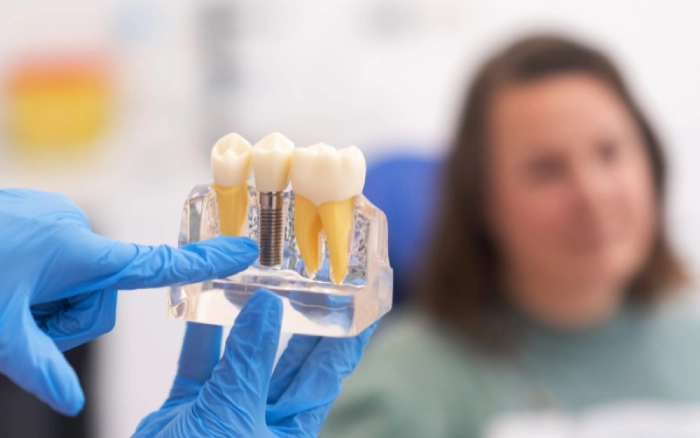
Dental implant surgery requires a stable and stress-free environment for proper healing. For patients with strong lower lip muscles, face challenges may arise with new dentures. Botox may be used to help with the transition to dental implants.
By relaxing the lip muscles, Botox treatments aim to reduce the pressure exerted on newly placed implants or dentures. This muscle relaxation aims to give the area time to heal without unwanted movement. Dentists can find this useful in specific cases, and the treatment protocol might involve:
- Initial assessment of muscle strength.
- Targeted injections before the procedure.
- Close monitoring during the healing phase.
This approach is designed to support the success of the implant process. It helps patients adapt more comfortably to their new prosthetics. Botox application is tailored to each person’s unique muscle structure and needs.
Schedule Botox for Dental Work
Botox has several applications in modern dental care, and it is used to address muscle-related issues from jaw clenching to lip asymmetries. Its ability to relax targeted muscles gives dentists another tool for patient care. If you are curious about how Botox might fit into your dental plan, the next step is to talk with a professional. Schedule an appointment with your dentist to discuss your options.