

The Role of Dental Implants in Restoring Your Smile
December 1, 2025
Lifestyle Changes and Treatments to Alleviate Neck Pain
December 1, 2025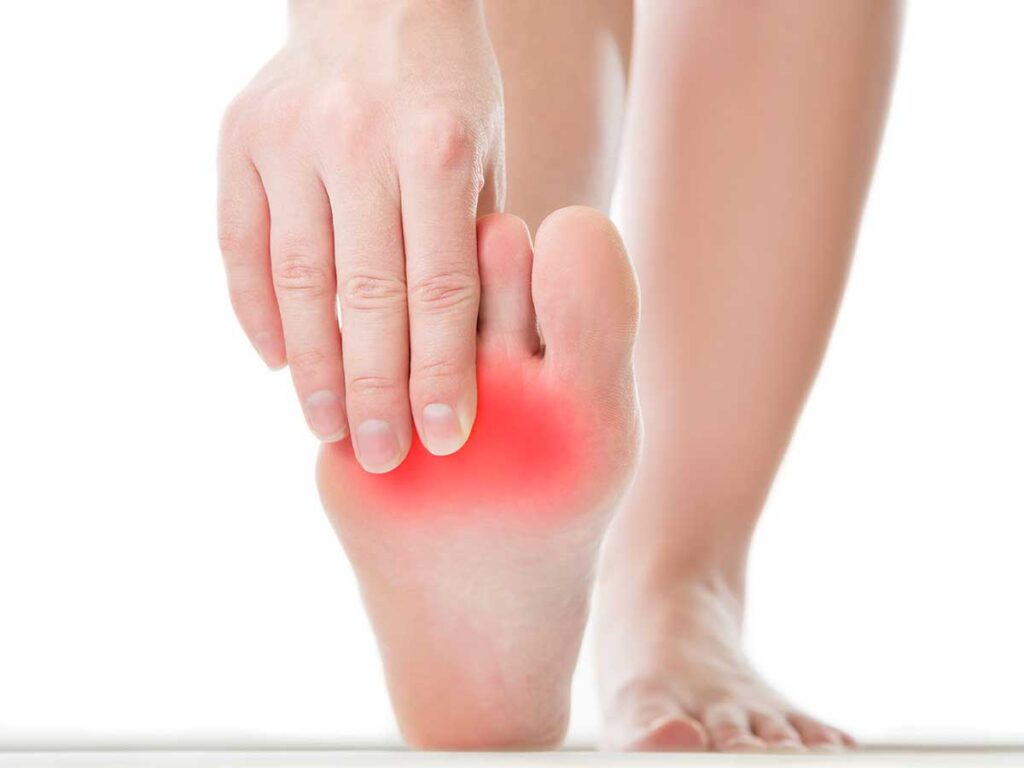
Neuropathy is a condition that affects the nerves, and it can occur in the hands and feet. This nerve dysfunction disrupts the communication between the brain and the body. When neuropathy affects the feet, it creates specific health challenges that make daily activities difficult. Here is more information about the connection between neuropathy and foot health:
Damaging Nerves
Neuropathy damages the peripheral nerves that extend from your spinal cord to your extremities, and this disrupts the normal signaling process. Nerves have a protective covering, and when it deteriorates, signal transmission becomes impaired. The body receives slow, distorted, or incorrect messages from the affected nerves.
High blood sugar is a typical cause of this nerve damage over time. Other factors, including injuries, infections, and vitamin deficiencies, also contribute to neuropathy. The delicate nerve fibers become frayed, and they lose their ability to function properly. This progressive damage explains why symptoms often start mildly before they worsen without treatment.
Leading to Numbness
Nerve damage can lead to a loss of sensation or numbness. Your feet might feel like they have fallen asleep. Because the nerves are unable to send proper signals to the brain, you may not feel temperature or touch accurately. This numbness starts subtly, so you don’t typically notice it at first.
Because of the loss of feeling, you might not sense a small pebble in your shoe. You could step on a sharp object and be unaware of the injury. This numbness makes it difficult to detect problems early, which allows minor issues to become more serious. It creates a barrier between your body and its ability to protect itself from harm.
Maintaining balance is also affected by numbness. Your feet constantly send information to your brain about your body’s position. When neuropathy disrupts these signals, your coordination suffers. This can make you feel unsteady on your feet, and it may increase your risk of falling, especially on uneven surfaces or in low light.
Causing Pain
While some people experience numbness, others feel pain from neuropathy. This pain may manifest as a burning, tingling, or shooting sensation. The damaged nerves send random, incorrect pain signals to the brain even when there is no injury. The pain can be constant, or it can come and go.
Neuropathic pain manifests in various ways, and these typically include:
- Sharp, electric-like jolts
- Deep, aching feeling
- Extreme sensitivity to touch
Due to persistent discomfort, it may become harder to wear shoes or have a sheet touch your feet at night. Managing this pain is a key part of living with neuropathy.
Leading to Unnoticed Injuries
The combination of numbness and poor circulation may create a dangerous situation. A small cut or blister on your foot can go completely unnoticed. Since you may not feel the injury, you might not clean it or protect it. The wound can become infected, which complicates healing. Proper foot care becomes a necessity.
Get Treated for Neuropathy
Neuropathy poses challenges to your foot health, from numbness and pain to an increased risk of injury. Ignoring these symptoms can lead to more serious complications. It is beneficial to address these changes in your feet with professional guidance. If you are experiencing signs of neuropathy, schedule an appointment with a foot specialist to discuss your symptoms and explore treatment options.