
What to Expect When Visiting a Cardiac Center for Evaluation
December 1, 2025Choosing the Right Dentist for Your Family’s Needs
December 2, 2025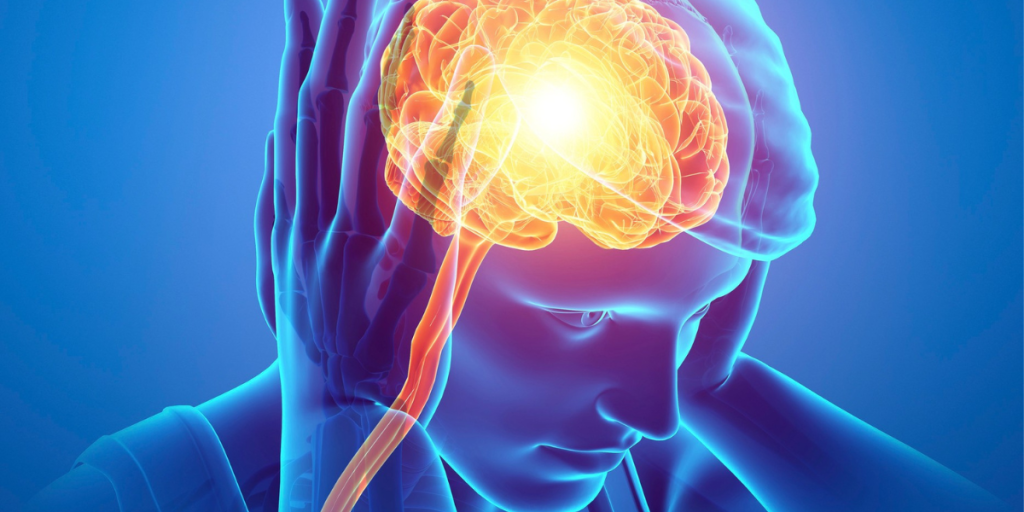
Managing a progressive neurological condition like Parkinson’s disease needs a thorough and flexible plan. New treatments are being developed all the time to help manage symptoms. These include advanced surgeries and easy-to-use digital tools, which add to the options available alongside traditional treatments. Learning about these new therapies is beneficial for individuals and families dealing with this condition.
Brain Stimulation
Deep Brain Stimulation (DBS) is an established procedure for managing certain symptoms of parkinson’s disease, and advancements continue to refine its application. This surgical option involves implanting electrodes into specific areas of the brain, which then deliver electrical impulses to help regulate abnormal brain activity. This process can be particularly effective for addressing motor symptoms such as tremors, stiffness, and slow movement, though it is not suitable for every individual.
Regenerative Treatments
Regenerative medicine is a significant area of investigation focused on the potential to repair or replace damaged cells. The goal is to address the underlying loss of dopamine-producing neurons that characterizes the disease. While much of this work remains in the experimental phase, it holds interest for its potential to alter the course of the condition. Current research efforts in regenerative treatments include:
- Stem Cell Therapy: Investigating the use of various types of stem cells to grow new dopamine neurons for transplantation.
- Gene Therapy: Exploring methods to deliver therapeutic genes directly to the brain to either protect existing neurons or encourage the production of dopamine.
- Growth Factors: Studying proteins that could support the survival and function of remaining dopamine-producing cells.
Digital Therapies
The integration of technology into healthcare has led to the development of digital therapies. These interventions use software, wearable sensors, and smartphone apps to assist patients. They help monitor symptoms and support management strategies.
Wearable Sensors
Wearable devices equipped with sensors can track motor symptoms like tremors and bradykinesia throughout the day. This provides objective data that can help clinicians make more informed adjustments to treatment plans. These devices offer a way to monitor fluctuations that might not be apparent during a brief clinical visit.
Mobile Applications
Specialized mobile apps are being developed to guide individuals through therapeutic exercises, from speech therapy to physical movements. Some apps also include features for medication reminders and symptom journaling, empowering individuals to take a more active role in their care management.
Physical Rehab
Physical rehabilitation is part of a patient’s care plan, and new approaches can enhance its effectiveness. Structured exercise programs are designed to improve mobility, balance, and overall physical function. Therapies like physiotherapy and occupational therapy are tailored to an individual’s specific needs, helping them maintain independence in daily activities. Techniques that focus on large, purposeful movements have shown particular benefit for improving gait and coordination. Consistent participation in a guided rehab program is a beneficial component of managing physical symptoms.
Explore New Parkinson’s Disease Solutions
The treatment for Parkinson’s disease is continuously expanding, with ongoing research providing new possibilities. From brain stimulation and regenerative science to digital tools and advanced physical rehab, these innovative therapies offer diverse strategies to manage symptoms. Staying informed about these developments is a part of navigating a long-term care plan for Parkinson’s disease. To learn more about available treatment options, consult with a specialist who can provide guidance tailored to your specific situation.