

How Dental Crowns Can Help Your Smile
December 2, 2025
Common Misconceptions About Urgent Care
December 2, 2025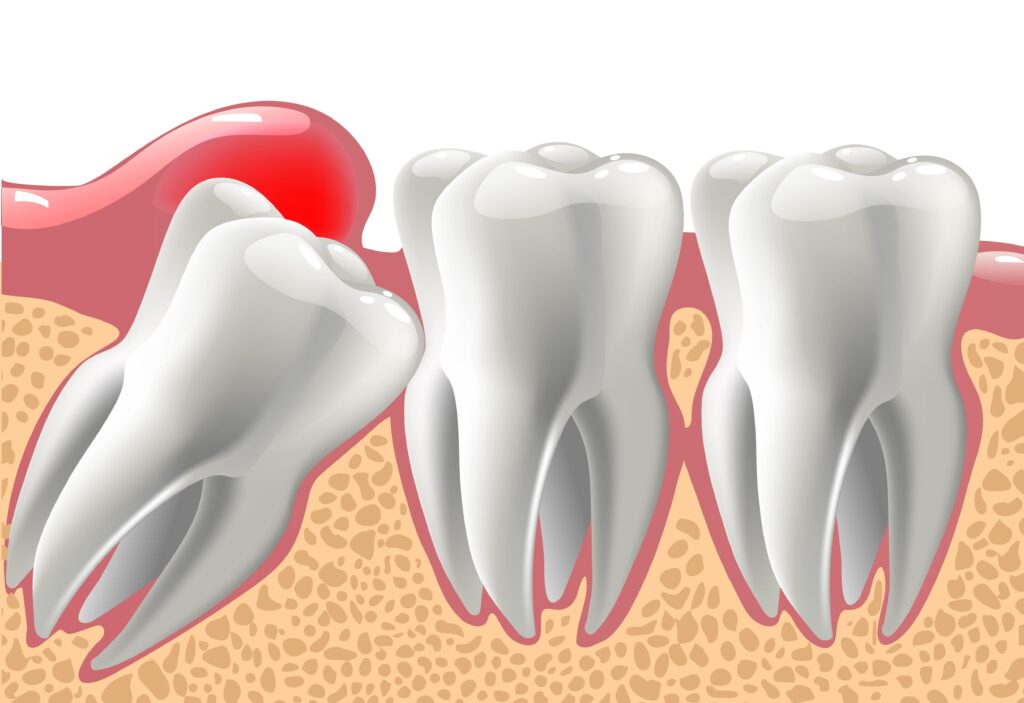
A dental extraction is the removal of a tooth from its socket in the bone, and it is needed for several different situations. While dentists prefer to save natural teeth whenever possible, an extraction is sometimes the best course of action to protect your overall oral health. Here are some reasons to get dental extractions and when they are necessary:
Advanced Decay
Advanced decay can compromise a tooth beyond repair. When a cavity progresses deep into the tooth, it may infect the pulp, which contains nerves and blood vessels. While a root canal procedure might save the tooth at this stage, the decay may be too extensive. The infection can weaken the tooth’s structure, making it unable to support a filling or crown.
Removing the tooth is a direct way to eliminate the source of infection. This action prevents the decay from spreading to other teeth or into the jawbone, where it could cause a more serious condition. After the tooth is removed, your dentist can discuss replacement options.
Fractured Teeth
A tooth may require removal if it has a severe fracture. Trauma from an accident or biting down on a hard object can cause a tooth to crack. While some fractures are minor and repairable, others extend below the gumline. A deep vertical fracture, for instance, often makes saving the tooth impossible because bacteria can enter the crack and cause infection. Reasons for extracting a fractured tooth include:
- The crack extends below the gumline.
- The tooth has split into multiple pieces.
- The fracture affects the root of the tooth.
Removing the damaged tooth prevents pain and infection from developing in the surrounding bone and gum tissue.
Crowded Teeth
In some cases, dentists recommend dental extractions to address crowded teeth. This is a standard step in orthodontic treatment when there is not enough space in the jaw for all the teeth to align properly. Overcrowding can make it difficult to clean your teeth effectively, which increases the risk of decay and gum disease.
When preparing for braces, an orthodontist might identify one or more teeth for removal to create the necessary room. The extractions allow the remaining teeth to be moved into their correct positions, resulting in a healthier and more functional bite. This process is carefully planned to achieve the best alignment.
The decision for this type of extraction is part of a comprehensive treatment plan developed by your dental team. While maintaining your smile’s appearance, they can determine which teeth to remove to achieve the desired outcome. Dentists also remove wisdom teeth for the same reason.
Advanced Gum Disease
Advanced gum disease, or periodontitis, is a significant cause of tooth loss. This condition occurs when an infection damages the soft tissue and destroys the bone that supports your teeth. As the bone deteriorates, teeth may become loose. If significant bone loss has occurred, the tooth may not have enough support to remain stable in the jaw.
Schedule Dental Extractions Today
Several conditions, from advanced decay to severe gum disease, can necessitate a dental extraction to maintain oral health. These interventions aim to remove a source of pain or infection and prevent more complex issues from arising. If you are experiencing dental discomfort, it is helpful to understand the reasons. Contact a dentist to schedule an appointment to discuss your needs.