

Common Misconceptions About Urgent Care
December 2, 2025
Knee Replacement: What Patients Should Know Before Surgery
December 2, 2025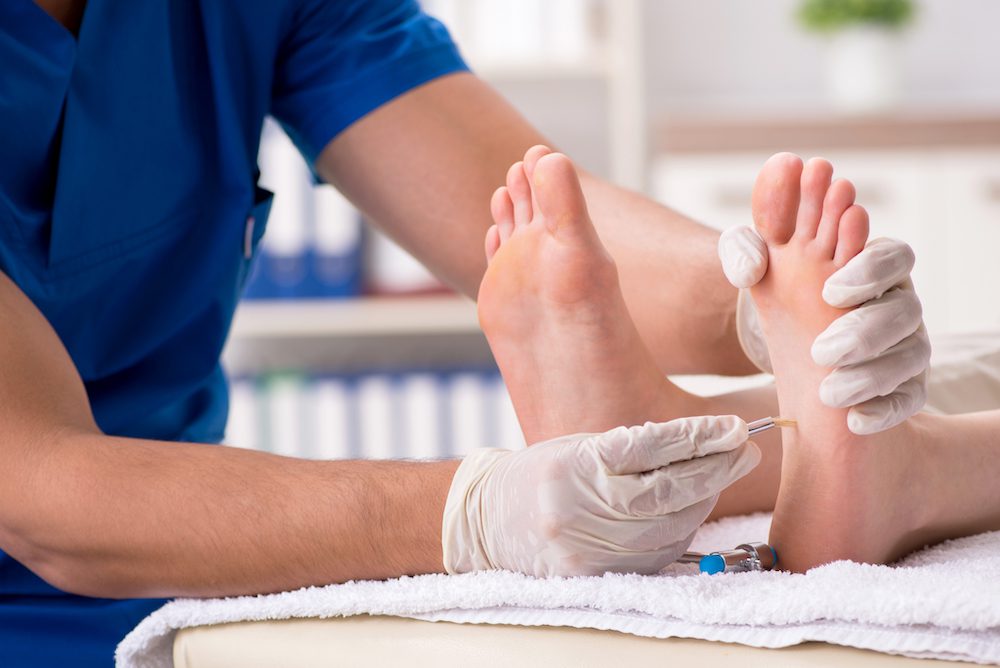
Podiatric medicine focuses on the diagnosis and medical treatment of foot disorders, while preventive care aims to stop these issues before they develop. Understanding the relationship between these two fields provides patients with a comprehensive approach to mobility. Here is more information on how medical intervention and daily habits work together to maintain and improve foot function:
What Is Podiatric Medicine?
Podiatric medicine is a branch of healthcare devoted to the study, diagnosis, and medical treatment of disorders of the foot, ankle, and lower extremity. The scope of this field includes the management of chronic diseases such as diabetes and arthritis. These systemic conditions often manifest symptoms in the feet, so podiatrists play a role in early detection and ongoing management. They use diagnostic tools such as X-rays and MRI scans to create accurate treatment plans for their patients.
Podiatric medicine also encompasses sports medicine and the treatment of injuries sustained during physical activity. Athletes may require specialized care to recover from sprains or tendonitis, and a podiatrist provides rehabilitation strategies to restore full function. This medical focus makes sure that acute injuries do not develop into chronic weaknesses over time.
What Is Preventive Foot Care?
Preventive foot care refers to a regimen of daily habits and proactive measures designed to maintain skin and joint health. This approach focuses on hygiene, appropriate footwear choices, and regular self-examinations to identify potential problems early. By adhering to a consistent routine, individuals reduce the risk of developing infections, and they maintain structural integrity.
This form of care emphasizes selecting shoes that provide adequate arch support and cushioning. Wearing ill-fitting footwear contributes to corns, calluses, and bunions, so proper sizing is a primary preventive strategy. Keeping feet clean and dry prevents fungal infections, which thrive in damp environments.
For individuals with compromised circulation or neuropathy, preventive care requires strict observation of the skin. Patients benefit from inspecting their feet daily for cuts or pressure sores, as they may not feel pain associated with injury. Immediate attention to minor abrasions helps prevent serious complications such as ulcers or infections.
How Are They Connected?
The connection between podiatric medicine and preventive care lies in their shared goal of preserving mobility and reducing pain. Podiatrists prescribe preventive strategies based on a patient’s specific medical history, and this informs the daily habits a patient should adopt. Preventive care often requires clinical guidance to be effective for high-risk patients, such as those with neuropathy. Podiatric intervention may become necessary when preventive measures are insufficient or applied incorrectly.
What Do They Involve?
Clinical podiatry encompasses a variety of treatments, including physical therapy, medication management, and surgical intervention. A podiatrist evaluates gait patterns to identify irregularities, and they may prescribe corrective devices to align the foot structure. These medical interventions address existing pathology while simultaneously mitigating future complications.
On the preventive side, daily routines involve specific hygiene practices and distinct behavioral changes to defend against common foot ailments. Preventive habits include:
- Wearing moisture-wicking socks during exercise
- Rotating shoes to allow them to air out between uses
- Stretching the calves and Achilles tendon daily
- Avoiding walking barefoot in public areas like locker rooms
Consult a Podiatrist Today
Combining professional medical oversight with consistent home care helps improve lifelong foot health. Patients who schedule regular check-ups address issues before they limit mobility, and this proactive approach facilitates healthy feet. Contact a local clinic to schedule a comprehensive foot evaluation.