

The Connection Between Podiatric Medicine and Preventive Foot Care
December 2, 2025
The Role of Ultrasound in Monitoring Fetal Development
December 2, 2025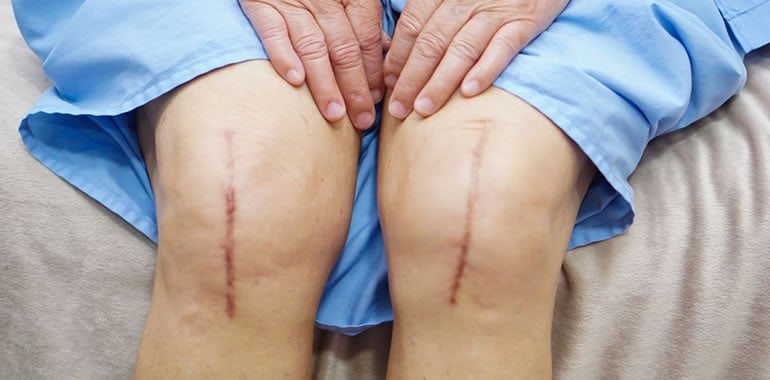
Knee replacement surgery is a procedure for individuals experiencing significant knee pain and mobility issues. Understanding the procedure can help you prepare for the process and subsequent recovery period. Here is more information on knee replacement surgery, including what it is and why it is performed:
What Is Knee Replacement?
Knee replacement is a surgical procedure to resurface a knee damaged by arthritis or injury. The surgeon removes damaged cartilage and bone from the kneecap, shinbone, and thighbone, replacing them with an artificial joint. Minimally invasive techniques involve smaller incisions and specialized instruments, and this approach can lead to less tissue damage and a quicker recovery time for the patient.
Why Is It Conducted?
A primary reason for performing a knee replacement is to relieve severe pain caused by osteoarthritis, although it can also address other conditions like rheumatoid arthritis and post-traumatic arthritis. These conditions degrade the knee joint’s cartilage, causing bone to rub against bone and resulting in pain and stiffness. When non-surgical treatments such as medication and physical therapy fail to provide adequate relief, surgery becomes a viable option.
This procedure aims to improve the knee’s function, allowing for greater mobility and a return to daily activities. Patients may find it difficult to walk, climb stairs, or even get in and out of chairs before surgery. Knee replacement helps to correct knee deformities and restore a more active lifestyle, which can improve overall quality of life.
What Does the Process Involve?
The surgical process begins with an evaluation by an orthopedic surgeon, who will review your medical history and conduct a physical examination. During surgery, the surgeon makes an incision to access the knee joint. The damaged surfaces of the knee joint are then removed and prepared for the artificial components. The surgeon fits the prosthetic parts to the bone, securing them in place to create a new, functional joint.
Your recovery will start shortly after the surgery, often involving physical therapy. A therapist will guide you through exercises designed to restore movement and strength to your knee, and this rehabilitation is a valuable part of the process. Following the prescribed physical therapy plan helps you achieve the desired outcome from your surgery.
What Are the Benefits?
A significant benefit of this surgery is substantial pain relief, which enhances a patient’s quality of life. Some individuals experience a reduction in the chronic pain that limited their daily activities, allowing them to return to walking, swimming, and other low-impact activities. Another key benefit is improved mobility and function, as the new joint allows for a smoother range of motion. Patients often regain the ability to perform tasks that were once difficult, such as climbing stairs or getting out of a chair.
Know What To Expect
Knee replacement surgery is a procedure designed to alleviate knee pain and restore function. It involves replacing a damaged knee joint with an artificial one, offering relief when other treatments are no longer effective. Understanding the process, from the initial consultation to the recovery period, helps you prepare for the process.
If you are experiencing persistent knee pain, discuss your options with a medical professional. They can perform a thorough evaluation and help determine whether a knee replacement or a minimally invasive treatment, such as Genicular Artery Embolization, is the right choice for you. Understanding how each option works and its benefits can help you make a confident, informed decision about your health.