
Dealing With the Physical Aspects of Living with Arthritis
December 3, 2025
Choosing the Right Dentist for Your Family’s Needs
December 3, 2025
Veneers are thin coverings placed on the front surfaces of teeth to improve color, shape, and uniformity. Dentists may recommend them when surface stains or chips affect a tooth’s appearance. These restorations use materials that match natural enamel, creating a consistent, polished look. Here is more information about veneers and what they do:
Cosmetic Purpose
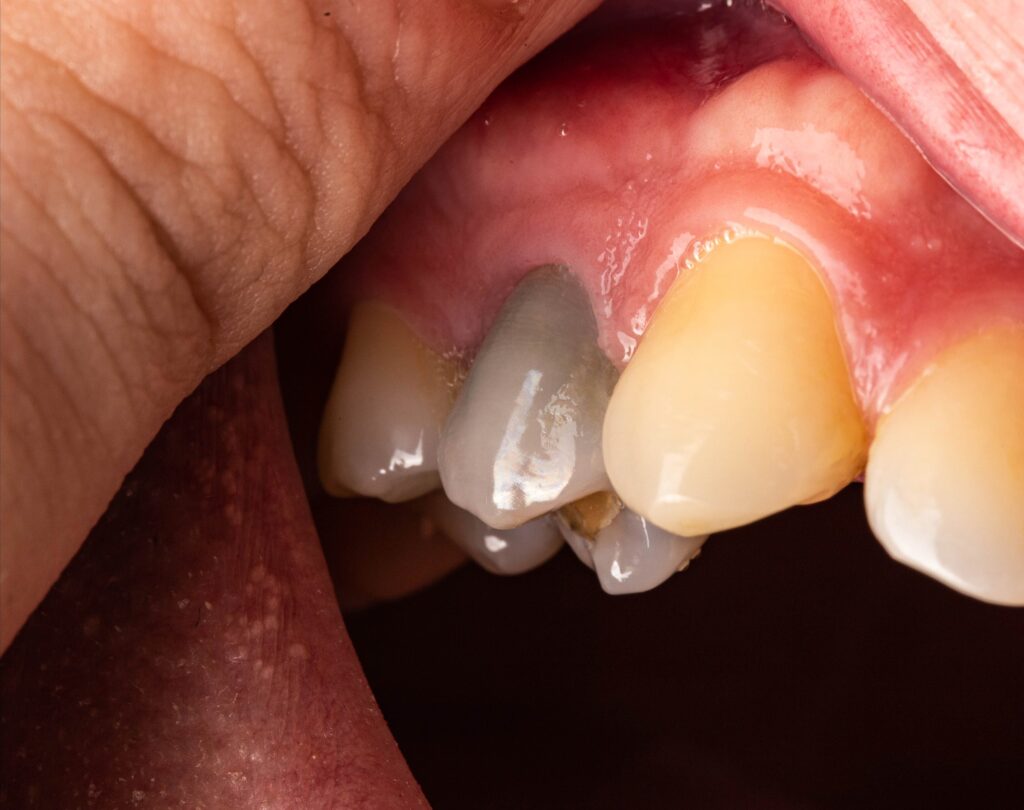
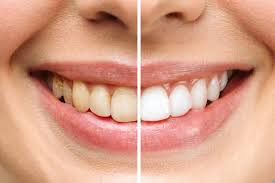
Veneers cosmetically alter a tooth’s visible surface without affecting its internal structure. They enhance the look of teeth that have staining, minor cracks, or slight irregularities in shape. By covering the front surfaces, veneers create uniform color and contour across the smile. Covering the teeth allows the dentist to refine appearance-related details through shading and shape adjustments.
While veneers improve aesthetics, they do not correct bite alignment or repair deep structural concerns. They serve as a surface-level enhancement for healthy teeth. They also help mask deep discoloration that may not respond to whitening treatments. When used appropriately, they can visibly improve the appearance of teeth.
Types of Materials
Porcelain veneers are crafted from ceramic materials that mimic the translucency and surface qualities of natural enamel. Porcelain resists stains and maintains its color over time. Because porcelain is shaped in a dental laboratory, it allows for detailed customization of shade and contour, helping the dentist match the restoration to neighboring teeth with high precision.
Composite veneers are formed from resin materials and may be fabricated off-site or applied directly to the tooth. In a direct application, the dentist shapes the veneers on the teeth during the appointment to achieve the desired appearance. In an indirect application, the dentist bonds the custom-made veneers to the teeth. Composite materials may require more maintenance over time, but offer a natural look when polished and contoured correctly.
Treatment Process
A veneer treatment begins with an evaluation that identifies the teeth to be treated and the changes to be made. The dentist reviews enamel health, shade goals, and tooth shape to determine how the veneers will fit into the smile. After planning, the dentist prepares the tooth surface by removing a thin layer of enamel to create space for the restoration. The dentist then records impressions or digital scans that guide the creation of the custom veneer.
Once the veneers are ready, the dentist checks their shape and color before bonding them to the teeth. The bonding process secures each veneer in place and aligns it with the overall treatment plan. After placement, the dentist may make minor adjustments to refine the fit or contour. Follow-up visits help confirm that the veneers function comfortably and blend smoothly with nearby teeth.
To maintain the durability and appearance of the restorations, perform regular oral hygiene at home and attend regular dental cleanings. Brushing and flossing at home along with regular visits to the dentist keep the surfaces looking polished. Avoiding excessive biting pressure, such as chewing hard objects, reduces the risk of damage.
Learn More About Veneers
Veneers improve the color, shape, and uniformity of teeth and are available in porcelain or composite materials to address a range of cosmetic needs. The treatment process may include multiple appointments, from evaluation to bonding. For more information about veneers and which types are available to you, consult your dental provider.