
Understanding the Role of Tirzepatide in Weight Management
December 16, 2025The Impact of Chronic Back Pain on Daily Life
December 17, 2025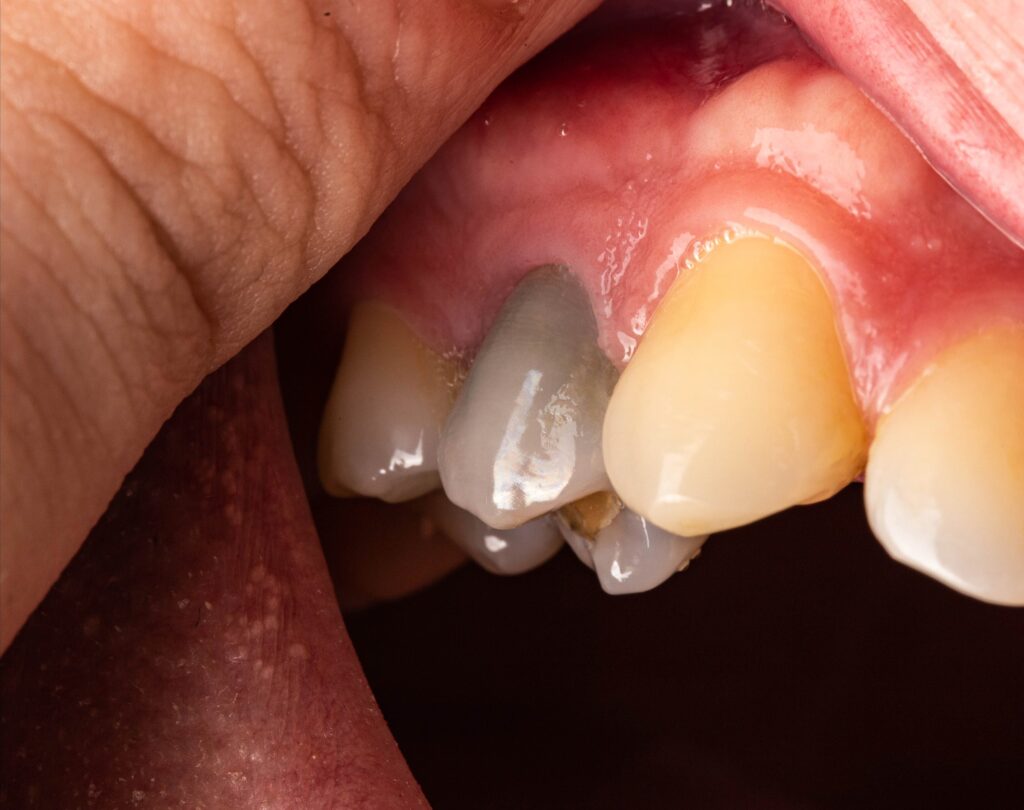
Endodontic treatment is a standard dental procedure, and it treats inflammation or infection within the pulp of a tooth. Understanding the biological basis of the procedure clarifies its role in preserving oral health. Here is more information on root canals, what the process involves, and the myths surrounding treatment:
What Are Root Canals?
The term “root canal” refers to the natural cavity within the center of the tooth, and it consists of the pulp chamber and the canals that travel through the roots to the surrounding bone. The pulp is soft tissue that contains blood vessels, nerves, and connective tissue. Root canals remove this tissue when it becomes inflamed or infected due to deep decay or trauma. The space is then carefully cleaned and shaped to receive a filling material.
Why Are They Performed?
Indications for this therapy include severe sensitivity to heat or cold, tenderness to touch, and tooth discoloration. Deep decay or a crack in the tooth allows bacteria to penetrate the pulp chamber, causing irreversible damage. If the infected pulp is not removed, pain and swelling can result, and the tooth may eventually require extraction. Trauma and injuries to the tooth also indicate the potential need for the procedure.
What Does the Process Involve?
A dentist first administers local anesthesia to numb the tooth and the surrounding gums. An opening is made in the crown of the tooth to access the pulp chamber, and small instruments are used to remove the pulp from the pulp chamber and root canals. A dentist shapes the space for filling and irrigates the canals to remove debris and disinfect the area.
The canals are filled with a biocompatible material, usually a rubber-like material called gutta-percha. The gutta-percha is placed with an adhesive cement to completely seal the canals. A temporary filling is placed to close the opening, and a permanent crown is usually required later to restore full function.
What Are the Benefits?
Saving the natural tooth via a root canal allows for efficient chewing and normal biting force. The treated tooth functions exactly like any other tooth, and it requires no special care beyond standard oral hygiene. Extraction of a tooth can lead to shifting of surrounding teeth, but a root canal prevents these orthodontic complications.
What Are the Debunked Myths?
One myth is that root canal treatment causes pain, but modern anesthesia makes the procedure manageable. The pain associated with the condition comes from the infection itself, and treatment alleviates this discomfort. Another myth is that a root canal causes illness in the body, which it doesn’t.
Some patients may believe that extraction is a better alternative, but replacing a lost tooth often involves more complex procedures. Preserving the natural tooth structure maintains the integrity of the dental arch. Another misconception is that the treatment’s benefits are temporary. A treated tooth can last a lifetime with proper care, including regular checkups to monitor it.
Learn More From a Dentist
Consult a dental professional to evaluate the condition of a tooth that exhibits symptoms of infection. They will perform a clinical examination and review images to determine if endodontic therapy is the appropriate course of action. Schedule an appointment today to discuss treatment options and preserve your oral health.