

Educating Yourself About the Benefits of Colonoscopies
October 22, 2025
5 Symptoms of Breast Cancer and When to See a Doctor
October 22, 2025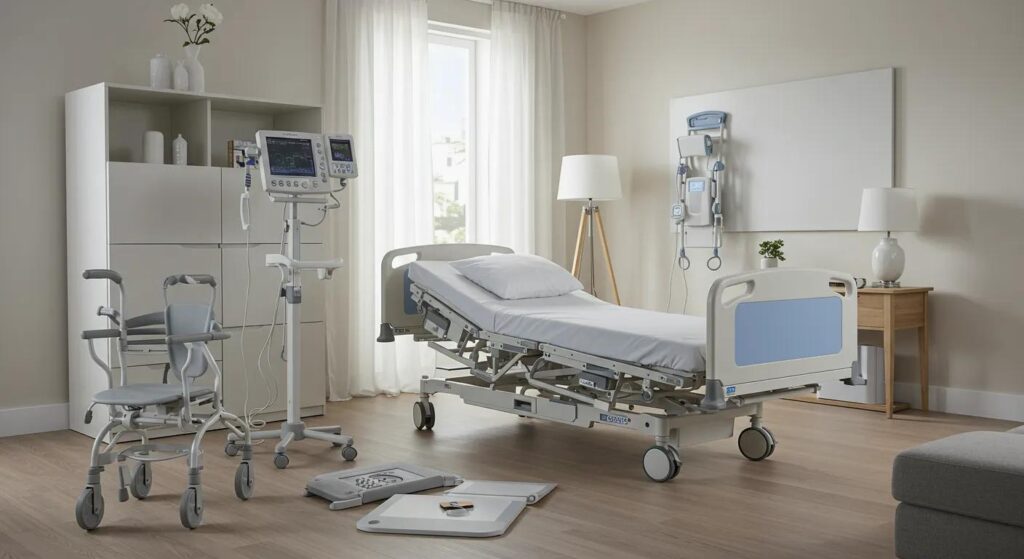
Wound care involves a set of practices designed to support the body’s natural healing process by protecting an injury from further harm and maintaining a clean environment. Proper management of a wound is key for minimizing complications and promoting recovery. Here’s more information on preparing a suitable space for care and following consistent hygiene protocols to maintain cleanliness:
Treating Different Kinds of Wounds
Different wounds need specific types of wound care approaches. Venous wounds, often located on the lower legs, are associated with issues in the circulatory system, and managing them typically involves addressing the underlying venous insufficiency. Venus wounds can have accompanying symptoms, like:
- Itching
- Aching
- Swelling
Traumatic wounds result from external forces like cuts, abrasions, or punctures, and their severity can vary depending on the depth and location of the injury. Initial care often focuses on controlling bleeding and assessing the extent of tissue damage. Arterial wounds occur when arteries cannot deliver enough oxygen-rich blood to tissues, and these wounds require specialized attention due to their connection with arterial disease.
Preparing a Safe, Sterile Environment
Whether care occurs in a medical clinic or at home, a clean and controlled environment is fundamental. In a clinical setting, healthcare professionals use dedicated procedure rooms with sterile equipment and supplies. For at-home care, a similar standard of cleanliness is necessary to reduce the risk of contamination. This begins with selecting a well-lit area with a hard, non-porous surface that can be easily disinfected before and after use. Proper hand hygiene is a key step, so individuals should wash their hands thoroughly with soap and water.
Keeping Wounds Clean
Maintaining a clean environment extends beyond the initial dressing change. Consistent practices help protect the wound as it heals, and these habits affect ongoing care. The objective is to prevent contaminants from interfering with the healing process.
Some steps to follow for at-home wound cleaning are:
- Wash hands thoroughly before and after any contact with the wound or dressing materials.
- Use clean, dedicated supplies for each dressing change to avoid cross-contamination.
- Keep the wound dressing dry and intact between changes, unless instructed otherwise by a healthcare provider.
- Store all wound care supplies in a clean, dry location away from potential contaminants.
- Dispose of used dressing materials promptly and properly in a sealed bag.
In a medical setting, a wound care specialist assesses the wound’s condition to determine the appropriate cleaning method and dressing type. The specialist gently cleanse the wound while avoiding any harsh scrubbing that could damage the healing tissue. They work in a controlled, sterile environment and wear appropriate personal protective equipment, including gloves, to maintain hygiene. Wound specialists educate patients on proper wound care at home. This includes maintaining a clean dressing, identifying signs of infection, and adhering to follow-up appointments to monitor healing progress.
Learn More About Wound Care
The principles of wound care are centered on creating an optimal environment for healing. By understanding the type of wound and following cleanliness standards, individuals can support the body’s recovery process. For specific guidance or concerns about a particular wound, consult a wound specialist for personalized care and advice.


