
Understanding the Connection for Future Parents in Surrogacy
October 23, 2025
The Role of PRP in Accelerating Healing and Recovery
October 23, 2025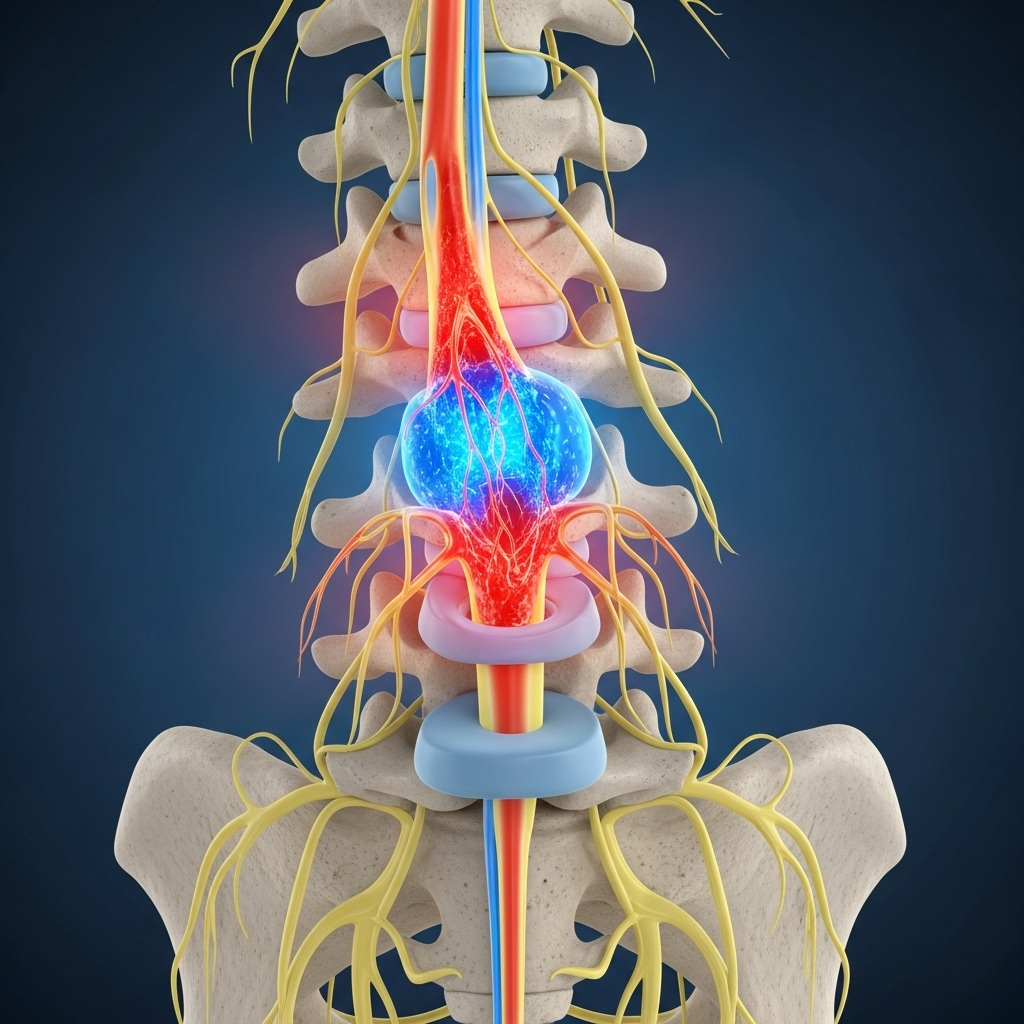
A brain surgeon, also known as a neurosurgeon, is a highly trained medical specialist who surgically treats conditions that impact the central and peripheral nervous systems. This includes the brain, spinal cord, and nerves throughout the body. While the term “brain surgeon” is often used, these professionals have a comprehensive understanding of the whole nervous system and are equipped to address a range of neurological issues. Here are some differences between brain and spine surgeries:
Primary Focus
Brain and spine surgeries represent distinct subspecialties within neurosurgery, each emphasizing specific regions of the nervous system. A brain surgeon primarily focuses on the cranial cavity and everything it contains. Procedures in this realm require surgeons to navigate delicate and intricate areas of the brain. This includes those responsible for speech, memory, vision, and movement. This work often requires advanced imaging and monitoring technologies to map vital brain functions and plan safe routes for intervention.
Spine surgery concentrates on the vertebral column and its surrounding structures. The spine provides support for the body and encases the spinal cord, an extension of the brain that transmits signals throughout the body. Operations here often involve the vertebrae, intervertebral discs, spinal nerves, and the spinal cord itself. The focus may be on relieving pain or stabilizing the spine.
Conditions Treated
Neurosurgeons address a broad array of diagnoses, but the conditions that prompt brain or spine surgeries differ significantly. Brain surgery is performed for disorders such as:
- Brain tumors: These might be benign or malignant, and can disrupt normal brain function depending on their size and location.
- Aneurysms: These are weakened blood vessels at risk of bleeding.
- Arterio-venous malformations: AVMs are abnormal connections between arteries that cause high blood pressure and are at risk of rupture.
In the spine, the focus shifts to structural and compressive disorders. Degenerative processes, such as degenerative disc disease or osteoarthritis, often cause neck or back pain. Herniated discs, where the cushioning material between vertebrae presses on nerves, frequently result in limb pain or weakness. Spinal stenosis, a narrowing of the spinal canal, can compress the spinal cord or nerve roots, causing pain and mobility changes. The primary goals typically involve restoring function, reducing pain, and preventing neurological decline.
Surgical Procedures
Procedures involving the brain or spine make use of different techniques, technologies, and planning. Brain surgery might involve a craniotomy; this is the removal of a piece of skull to access the brain for tumor removal, clot evacuation, or aneurysm clipping. Technologies like neuronavigation and intraoperative MRI help surgeons visualize the brain and avoid damaging areas key for speech or movement. Less invasive approaches, such as endoscopic surgery, may also be used to reach targeted structures.
Spinal surgeries are also varied and designed to address specific problems. A laminectomy removes a segment of vertebral bone to relieve spinal cord or nerve root compression. Spinal fusion involves joining multiple vertebrae with bone grafts or metal implants to provide stabilization after trauma. Surgeons also perform discectomies to remove herniated or damaged disc tissue.
Work With a Brain Surgeon
A neurosurgeon’s training enables them to diagnose and treat complex conditions, combining scientific precision with thoughtful care. By understanding the distinctions between brain and spine surgeries, you become better equipped to ask questions and participate in your healthcare decisions. If you are managing a neurological diagnosis, a neurosurgeon offers access to specialized advice based on the latest evidence. Schedule a consultation today to learn more about your surgical options.