

How To Choose the Right Dermatologist for Your Skin Needs
December 3, 2025
The Link Between Hip Pain and Arthritis
December 3, 2025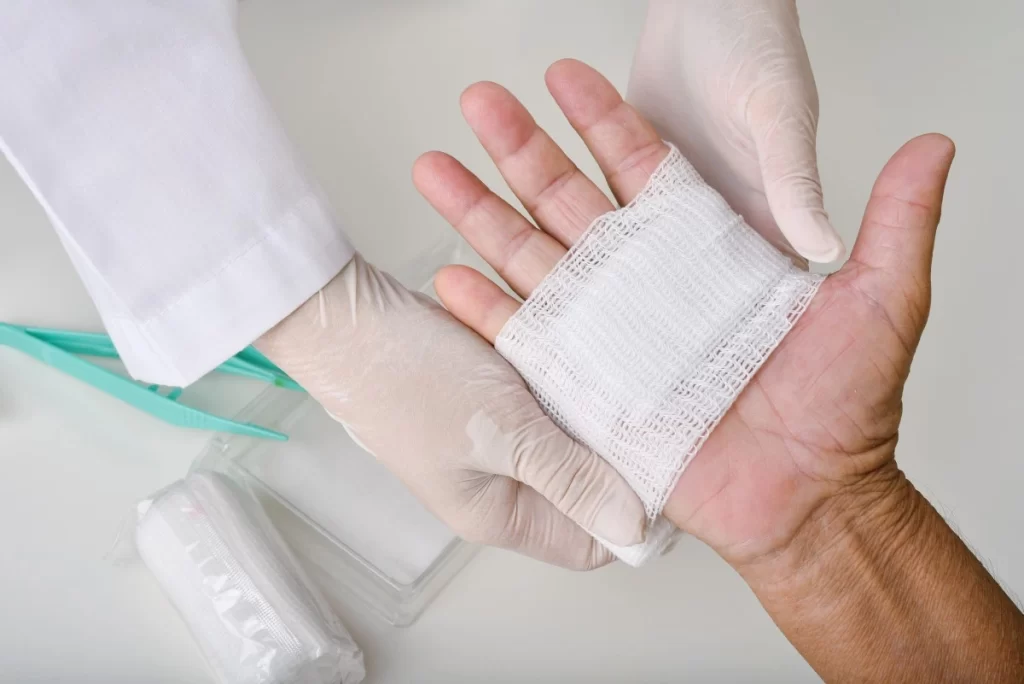
Proper wound care is fundamental to healing and preventing infection. Managing a wound correctly from the start can significantly impact the recovery timeline. Many people feel uncertain about the proper steps to take when an injury occurs, but understanding how to clean, dress, and monitor wounds will help support the body’s natural healing process.
How Should Wounds Be Cleaned?
The first step in wound care is to clean it properly. This helps remove any dirt or bacteria that could lead to an infection. Follow these simple steps right after an injury occurs to make sure the area is clean.
- Rinse the wound: Hold the area under cool, clean running water. This will help wash away initial dirt and debris.
- Wash around the wound: Use mild soap and water to clean the skin surrounding the injury gently. Try to avoid getting soap directly into the wound, as it can cause irritation.
- Pat the area dry: Use a clean cloth or sterile gauze to gently pat the wound and surrounding skin dry.
Avoid using harsh cleaners such as hydrogen peroxide or rubbing alcohol; they may harm tissue and slow healing. For most minor cuts, clean water or a sterile saline solution is all you need. If you notice any debris stuck in the wound after cleaning, it’s best to see a healthcare professional instead of trying to remove it yourself.
Which Dressings Work Best?
Choosing the proper covering for a wound depends on its size, location, and drainage level. A good dressing protects the area from further injury and keeps it moist, which aids healing. Leaving a wound open to the air can dry it out and slow down the repair process.
Different types of dressings serve specific purposes:
- Gauze: This versatile option works well for wounds that need frequent cleaning or have moderate drainage. It allows the wound to breathe while providing a protective barrier.
- Hydrocolloids: These moisture-retentive dressings create a gel-like environment over the wound. They work best for burns or pressure ulcers and can stay in place for several days.
- Transparent Films: These thin, flexible coverings allow you to see the wound without removing the dressing. They offer protection against water and bacteria while letting oxygen reach the skin.
- Foam Dressings: Highly absorbent, foam dressings manage wounds with significant drainage. They provide cushioning and maintain a moist environment without sticking to the wound bed.
Select a dressing that matches the wound’s needs. Change the covering if it becomes wet or dirty to maintain a clean environment. A moist wound heals faster than a dry one, so keeping the area covered is beneficial.
How Often to Inspect?
Regular inspection helps track the healing progress and spot potential issues early. Check the wound every time you change the dressing. Look for signs of redness, swelling, or increased warmth around the area. These symptoms might indicate that the wound needs more attention.
Note any changes in the color or amount of drainage. Transparent or slightly yellow fluid is often normal, but thick or cloudy discharge could be a warning sign. If the wound develops an unpleasant odor, this also warrants a closer look. Keeping a simple log of these observations can be helpful.
Pay attention to pain levels as well. While some discomfort is expected, increasing pain might signal a problem. Trust your instincts if something does not look or feel right. Prompt action can prevent minor issues from becoming major setbacks.
Consult a Wound Care Specialist
If a wound does not show signs of improvement after a few weeks, it’s time to seek professional advice from a wound care specialist. They have the expertise to assess injuries, recommend advanced treatments, and manage complex wounds that don’t respond to standard methods. Early intervention can make a significant difference in your recovery, so reach out if you have any concerns.