
FAQs About Weight Loss Surgery
December 1, 2025
The Role of Dental Implants in Restoring Your Smile
December 1, 2025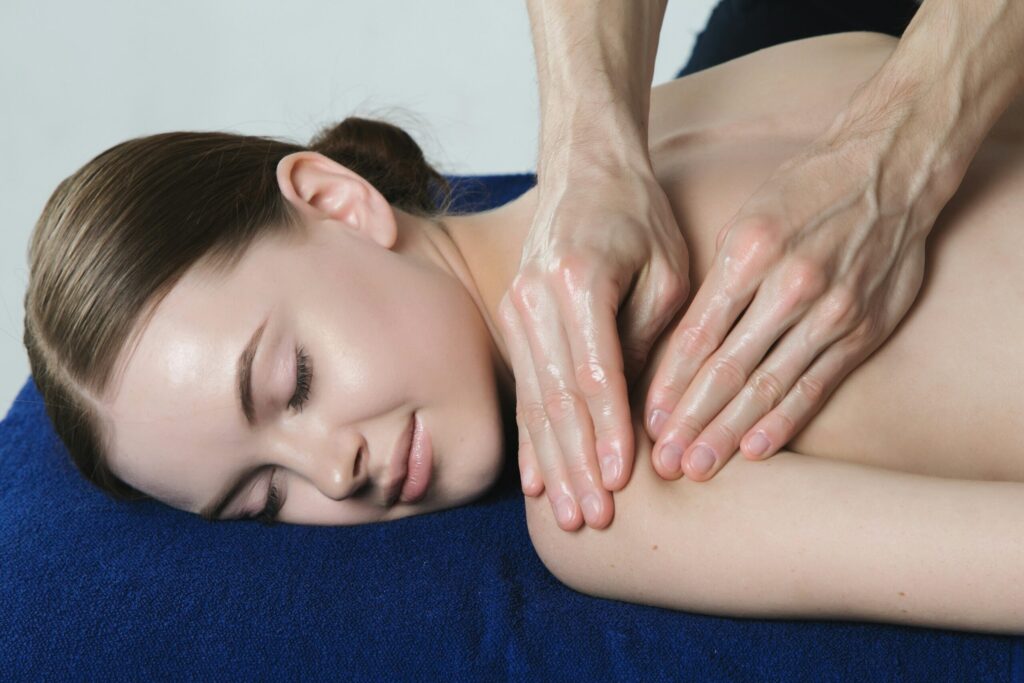
Massage therapy involves manipulating the body’s soft tissues, and practitioners use varying degrees of pressure and movement. While people seek massage for many reasons, one standard application is its integration into athletic and fitness routines. This practice targets muscles, tendons, and ligaments to address physical discomfort after exertion. Here is more information about massage therapy and muscle recovery:
Improving Flexibility
While regular physical activity may lead to muscle and joint stiffness, massage techniques target these specific areas. Applying pressure to muscle fibers may help lengthen them, thereby improving the range of motion. Improved flexibility supports daily movements and athletic performance, so your body moves more freely.
Certain massage methods focus on the connective tissue surrounding the muscles. This tissue can become tight and restrictive. With a goal to release tension, a myofascial release applies sustained pressure to these areas. Addressing these restrictions may contribute to enhanced mobility over time.
Reducing Muscle Tension
While soreness and tension are typical sensations after a workout, massage addresses this discomfort by working directly on the affected muscles. The physical manipulation of the muscle tissue may help to break up knots, also known as adhesions. These are bands of painful, rigid tissue, and they can form in muscles.
Muscle tension can also result from prolonged postures or repetitive movements. A targeted massage helps to alleviate this built-up tightness. Someone who sits at a desk can experience neck and shoulder tension. A therapist can focus on these specific muscle groups. To reduce tightness, the direct pressure encourages the muscle fibers to relax. Your muscles typically feel less tense, and you could notice a difference in your posture.
Massage may also interrupt the body’s pain signals. When a specialist applies pressure, it can stimulate competing nerve fibers. This process may temporarily override the sensation of pain. Different massage types offer various levels of intensity, and clinics offer:
- Swedish massage
- Deep tissue massage
Increasing Blood Flow
Massage therapy aims to increase circulation in the areas being worked on. The pressure applied during a session physically pushes blood through congested areas. The release of this pressure is designed to allow new blood to flow in. This action supports the exchange of metabolic waste for oxygen and nutrients within the muscle tissue. This enhanced circulation is beneficial for muscle repair.
Promoting Relaxation
A massage session provides a quiet environment away from daily stressors. The physical act of massage may have a calming effect on the nervous system. As the therapist works on your muscles, your body often begins to unwind. This relaxation response is a key aspect of the massage experience, and it may include:
- Calm atmosphere
- Rhythmic pressure
This state of relaxation extends beyond the muscles. It provides a mental break, enabling a calm approach to pain relief.
Schedule Massage Therapy Today
Integrating massage into your wellness routine may assist with muscle recovery. The techniques aim to improve flexibility, reduce tension, and increase blood flow. If you are looking for a way to support your body after physical activity, massage offers a practical approach. Take the next step in your recovery process and book your massage therapy appointment with a medical provider today.