Latest Research on Neurological Disorders and Treatment Options
December 30, 2025
Recovery and Rehabilitation After Kyphoplasty
December 30, 2025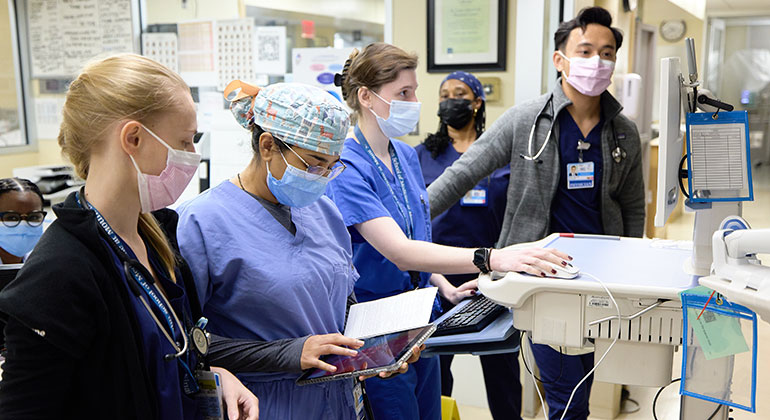
Neurocritical care focuses on patients with life-threatening neurological conditions, and these may result from events such as a stroke, brain hemorrhage, or severe traumatic brain injury. A neurocritical care unit, or NCCU, provides a dedicated environment for these individuals. They receive intensive management and observation from a specialized team. When you need care, here is how NCCUs enhance patient monitoring and safety:
Combined Monitoring
A range of monitoring tools is used together to get a complete picture of a patient’s health. While each device provides specific data, combining them offers a more detailed view of brain function. This collected information helps the medical team track subtle changes, and this helps guide treatment. These combined methods provide a continuous stream of data for the care team to review.
Advanced Imaging
Advanced imaging techniques are a key component of care in the NCCU. These technologies provide detailed images of the brain, and they can show the nervous system. To do this, these technologies help the team visualize the extent of an injury.
A computed tomography (CT) scan produces cross-sectional images of the brain, while magnetic resonance imaging (MRI) offers a more detailed view. An MRI can show soft tissues. The information from these scans supports the ongoing assessment of the patient’s condition, and they provide multiple imaging methods.
The use of portable imaging equipment also typically allows bedside assessments. This reduces the need to transport the patient, which might pose risks. Imaging is repeated as needed to track changes in the brain. This allows the care team to adjust their approach based on the most current information available about the patient’s neurological state.
Integrated Collaborating
A collaborative approach is central to the function of a neurocritical care unit. Many specialists work together, and this coordination helps manage different aspects of a patient’s condition. While radiologists interpret brain scans, rehabilitation specialists assist with early mobility.
The team regularly discusses patient progress, and they can share insights from their respective fields. This communication supports the creation of a unified care plan. When needed, this plan can be adjusted as the patient’s needs evolve during their stay in the unit. The group effort is focused on addressing the multifaceted challenges of neurological illness.
This integrated team includes various professionals who contribute to patient care.
- Neurologists
- Neurosurgeons
- Nurses
- Pharmacists
- Therapists
Constant Caring
In some cases, patients in a neurocritical care unit receive around-the-clock observation. Nurses with specialized training in neurology may be present. They are skilled at recognizing subtle neurological changes that may indicate a shift in the patient’s condition. This continuous presence aims to provide a high level of patient supervision.
Because they are constantly at the bedside, these nurses can typically respond quickly to any changes. They perform neurological exams, and they manage complex monitoring equipment. This constant attention is a key feature of the neurocritical care environment.
Schedule Neurocritical Care Today
These units use specialized monitoring, imaging, and a team-based approach for patients with serious neurological conditions. This model of care is structured to provide continuous observation and management. If you or a loved one needs this type of specialized attention, specialists can provide information and support. Contact a clinic today to learn more about neurocritical care services.