
How TRT Can Improve Your Quality of Life
October 22, 2025
Educating Yourself About the Benefits of Colonoscopies
October 22, 2025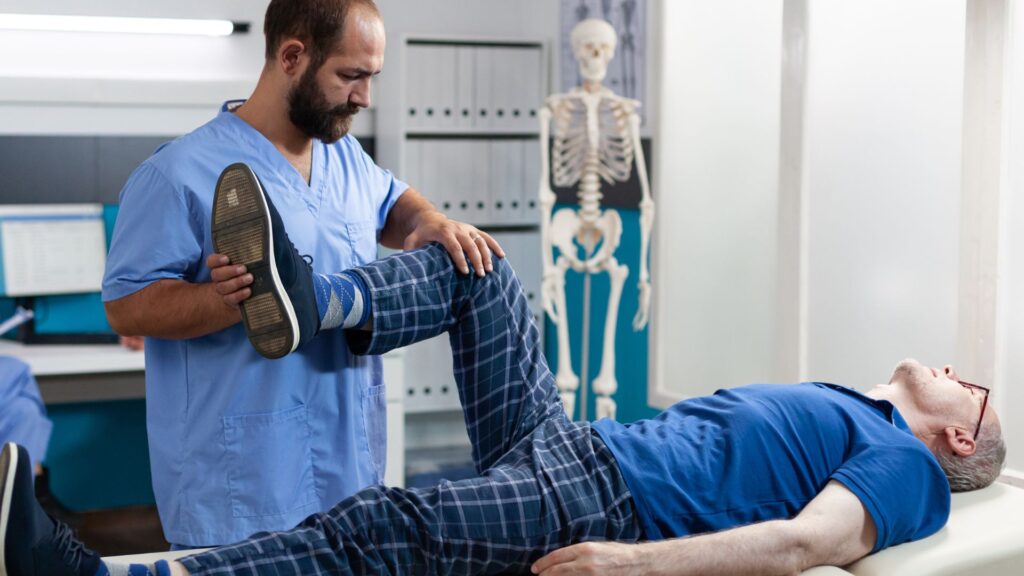
Pain management involves a multidisciplinary approach to help individuals manage discomfort originating from different medical conditions. When multiple providers collaborate, they develop a comprehensive treatment plan. This collaborative process involves communication and coordination between pain clinics and other medical professionals. Here is more information about how pain clinics collaborate with other providers:
Coordinating Care
Effective pain management requires a team effort, so pain specialists and primary care physicians work together to align treatment plans. This cooperation helps integrate specialized pain interventions with general medical care, offering a more complete approach. While a primary care physician manages a patient’s overall health, a pain clinic provides targeted treatments that address specific sources of pain. They may share patient records and treatment outcomes to maintain continuity of care.
A coordinated strategy is developed through this partnership. A pain specialist might recommend a specific procedure, and they will communicate this plan to the primary care doctor, who monitors the patient’s overall health response. This dialogue between providers helps refine the treatment plan over time, adjusting it based on the patient’s progress and any new health information that arises.
Facilitating Referrals
The referral process is a structured system for connecting patients with specialized care. When a primary care physician identifies that a patient’s pain is complex or not responding to initial treatments, they will refer the patient to a pain clinic. This referral includes the patient’s medical history and diagnostic information. The pain clinic then evaluates the patient to determine an appropriate course of action.
Pain clinics also refer patients to other specialists. A pain specialist might identify a condition that requires expertise outside their scope, such as a neurological or orthopedic issue that needs surgical evaluation. In these cases, the pain clinic facilitates a referral to the appropriate specialist, and they provide the new provider with all relevant findings to support a seamless transition.
Specializing in Different Areas
Different healthcare providers have distinct areas of expertise. A pain management clinic focuses on diagnosing and treating pain itself, but other specialists address the underlying causes. A rheumatologist treats autoimmune diseases like rheumatoid arthritis that cause joint pain, while a pain clinic might manage the associated chronic pain.
This division of expertise allows for more targeted care. Each provider shares their specialized knowledge, and it contributes to the patient’s overall treatment.. This collaboration means that the patient receives care from professionals who are experts in their respective fields. Typical collaborations include:
- Neurologists for nerve-related pain
- Orthopedists for musculoskeletal issues
- Psychologists for the mental health aspects of chronic pain
Another area of specialization involves rehabilitation services. A pain clinic may work closely with physical and occupational therapists. While the pain clinic may perform an injection to reduce inflammation and pain, physical therapists guide the patient through exercises to restore function and mobility. The occupational therapist helps the patient adapt to daily activities, and this combined effort supports a patient’s independence.
Communicating Effectively
Clear communication among healthcare providers is foundational to collaborative care. Providers use secure electronic health records (EHRs), phone calls, and consultations to share information. A primary care physician might send a detailed summary of a patient’s history to a pain clinic before the first appointment, and the pain specialist will follow up with a report.
Find Pain Management Services
A collaborative approach involving pain clinics and other healthcare providers offers a structured way to manage complex pain conditions. By coordinating care, facilitating referrals, leveraging specialized expertise, and communicating effectively, providers work together to address a patient’s health needs. Contact a pain management clinic to learn about the services available in your area.