
Harnessing Peptide Therapy for Improved Metabolic Health
December 29, 2025
Effective Strategies for Managing Chronic Back and Neck Pain
December 29, 2025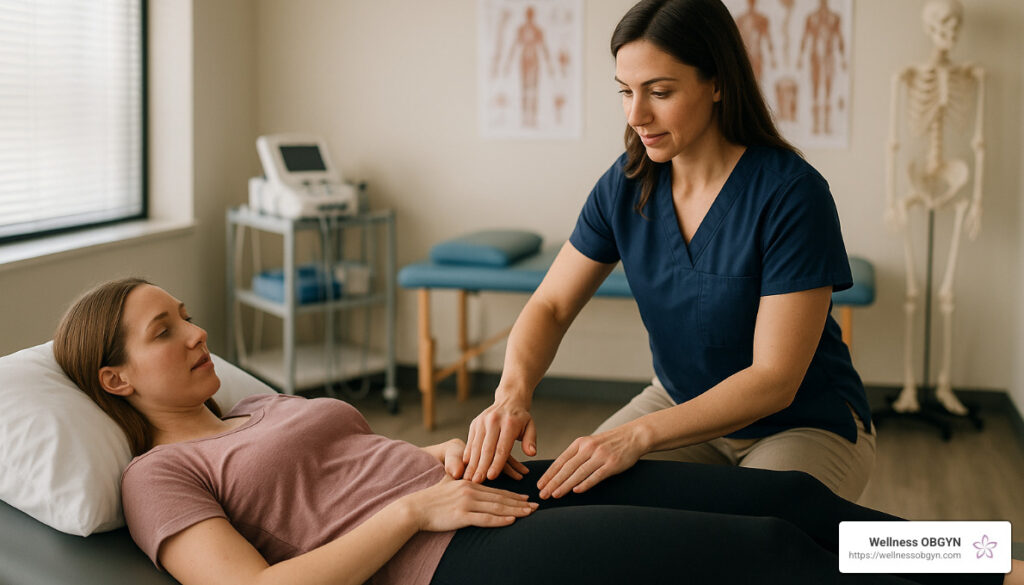
Stress often manifests in the body through physical tension, leading to unexpected health challenges. While many associate stress with headaches or tight shoulders, it also significantly affects the pelvic region. The pelvic floor consists of muscles that support the bladder, bowel, and reproductive organs. When stress levels rise, these muscles may unconsciously contract and remain tight. This chronic holding pattern can lead to pelvic floor disfunction, a condition where the muscles cannot relax or coordinate correctly. Understanding this connection helps individuals recognize the physical toll of mental strain.
How Does Tension Disrupt Function?
The body responds to perceived threats by preparing for action, often referred to as the fight-or-flight response. This reaction involves the automatic tensing of muscles throughout the body to protect against injury. The pelvic floor muscles are particularly reactive to this state of high alert. When the brain senses stress, it sends signals that cause the pelvic floor to tighten reflexively.
Stress impacts these muscles in several specific ways:
- Overactive Muscles: Persistent stress keeps the pelvic floor in a shortened, contracted state, preventing full relaxation. This constant engagement fatigues the muscles over time.
- Reduced Blood Flow: Chronic tension restricts circulation to the pelvic area. Reduced oxygen and nutrient delivery impairs tissue health and muscle function.
- Breathing Pattern Changes: Stress often leads to shallow, chest-based breathing instead of deep diaphragmatic breathing. The diaphragm and pelvic floor work together, so poor breathing mechanics disrupt normal pelvic movement.
- Central Sensitization: Long-term stress can heighten the nervous system’s sensitivity. This makes the pelvic area perceive normal sensations as painful or urgent.
This disruption creates a cycle where physical symptoms reinforce the initial stress. The inability to relax the pelvic floor consciously makes basic functions like urination or bowel movements difficult. Over time, the muscles may shorten, losing their flexibility and strength. Breaking this pattern requires addressing both the physical tension and the underlying stress response.
Which Symptoms Are Triggered?
Identifying the signs of stress-induced pelvic floor disfunction allows for earlier intervention. Individuals often experience a range of physical indicators that point to muscle overactivity. These symptoms can fluctuate in intensity depending on current stress levels.
Common indicators include:
- Urinary urgency or frequency
- Difficulty starting urination
- Pain during intercourse
- Lower back or hip pain
- Constipation or straining during bowel movements
- Unexplained pelvic pain
- Tailbone pain
Recognizing these symptoms as potential results of stress-induced muscle tension is a key step in management. While these issues can arise from other causes, their correlation with periods of high anxiety or pressure is significant. Addressing the root cause of the tension can often alleviate the severity of these physical complaints.
When Should You Seek Treatment?
Persistent pelvic pain or dysfunction often requires professional care, as ignoring symptoms rarely leads to improvement. While occasional tension may resolve on its own, chronic issues that interfere with daily life should be addressed. If relaxation techniques like deep breathing or stretches don’t provide relief, it could indicate the need for focused treatment. Pelvic floor physical therapists can assess muscle tone and coordination to determine if the pelvic floor is too tight (hypertonic) or too weak (hypotonic), tailoring treatments like manual therapy, biofeedback, or targeted stretches to promote relaxation and restore function.
For more complex cases that don’t respond to physical therapy, consulting a surgical specialist may be necessary. Structural abnormalities, nerve entrapments, or other underlying issues can contribute to pelvic floor disfunction and may require surgical intervention. A multidisciplinary approach involving physical therapists and surgical providers allows for thorough care, helping patients achieve long-term relief and regain their quality of life. Early intervention is key to preventing chronic pain and improving overall outcomes.
Consult a Pelvic Floor Disfunction Specialist
Managing pelvic health requires a holistic approach that acknowledges the link between mind and body. A healthcare provider can rule out infections or other structural issues before confirming a diagnosis of pelvic floor disfunction. They create personalized plans that may combine physical therapy with stress management techniques. Taking action empowers you to regain control over your physical well-being. Reach out to a pelvic floor specialist today to discuss your symptoms and start your path toward recovery.