
Exploring the Link Between Sexual Health and Relationship Satisfaction
November 25, 2025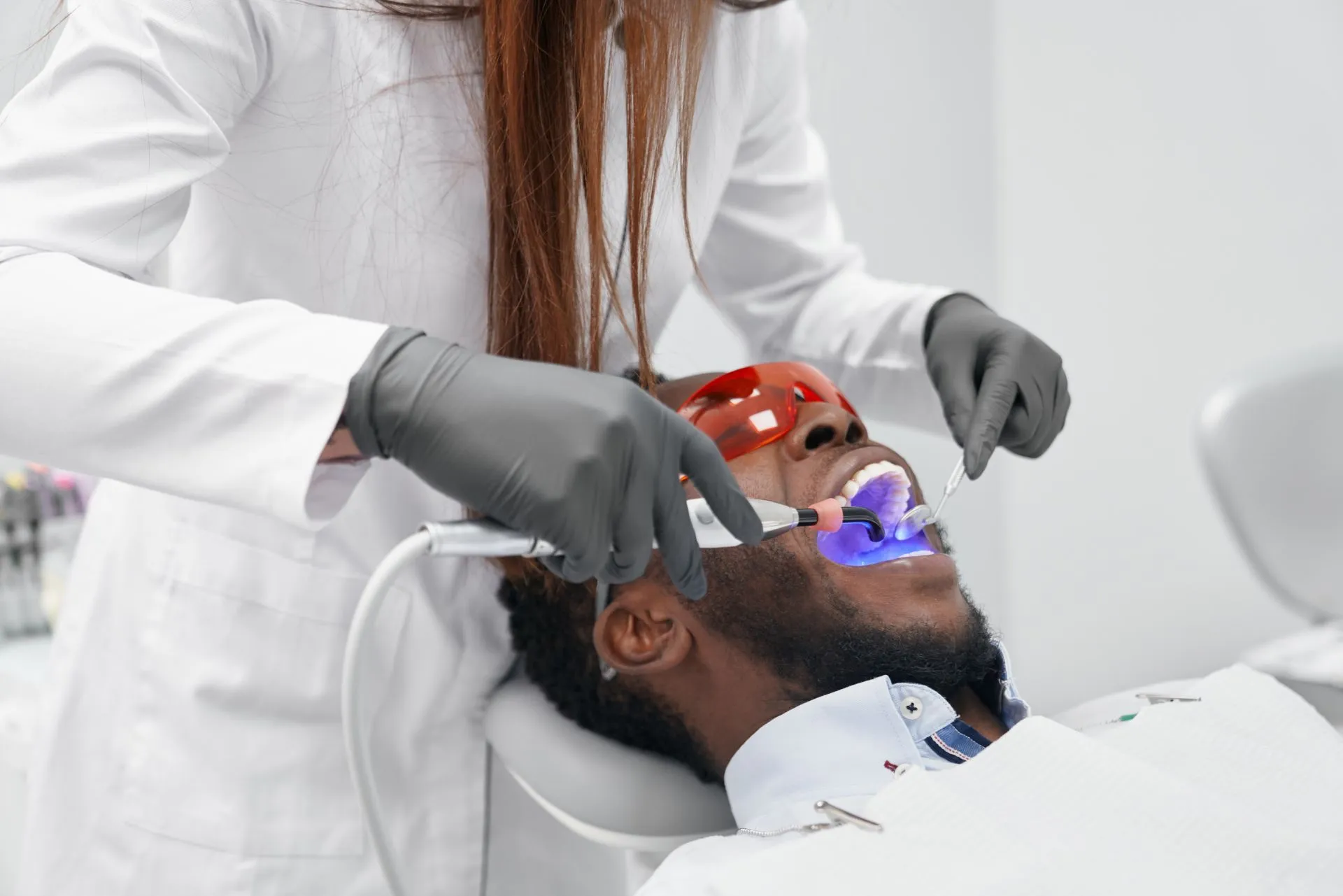
The Benefits of Regular Check-Ups With Your Dentist
November 26, 2025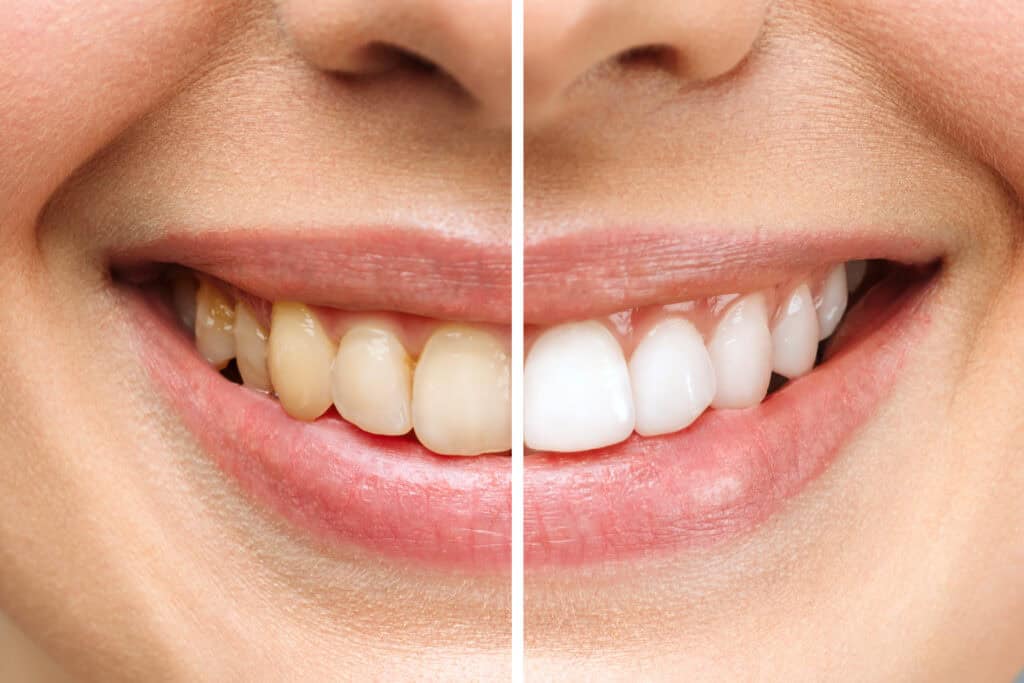
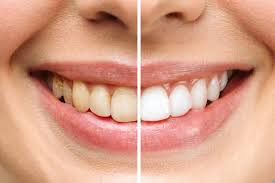
Teeth whitening brightens the smile by lifting stains on the enamel with peroxide-based whiteners. As the whitening gel breaks down discoloration, the shade of the teeth lightens in minutes, days, or weeks depending on the application method. The enamel goes through a brief adjustment phase after treatment, which affects how quickly new pigments settle on the surface. Here is more information about teeth whitening, how it works, and what results to expect:
Teeth Whitening
Teeth whitening lightens the enamel by breaking apart stain molecules through peroxide-based reactions. As the whitening gel moves through the enamel, deeper stains begin to disperse while the peroxide stays active during the application period. Different whitening methods use varying concentrations, and those levels influence how quickly shade changes appear.
Whitening products stay in contact with the enamel for a set amount of time, and that timed exposure allows the ingredients to work evenly across the tooth surface. Higher-strength formulas used in professional settings create faster shade changes, while at-home products follow a slower, layered brightening process. The strength of the peroxide and the method of application affect how dramatic the early results will be.
Short-Term Effects
Right after whitening, the enamel may enter a short adjustment period that affects how it responds to temperature changes and pigment exposure. During this brief window, the enamel is more receptive to staining because the whitening reaction temporarily alters how pigments interact with its surface. Temporary sensitivity may also occur as the enamel stabilizes.
Shade changes are usually immediate after treatment, although noticibility varies based on the whitening method. In-office treatments often show visible results earlier, while at-home systems brighten more gradually across multiple sessions. Both methods use the same chemical reaction to lift discoloration, but the overall pace of the results depends on peroxide strength and exposure time.
Long-Term Effects and Maintenance
Long-term whitening results depend on how thoroughly the whitening agent interacts with stain molecules and how consistently treatments are used. Repeated sessions may continue to brighten the enamel as older pigments break apart during each application. Habits that introduce new stains also influence how long the lighter shade lasts. Whitening treatments that are appropriately spaced out give teeth time to recover between treatments.
Maintenance strategies can help keep the enamel bright between treatments. Brushing and flossing consistently slows the buildup of new surface discoloration. Periodic at-home touch-ups may help when shade changes gradually return over time. The timing of these touch-ups varies because each whitening method creates a different rate of pigment breakdown and stain reappearance. A dentist can recommend a product and schdule for at-home touch-ups.
Learn More About Teeth Whitening
Teeth whitening changes the look of teeth by lifting stains and brightening the enamel with peroxide whiteners. Short-term effects include early shade changes and a brief period where the enamel reacts more strongly to pigments. Some sensitivity can occur, but it is usually temporary. Long-term results develop with repeated treatments and depend on daily oral habits. These combined factors shape both the immediate appearance of the smile and how long the whitening results last.