

The Role of Regular Eye Exams for Early Detection of Glaucoma
December 3, 2025
What to Expect During a Balloon Sinuplasty Procedure
December 3, 2025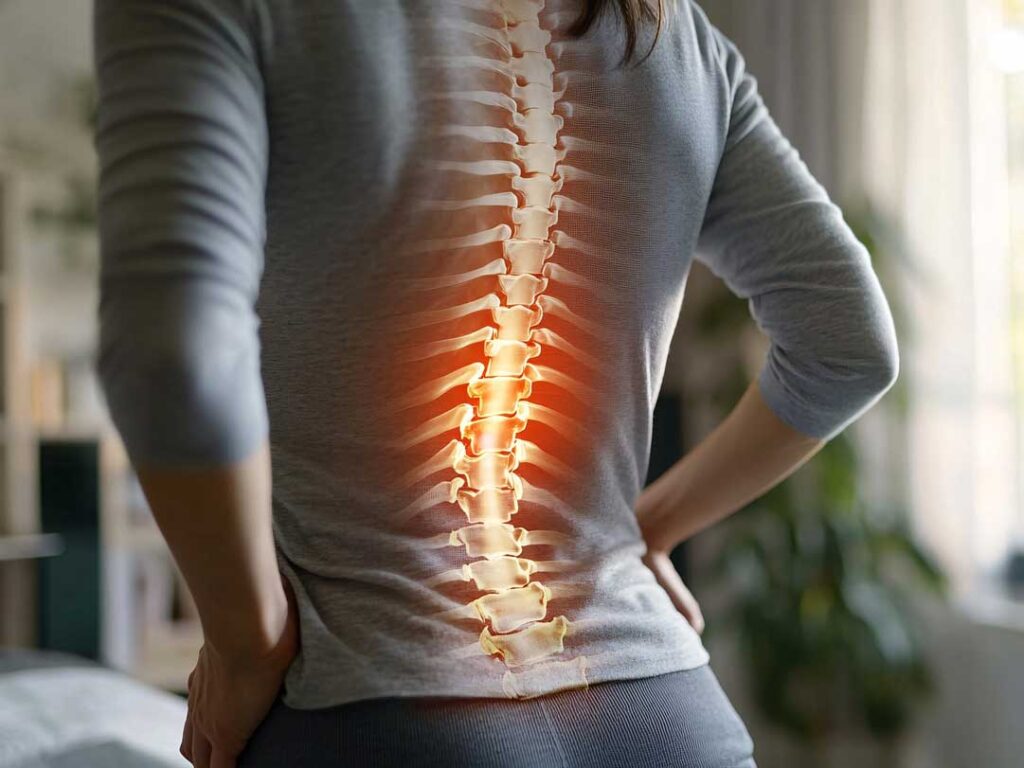
Minimally invasive spinal fusion is a surgical approach designed to stabilize the spine. This procedure joins two or more vertebrae, and it uses smaller incisions than traditional open surgery. While the goal is to limit motion between the affected vertebrae, the techniques themselves have evolved. Here is more information about innovations in spinal fusion procedures, providing you with clear and practical information:
Reduced Tissue Trauma
One area of innovation involves reducing tissue trauma during the procedure. Surgeons make small incisions, sometimes less than an inch long, and they gently separate muscle fibers instead of cutting through them. Because surgeons use specialized instruments to work through narrow channels, these techniques are possible. Innovations also include tubular retractors, and these may use devices to:
- Create a small tunnel to the spine
- Hold the muscles apart
- Minimize muscle disruption
Inserted Bone Grafts
Innovations in bone grafts are a key part of minimally invasive spinal fusion. The body uses bone graft material to create a solid bridge between vertebrae. Surgeons typically have access to different types of grafts, including bone from the patient’s own body, donor bone, or synthetic materials. Some synthetic grafts are engineered with a porous structure, which provides a scaffold for new bone to grow into.
Increased Nerve Space
Another focus of innovation is creating more space for spinal nerves. Surgeons might perform a decompression procedure to relieve pressure on nerve roots. Techniques such as a laminotomy, which involves removing a small portion of the vertebral bone called the lamina, create additional space for the nerves. This helps address symptoms associated with nerve compression.
Other procedures that surgeons may use for increasing nerve space include:
- Laminotomy: Partial removal of the lamina.
- Diskectomy: Removing a damaged portion of a spinal disc.
This part of the operation is performed with precision equipment. With specialized tools, the surgeon can remove bone or disc material through the small incisions. The objective is to decompress the nerves while preserving as much of the natural spinal structure as possible.
Improved Spacers
Spacers, also known as interbody cages, are devices inserted between vertebrae. They help restore the normal height of a spinal disc, and they provide stability while the fusion occurs. Over time, these spacers have seen significant improvements.
Modern spacers now come in a variety of materials, including high-performance polymers and other composites. They may also be available in different shapes and sizes to better match a patient’s anatomy. Since some newer spacers are expandable, the surgeon can insert them in a compressed state and then expand them once they are in the correct position. This design allows for a larger implant to be placed through a smaller incision.
Schedule Minimally Invasive Spinal Fusion
Innovations in this spinal fusion technique focus on refining surgical techniques and materials. These approaches involve smaller incisions, specialized instruments, and advanced implants. When you are ready to explore your options, speaking with a specialist is a practical next step. Schedule a consultation to discuss your specific situation, and you can learn whether this procedure is proper for you.