
Techniques to Improve Sleep Quality for Insomnia Sufferers
October 27, 2025
The Science Behind Ketamine’s Rapid Antidepressant Effects
October 27, 2025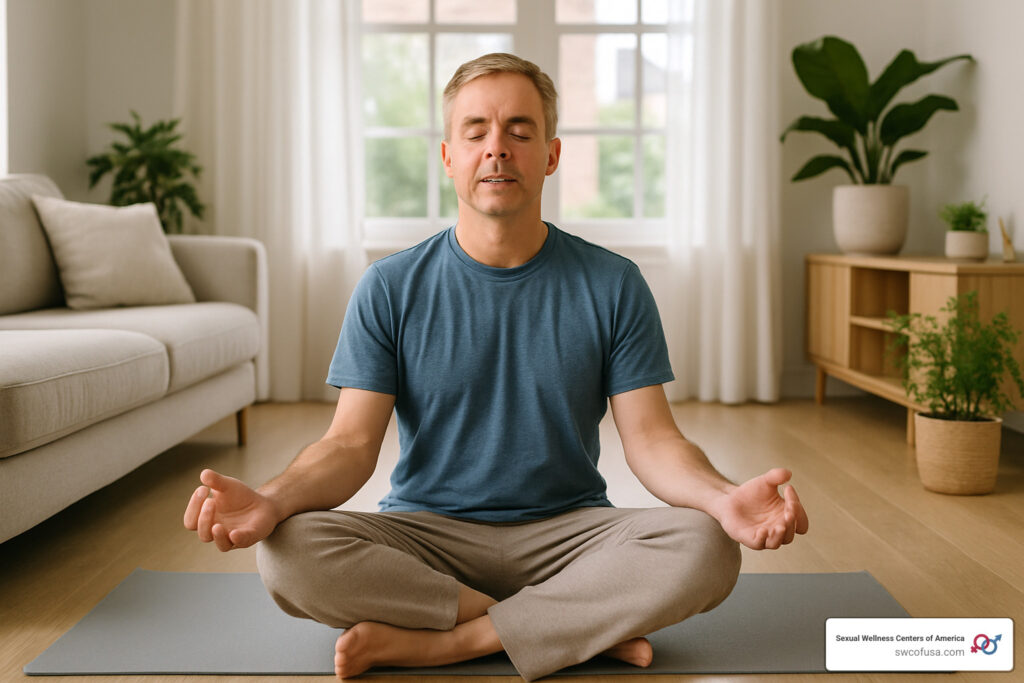
An enlarged prostate, also known as benign prostatic hyperplasia (BPH), is a common condition that affects men as they age. While medical treatments are available, simple lifestyle adjustments can also make a significant difference in managing symptoms. Here are some lifestyle changes that may help alleviate symptoms of an enlarged prostate:
What Is an Enlarged Prostate?
The prostate is a small gland located below the bladder in men. As men age, this gland often continues to grow. When it gets too large, it press against the urethra (the tube that carries urine out of the body). This pressure leads to various urinary problems. Common symptoms of an enlarged prostate include needing to urinate frequently, especially at night. Men may also notice a weak urine stream or difficulty starting urination. Some experience dribbling at the end of urination or feel like their bladder isn’t fully empty.
Which Foods Support Prostate Health?
What you eat influences prostate health. Adding certain foods to your diet may help reduce symptoms. Here are some dietary adjustments you can incorporate:
- Fruits and vegetables rich in antioxidants are helpful for prostate health.
- Leafy greens like spinach and kale are rich in key nutrients.
- Healthy fats, particularly omega-3 fatty acids found in fish like salmon, sardines, and mackerel, can help reduce inflammation.
- Nuts and seeds, especially pumpkin seeds, supply zinc and other minerals that support prostate health.
- Limit caffeine and alcohol, as both can irritate the bladder and worsen urinary symptoms.
- Be cautious with spicy foods and artificial sweeteners, as they may have similar effects.
- Reduce consumption of red meat and processed foods, and opt for plant-based options instead.
Staying hydrated is key, but timing matters. Drink plenty of water throughout the day, but reduce fluid intake in the evening to minimize nighttime urination.
How Does Exercise Help?
Regular physical activity supports overall health and can specifically help with BPH symptoms. Exercise helps maintain a healthy weight, which reduces pressure on the bladder and prostate. Aerobic exercises for most days of the week can be helpful. Strength training a few times per week helps maintain muscle mass and metabolic health.
Stress management is another helpful component. Chronic stress can worsen urinary symptoms and affect hormone levels. Techniques such as deep breathing, meditation, or yoga can help reduce stress. Getting adequate sleep is also fundamental. Poor sleep worsens BPH symptoms and affects overall health. Create a relaxing bedtime routine and keep your bedroom cool and dark.
What Daily Habits Make a Difference?
Consistent daily habits impact BPH symptoms. Contemplate the following actions to manage symptoms effectively:
- Go to the bathroom regularly: Avoid holding your urine for long periods. Urinate as soon as you feel the urge and take your time to fully empty your bladder.
- Try double voiding: After finishing, wait a few minutes and try to urinate again to make sure the bladder is completely empty.
- Stay warm: Cold weather often exacerbates urinary symptoms. Keep warm during the winter months to minimize discomfort.
- Avoid prolonged sitting: Sitting for extended periods increases pressure on the prostate. Stand up and move around regularly, especially if you have a desk job.
- Review medications: Speak with your doctor about medications you are taking. Ask about alternatives that are less likely to impact urinary function.
- Limit evening fluid intake: Reduce fluid intake close to bedtime to minimize nighttime bathroom trips. Make sure that you are sufficiently hydrated during the day.
Adopting these habits may help alleviate symptoms and improve overall comfort.
Get Treatment for Enlarged Prostate
Lifestyle changes can improve symptoms of an enlarged prostate. Dietary adjustments, regular exercise, stress management, and simple daily habits all contribute to better prostate health and well-being. If symptoms persist or worsen despite these changes, medical treatment may be necessary. Contact a qualified urologist near you to schedule an appointment and explore your treatment options.