
The Benefits of Family Medicine in Managing Family Health
September 3, 2025
The Role of Spinal Cord Stimulation in Treating Nerve Pain
September 3, 2025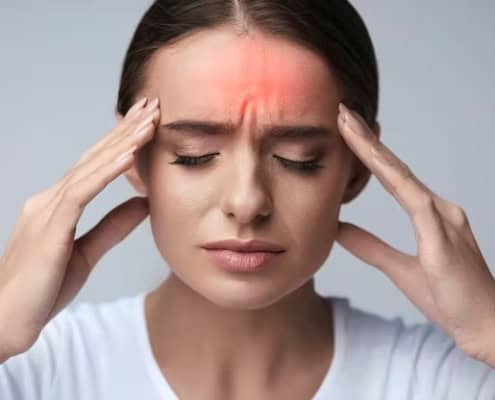
Headaches are a common condition that most people experience at some point during their lives. Understanding the nature of headaches, their underlying causes, and available treatment options can help you manage symptoms effectively. Here is more information on the fundamental aspects of this condition and practical approaches to relief:
What Is a Headache?
A headache is pain or discomfort occurring in the head, scalp, or neck region. The brain tissue itself contains no pain receptors, making headaches the result of irritation or inflammation in surrounding structures. These structures include blood vessels, muscles, nerves, and the tissues covering the skull.
Medical professionals classify headaches into two primary categories: primary and secondary. Primary cases occur independently without underlying medical conditions, while secondary cases result from other health issues. Primary headaches include tension-type headaches, migraines, and cluster headaches.
The pain experienced varies in intensity, duration, and location. Some individuals experience mild, dull aching, while others face severe, throbbing pain that interferes with daily activities. Understanding your specific headache pattern helps determine the most appropriate management approach.
What Causes It?
Triggers vary significantly among individuals, with multiple factors often contributing to onset. Physical tension in the neck, shoulders, and scalp restricts blood flow and creates the characteristic tight, band-like sensation associated with tension headaches. Certain foods and beverages, including aged cheeses, processed meats, chocolate, and alcoholic beverages, contain compounds that can trigger this condition in susceptible individuals. Dehydration and irregular eating patterns also contribute to the frequency of this condition.
Environmental factors, such as bright lights, loud noises, strong odors, and weather changes, can trigger headaches. Hormonal fluctuations, particularly in women during menstruation, pregnancy, or menopause, create additional triggers. Sleep disturbances, both insufficient sleep and oversleeping, disrupt normal brain function and contribute to the development of this condition.
What Are the Symptoms?
Symptoms manifest differently depending on the type and underlying cause. Tension-type cases typically produce a constant, dull aching sensation that feels like a tight band around the head. This pain usually affects both sides of the head and may extend to the neck and shoulders.
Migraines are characterized by more severe, throbbing pain that often affects one side of the head. Accompanying symptoms may include nausea, vomiting, sensitivity to light and sound, and visual disturbances. Cluster headaches cause intense, burning pain typically centered around one eye. These occur in clusters or groups, with multiple episodes happening over several days or weeks, followed by periods of remission.
What Natural Remedies Can Help?
Several natural approaches can provide relief from this condition. Hydration remains fundamental, as dehydration is a common trigger. Drinking water consistently throughout the day and increasing intake during headache episodes may provide relief.
Cold and heat therapy offer effective options for pain management. Applying cold compresses to the forehead or neck can reduce inflammation and numb pain, while warm compresses help relax tense muscles. Regular practice of muscle relaxation techniques may help decrease the frequency and intensity of headaches. Gentle neck and shoulder stretches also help alleviate muscle tension.
Alleviate Your Symptoms Now
Understanding headaches helps you manage your symptoms through targeted strategies and therapeutic techniques. Natural remedies may offer relief for mild cases, while professional medical care provides advanced treatment for complex pain. Consult with healthcare professionals when symptoms persist or worsen to develop comprehensive treatment plans tailored to your specific needs.