Recognizing and Treating Common Foot Injuries in Sports
November 28, 2025
Things To Know About Botox
December 1, 2025
Dental emergencies can happen unexpectedly, and knowing how to respond makes a significant difference in preserving your oral health. Understanding what qualifies as a dental emergency and when to seek prompt care helps you act quickly, protect your teeth, and avoid further damage. Here are the key signs to watch for and the steps to take when urgent dental problems arise:
What Are Common Emergencies?
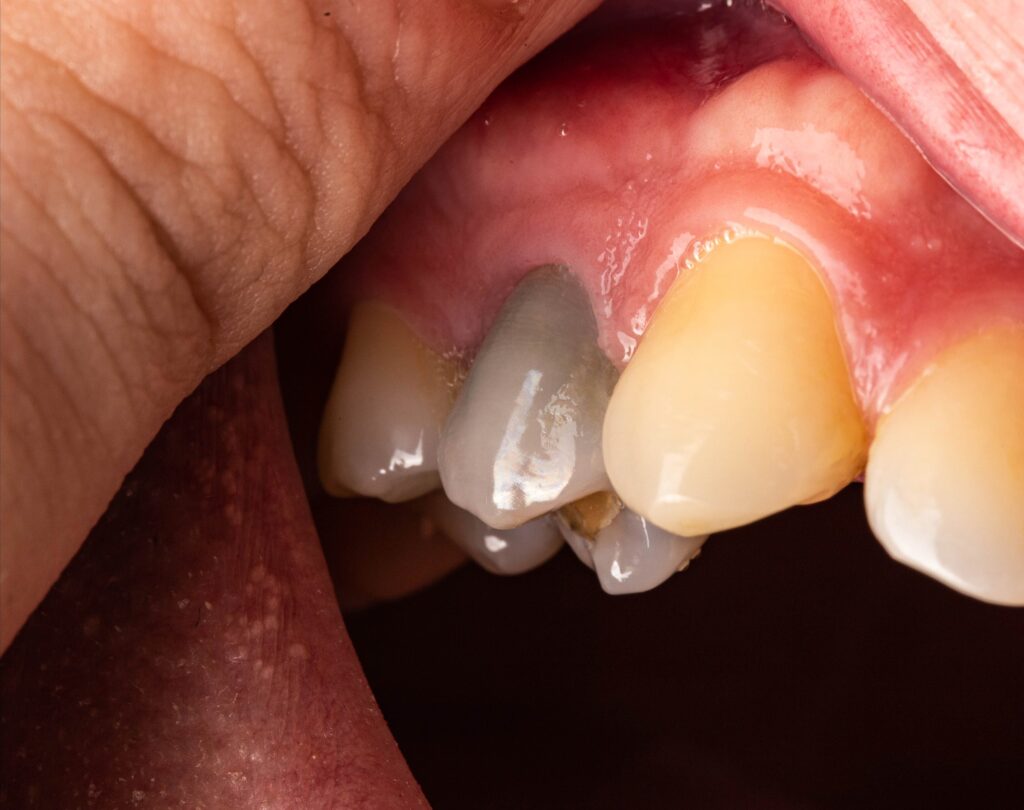
Some dental emergencies are more severe than others and demand prompt attention. A knocked-out tooth, for instance, is a clear dental emergency where time is key for successful reimplantation. A severely broken or cracked tooth can expose the inner pulp to bacteria, leading to infection and severe pain if left untreated. Major infections, such as a tooth abscess, are serious conditions that cause swelling, fever, and intense pain. They require immediate treatment to prevent the infection from spreading. You should seek emergency dental care if you experience any of these situations.
Which Signs Mean Danger?
Recognizing the signs of dental emergencies helps you get the right care when you need it. Look for these signs that indicate a need for urgent dental care.
- Severe, persistent toothache that persists.
- Bleeding from the mouth that won’t stop.
- Swelling in your gums, cheek, or face.
- A loose or knocked-out adult tooth.
- A painful lump or abscess on your gums.
If you experience any of these symptoms, you should seek professional help without delay. These issues often point to an underlying problem that needs to be addressed immediately.
What Should You Do First?
Taking the right actions before your emergency dental appointment can make a difference in the outcome. Here are some steps you can take to manage the situation before getting professional care:
- If a tooth is knocked out, gently rinse it with water and try to place it back in the socket without touching the root.
- If you cannot place the tooth back in the socket, keep it moist in a small container of milk.
- For a severe toothache, rinse your mouth with warm salt water to clean the area.
- Apply a cold compress to the outside of your cheek to reduce swelling.
These temporary measures preserve your tooth and manage pain, but they are not a substitute for professional emergency dental care.
When Should You Get Immediate Care?
It is fundamental to seek professional dental care immediately if you experience certain symptoms or dental emergencies. Persistent bleeding, tooth displacement, or a knocked-out tooth that cannot be reinserted requires urgent dental attention to avoid permanent damage or complications. Severe toothaches that do not respond to home remedies, especially if accompanied by swelling or fever, may indicate an underlying infection. Prompt treatment in such cases can prevent the infection from spreading and prevent long-term health risks.
Another indication for immediate dental care is damage to dental restorations, such as crowns or fillings. These can lead to further decay or injury if not addressed quickly. Jaw injuries or fractures resulting from trauma require comprehensive care to support proper healing. Early intervention by a dental professional improves outcomes, prevents worsening conditions, and effectively alleviates pain.
Get Help for Dental Emergencies
Understanding how to identify and respond to dental emergencies is key to maintaining your oral health and overall well-being. From severe pain and abscesses to knocked-out teeth, prompt action can significantly reduce the risk of long-term complications. If you experience a dental emergency, you must act quickly. Get help for dental emergencies by contacting a qualified emergency dentist near you to schedule your appointment or walk in for immediate care.