The Impact of Ingrown Toenails on Daily Life
January 6, 2026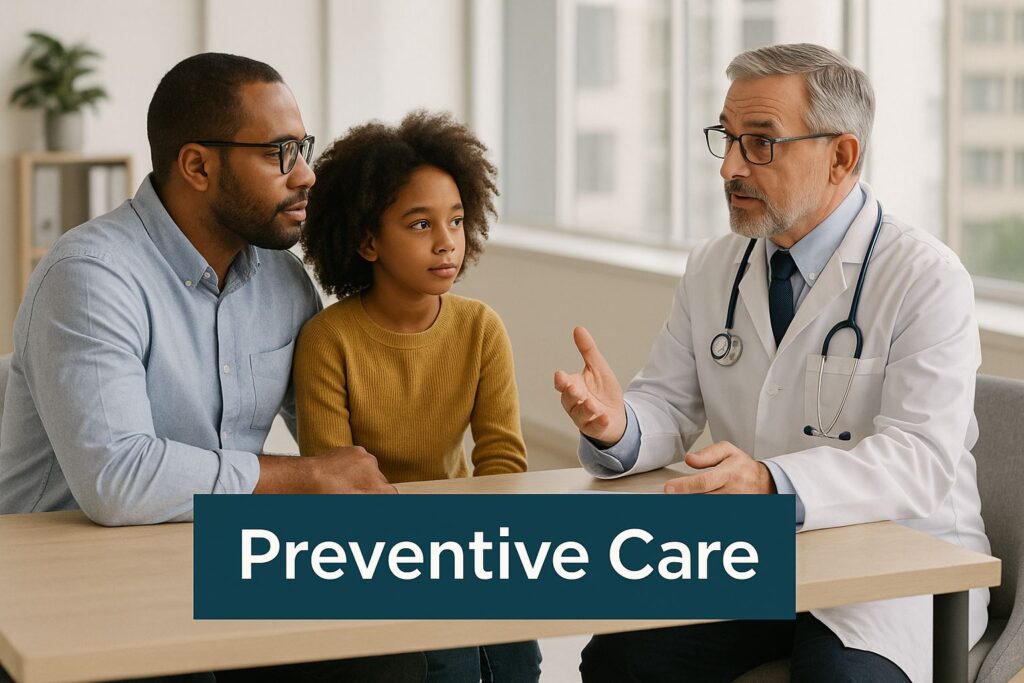
Preventive care focuses on maintaining health and reducing the risk of illness through early detection, routine screenings, and proactive lifestyle choices. Rather than addressing conditions after symptoms appear, preventive care emphasizes long-term wellness and risk management. Here are key strategies for effective preventive care:
Attending Regular Screenings
Regular check-ups are the foundation of effective preventive care, enabling tracking of changes in a patient’s health. Physicians use these visits to perform standard assessments that evaluate the body’s current state and function. Cancer screenings are another fundamental aspect of these routine appointments. Depending on age and gender, providers may recommend screenings for breast, colon, cervical, or prostate cancer.
Mental health evaluations are also becoming a standard part of preventive medical care. Providers may screen for signs of anxiety or depression during a physical exam to address total body wellness. Comprehensive care involves treating the mind and body as an interconnected system. Specific screenings, such as diabetic eye screenings or nuclear stress testing, may be required for patients with elevated risk factors.
Incorporating Healthy Habits
Clinical intervention is only one part of the equation; daily choices play a massive role in health outcomes. The following lifestyle modifications are helpful in maintaining optimal health:
- Nutritious Diet: Consuming a balanced diet rich in fruits, vegetables, and lean proteins supports immune function and weight management.
- Physical Activity: Engaging in regular exercise strengthens the cardiovascular system and improves mental health stability.
- Tobacco Cessation: Avoiding smoking and tobacco products significantly lowers the risk of lung cancer and heart disease.
- Alcohol Moderation: Limiting alcohol intake prevents liver damage and reduces the risk of various other health complications.
- Stress Management: Practicing techniques to reduce stress levels can lower blood pressure and improve overall heart health.
Adopting these habits supports a healthy life and complements clinical preventive efforts.
Reducing Health Risks
Immunizations prepare the immune system to recognize and fight specific pathogens, reducing the likelihood of severe illness. Review the following vaccination categories with a healthcare provider:
- Childhood Immunizations: These vaccines protect children from serious diseases such as measles, mumps, and whooping cough during developmental stages.
- Annual Flu Shots: Receiving a yearly influenza vaccine helps prevent the flu and reduces the risk of flu-related complications.
- Adult Boosters: Tetanus and other vaccines require periodic boosters to maintain immunity throughout adulthood.
- Travel Vaccines: Specific immunizations may be necessary when traveling to regions with higher risks of certain infectious diseases.
Staying up to date with these vaccinations is a key component of a comprehensive preventive care strategy.
Building Personalized Preventive Plans
Every individual has unique health needs based on genetics, lifestyle, and medical history. Developing a personalized plan requires open communication between the patient and their primary care provider. The collaboration helps identify specific risk factors that standard guidelines may not address. For instance, a patient with a high-stress job may need more frequent blood pressure monitoring than someone with a low-stress lifestyle.
Family medical history is a fundamental piece of information for this planning process. A history of heart disease or diabetes in close relatives often necessitates earlier or more frequent screening protocols. The plan should also encompass a schedule for future appointments and specific goals for lifestyle changes. A provider might set targets for weight loss or blood pressure reduction and monitor progress over time.
Schedule Your Preventive Care Appointment
Preventive care supports longevity by focusing on early detection and risk reduction. Combining routine screenings, healthy habits, and timely vaccinations helps patients avoid chronic conditions. Contact a trusted healthcare provider near you today to schedule your preventive care appointment.