How Teeth Whitening Affects Your Smile
November 26, 2025
Choosing the Right Custom Orthotics for Your Foot Type
November 28, 2025
Regular check-ups with a dentist help keep the teeth, gums, and oral tissues in good condition through routine evaluations. Dentists look for early signs of concerns like decay or gum inflammation and address them before they worsen. Cleanings and oral cancer screenings can be part of the appointment as well as fluoride treatments and discussion about future procedures.
Early Detection
Early detection of dental issues enables timely diagnosis and treatment. A dentist performs exams and uses diagnostic tools to identify changes in the teeth and surrounding tissues.In these evaluations, dentists look for decay, enamel wear, gum redness that may signal early gum disease. To screen for oral cancer, the provider checks the tongue and other soft tissues for sores or texture changes.
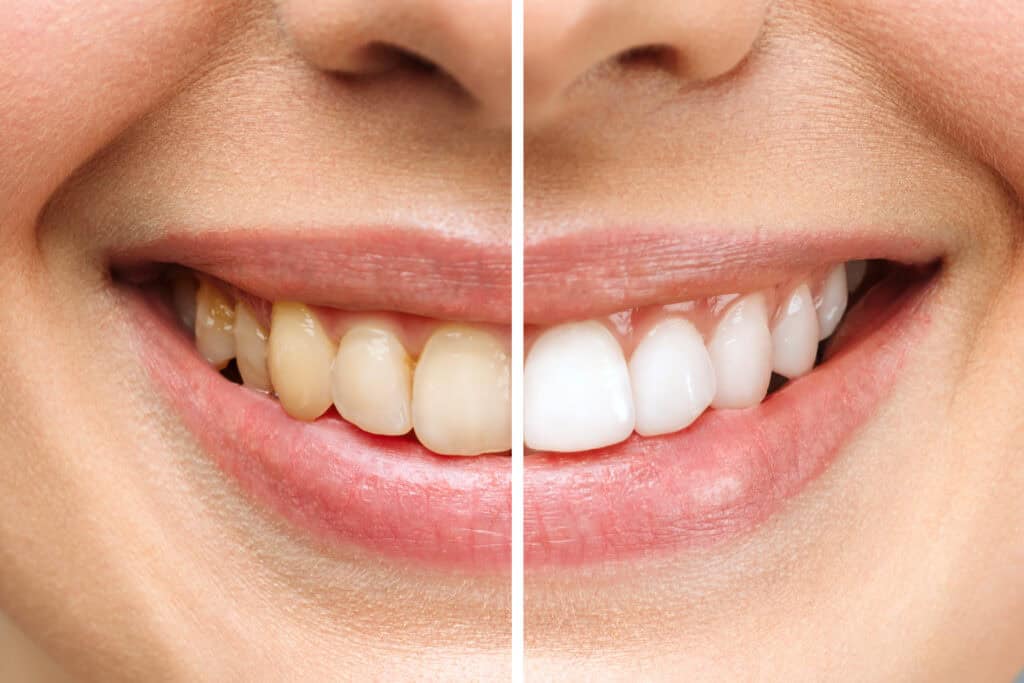
Check-ups also allow the dentist to monitor teeth that have fillings, past repairs, or a history of weakness. Small fractures or surface changes may appear between visits, and finding them early can reduce the need for extensive restorative work. During this part of the appointment, interested patients can ask about whitening, veneers, cosmetic bonding, or other treatments.
Cleaning and Preventive Care
Professional cleanings remove plaque and tartar that can build up even with regular dental hygeine at home. A typical cleaning includes scaling to remove hardened buildup and polishing to smooth the enamel surface. These steps aim to mitigate bacteria that contribute to decay and gum irritation.
Additional preventive services may include sealants, which are applied to the grooves of molars. After it is cured, this thin coating acts as a barrier that reduces the risk of decay. Fluoride treatments may also be used to support enamel strength, especially when patients have a history of frequent decay or dryness-related concerns. When combined, these services expand the protective benefits of routine care.
Gum Disease Evaluation and Treatment
Dentists review gum health during check-ups by measuring pocket depths, assessing firmness, and noting the color and texture of the tissue. Early signs of gingivitis may show up as swelling or light bleeding during cleaning. Teeth feeling loose and gum recession may indicate a more advanced stage of gum disease. These evaluations help a dentist determine whether cleaning alone is enough or whether additional treatment is needed.
When gum disease requires targeted care, treatment plans may include scaling procedures, localized antibiotics, or laser therapy depending on the condition of the tissue. Scaling removes hardened material below the gumline and reduces bacteria linked to inflammation. Antibiotics may be placed directly under the gums to limit bacterial growth. Some offices also use laser methods to remove diseased tissue while preserving healthy structures. These options increase the ability to treat gum conditions identified during routine evaluations.
Consult a Dentist to Learn More
To learn more about how regular check-ups can affect your overall dental health, consult your dental provider. Regular check-ups combine early detection, preventive care, and targeted treatment to maintain oral health. Dentists can evaluate changes, update preventive measures, and suggest procedures that support long-term goals. Continuing these visits helps preserve the health of the teeth and gums while reducing the likelihood of future complications.