
What Surgeries Can Be Done Robotically?
November 19, 2025
What To Expect From a CoolSculpting Treatment
November 20, 2025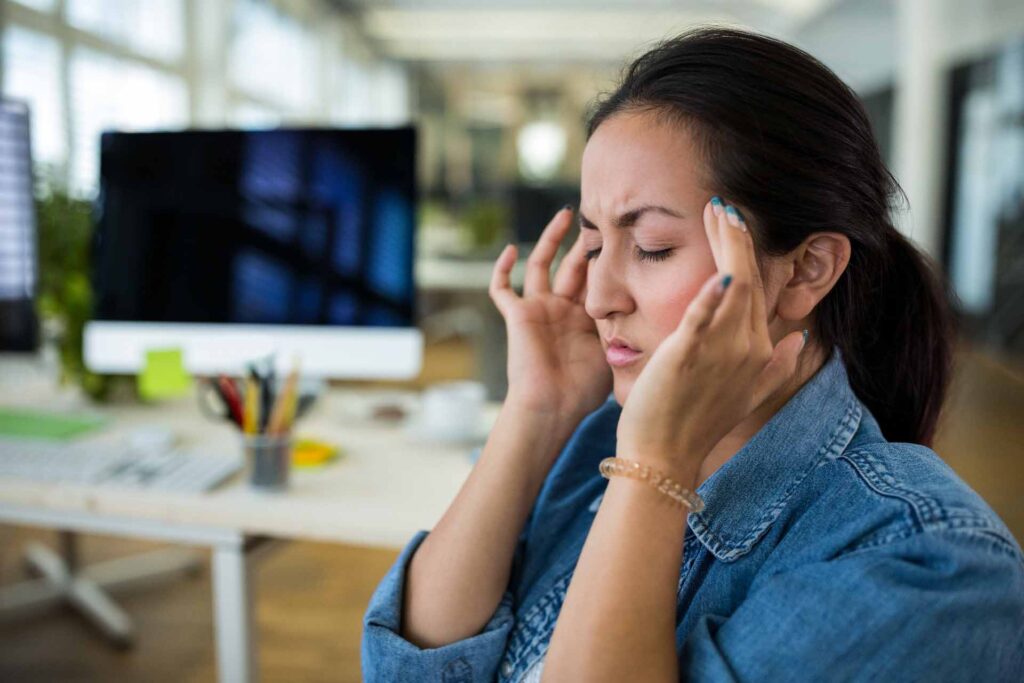
Many people experience discomfort in their upper back and neck area at some point in their lives. This sensation often travels upward, leading to tension or aching in the head. Understanding how these two areas influence one another helps individuals better manage their daily comfort levels. Poor posture, stress, and muscle strain are frequently the cause of these symptoms. You might notice the discomfort starts at the base of the skull and radiates outward. Recognizing these patterns serves as the first step toward finding neck pain relief and improving your quality of life.
What causes neck pain?
Your neck supports the full weight of your head, so the muscles in this area constantly work to maintain alignment. Because of this heavy load, it is vulnerable to various strains that can lead to stiffness and soreness. Several factors commonly contribute to this discomfort:
- Muscle Strain and Posture: Prolonged sitting at a desk or looking down at a smartphone can strain the soft tissues and cervical spine.
- Injury and Sleep Habits: Sudden movements, minor accidents, or even sleeping with the wrong pillow can jolt the neck and limit your range of motion.
- Natural Wear and Tear: As we age, discs may wear down, and arthritis may develop, leading to joint friction and chronic pain.
Identifying the specific source of your neck pain is a practical first step toward finding relief. Whether you adjust your workspace or change your sleeping position, understanding these causes helps you make small, effective changes to reduce stress on your spine.
Does it cause headaches?
Yes, neck pain can definitely cause headaches. Tension headaches are the most common type, occurring when tight neck muscles pull on surrounding tissues, creating a sensation of a tight band around your head. Another type, cervicogenic headaches, originates from issues in your cervical spine, where pain signals from the neck are misinterpreted by the brain as head pain.
Poor posture is often a primary cause of this discomfort, as it increases the load on your neck muscles. This extra strain may create sensitive knots that refer pain upward into the head. By understanding this connection, you can take steps to correct your posture and alleviate the tension that fuels these headaches.
When Should You Seek Care?
Most instances of neck stiffness and related headaches resolve with rest and home care. You can often manage symptoms by adjusting your workspace or changing your sleeping position. Gentle stretching usually helps relieve tight muscles. Listening to your body allows you to identify when professional guidance might be beneficial. Watch for specific signs that indicate a need for evaluation.
You should seek medical attention if you experience:
- Headaches that become severe or frequent.
- Numbness or tingling in your arms or hands.
- Weakness in your arms or legs.
- Pain that results from a fall or injury.
- Fever accompanying your neck stiffness.
- Unexplained weight loss.
Ignoring persistent symptoms can lead to worsening conditions over time. Early intervention often prevents chronic issues from developing. A healthcare provider can assess your specific situation and recommend targeted therapies. They might suggest physical therapy to strengthen weak muscles. You deserve to function without constant discomfort interfering with your day. Taking action early puts you on the path to recovery.
Consult a Specialist
Finding the proper support helps you navigate the challenges of chronic discomfort effectively. Specialists can pinpoint the exact source of your neck pain and its relationship to your headaches. They offer personalized treatment plans that address your unique needs and lifestyle goals. Reach out to a qualified professional today to schedule an evaluation and start your journey toward lasting relief.