
Effective Practices for Wound Care Management
December 3, 2025
Creating a Personalized Wellness Routine for a Balanced Life
December 3, 2025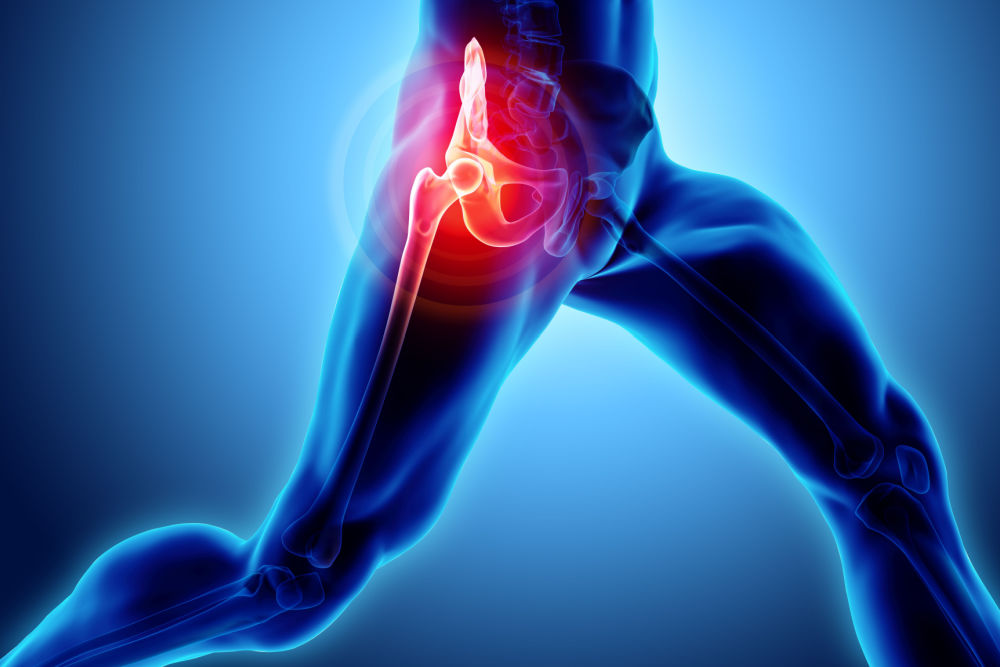
Hip pain might feel like a dull ache or a sharp pain, and it can make daily activities difficult. Understanding the source of this pain is the first step toward finding relief. For people with arthritis, the underlying cause may be related to changes within the hip joint itself. Here is more information about the link between hip pain and arthritis:
Wearing Cartilage Down
Arthritis in the hip typically begins with the breakdown of cartilage. Cartilage is a smooth, flexible tissue, and it cushions the ends of your bones. This protective layer allows the hip joint to move smoothly without friction. Over time, factors such as age, genetics, and prior injuries may cause this cartilage to wear thin.
This process of cartilage degeneration is gradual, and the tissue loses its elasticity and becomes more susceptible to damage from daily activities. As the cartilage deteriorates, the once-smooth surface of the joint becomes rough and uneven. This change sets the stage for more advanced joint problems.
Leading to Bone Contact
When cartilage wears away significantly, it reduces the space between the bones in the hip joint. This narrowing means the bones are no longer adequately protected. Eventually, the bones may begin to rub directly against each other, and this bone-on-bone contact creates friction within the joint. Simple movements like walking or standing up from a chair become difficult.
Causing Pain
The direct contact between bones is a primary source of hip pain in arthritis. This friction leads to inflammation, and the joint lining may become swollen. When this occurs, you might notice this pain during or after movement.
The body responds to this irritation by sending pain signals to the brain. While this discomfort may be sharp and intense during activity, a constant, dull ache may persist during rest. The pain may also radiate to other areas, and this can be debilitating.
This persistent pain typically occurs because the nerves in the bones are exposed and irritated. Inflammation of the joint capsule also contributes to pain. Without the cushioning effect of cartilage, each movement puts stress on these sensitive structures.
Limiting Movement
Hip pain and joint damage naturally lead to a reduction in your range of motion. The hip joint is a ball-and-socket joint, designed for a wide array of movements. Since arthritis interferes with this design, actions like bending or rotating your leg become stiff and restricted. You may have limited movement in:
- The groin
- The thigh
- The buttocks
You might find it challenging to perform simple tasks. Putting on socks and shoes can become a struggle, and you may find yourself walking with a limp to avoid putting weight on the painful hip. This stiffness is often most noticeable in the morning or after long periods of sitting.
Get Treated for Hip Pain
Addressing the symptoms early can help you maintain your mobility and quality of life. An evaluation with a healthcare provider is a good first step, because working with a specialist will help you understand the condition of your hip joint. They can create a personalized plan to address your specific symptoms. If you are experiencing hip pain, reach out to a pain specialist to schedule a consultation and learn about your options.