
Understanding Food Labels to Reduce Your Sugar Intake
October 22, 2025
Understanding the Benefits of Geriatric Care for Aging Populations
October 22, 2025
Endometriosis affects millions of women, causing chronic pain and potential fertility issues. This condition occurs when tissue similar to the uterine lining grows outside the uterus, and understanding it is the first step toward effective management and relief. Here is more information on endometriosis, including its causes, symptoms, and how a women’s health doctor can help:
What Is a Women’s Health Doctor?
A women’s health doctor specializes in the female reproductive system and related health concerns. These physicians, often obstetricians and gynecologists, provide comprehensive care including routine examinations, pregnancy management, and treatment of reproductive disorders. They receive specialized training to diagnose and treat conditions like endometriosis, and they work closely with patients to develop individualized treatment plans.
What Is Endometriosis?
Endometriosis is a chronic condition where tissue resembling the endometrium grows in locations outside the uterus. Common sites include the ovaries, fallopian tubes, pelvic lining, and occasionally the bladder or intestines. This misplaced tissue responds to hormonal changes during the menstrual cycle, thickening and breaking down just like the uterine lining, but it has no way to exit the body.
The trapped tissue causes inflammation, scarring, and the formation of adhesions that bind organs together. Endometriosis affects each woman differently, ranging from mild discomfort to debilitating pain that interferes with daily activities. The condition can also lead to fertility challenges, making medical consultation advisable for women experiencing symptoms.
What Causes It?
The exact cause of endometriosis remains unclear, though there are several contributing factors. Retrograde menstruation, where menstrual blood flows backward through the fallopian tubes into the pelvic cavity, may allow endometrial cells to implant outside the uterus. Genetic factors also play a role, as women with affected family members face a higher risk. Understanding risk factors helps women identify when to seek medical evaluation.
What Are the Symptoms?
Pelvic pain is a common symptom of endometriosis, often intensifying during menstruation. This pain may extend to the lower back and abdomen, and some women experience pain during intercourse or bowel movements. Additional symptoms include:
- Heavy menstrual bleeding or bleeding between periods
- Digestive issues such as diarrhea, constipation, bloating, or nausea
- Fatigue that persists despite adequate rest
- Difficulty conceiving after 12 months of trying
Symptom severity does not always correlate with disease extent, making professional diagnosis necessary for proper assessment.
How Can a Doctor Help?
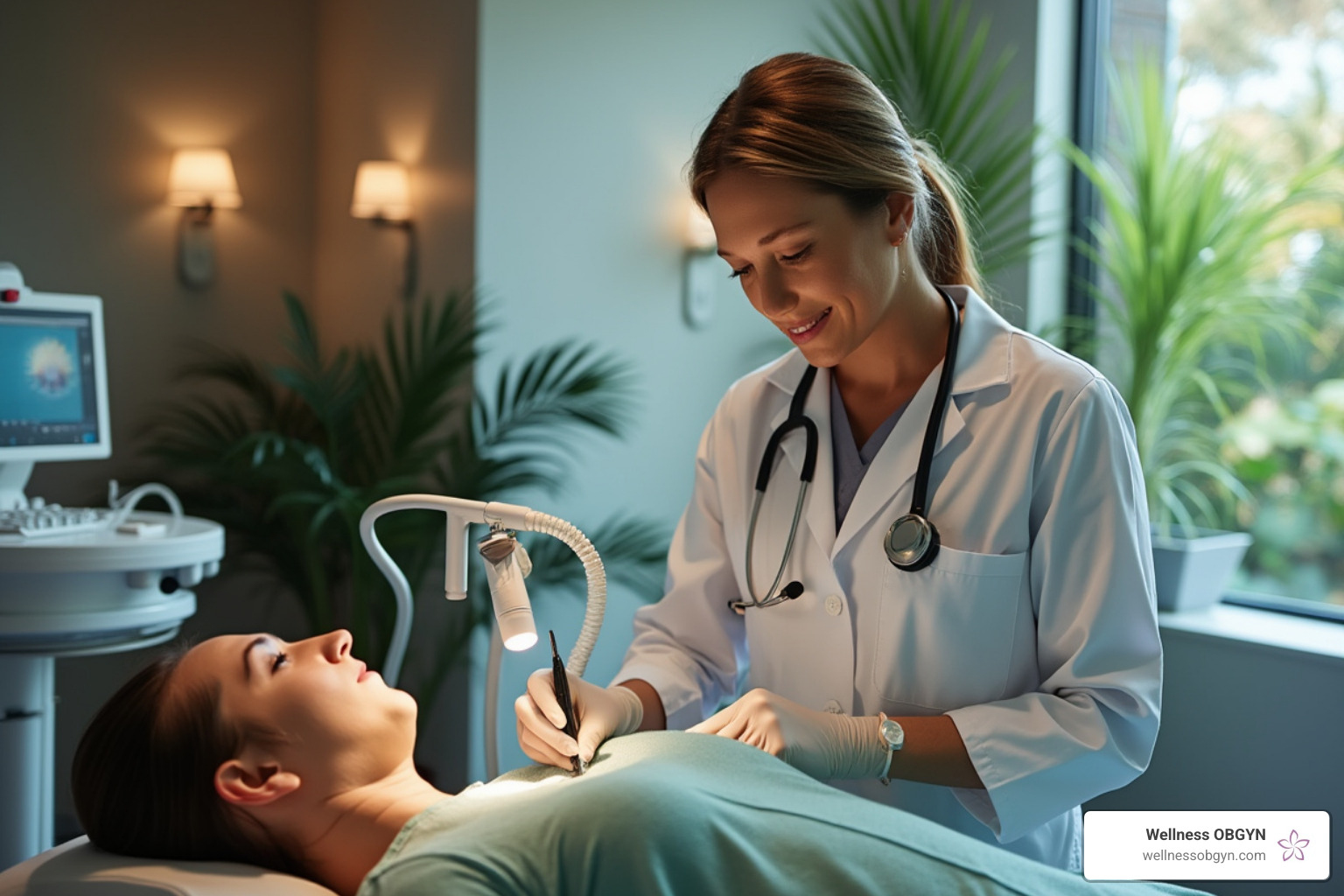
A women’s health doctor can diagnose endometriosis through a combination of medical history review, pelvic examination, and imaging studies. Ultrasound or MRI may reveal endometrial cysts or other abnormalities. Definitive diagnosis typically requires laparoscopy, a minimally invasive surgical procedure that allows direct visualization and biopsy of suspicious tissue.
Treatment options vary based on symptom severity, disease extent, and fertility goals. Hormone therapy aims to reduce or eliminate menstruation, thereby limiting the hormonal stimulation of endometrial tissue. Laparoscopy serves both diagnostic and therapeutic purposes by allowing surgeons to remove or destroy endometrial growths. This procedure can reduce pain and improve fertility.
Hysterectomy, the surgical removal of the uterus, represents a definitive treatment option for women who have completed childbearing and have not responded to conservative treatments. This procedure may include the removal of the ovaries if they contain extensive endometrial tissue. Hysterectomy provides permanent relief, though it requires careful evaluation due to its irreversible nature.
Treat Your Endometriosis
Managing endometriosis requires a comprehensive approach tailored to your specific symptoms and life goals. A women’s health doctor specializing in this condition can guide you through diagnostic testing and treatment options. Schedule an appointment to discuss your symptoms and explore treatment options.