

What to Expect During a Balloon Sinuplasty Procedure
December 3, 2025
What You Need To Know Before Cataract Surgery
December 3, 2025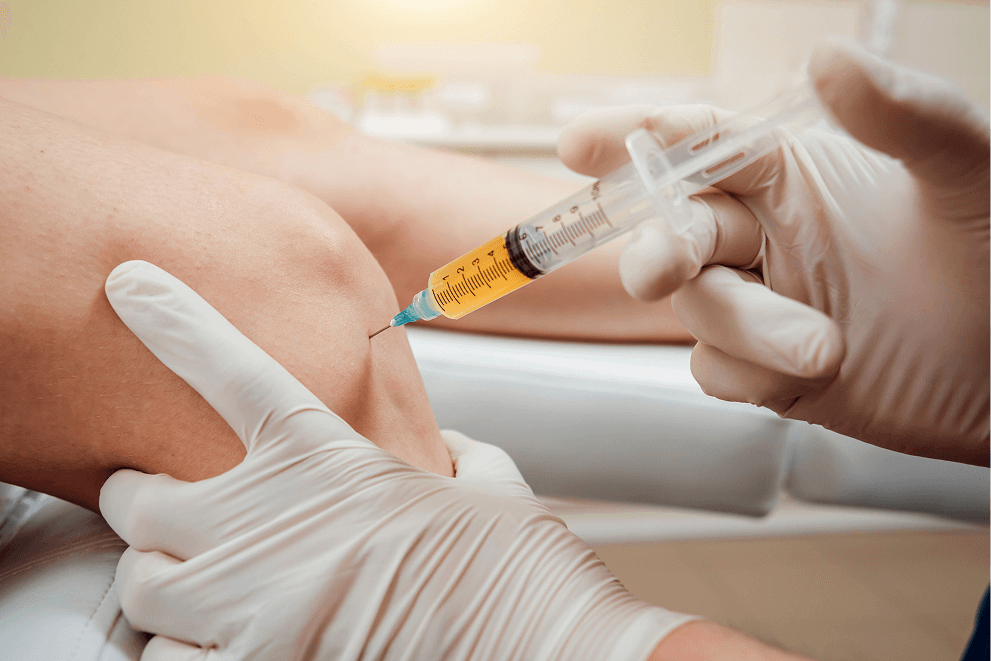
Platelet-rich plasma (PRP) injections are a treatment option that uses your body’s own substances, and it begins with a blood draw from your arm. After a blood draw, specialists process it to separate its components. The result is a concentration of platelets suspended in plasma, and a specialist injects them into the joint. Here is more information about the science behind PRP injections:
Containing Concentrated Platelets
A standard blood sample contains red blood cells, white blood cells, plasma, and platelets. Using a centrifuge, your blood is spun at high speeds, and this step separates the blood into layers based on density. The final PRP solution contains a much higher concentration of platelets than what is typically found in your bloodstream. This platelet-rich fluid becomes the basis for the injection.
Staff then prepares the concentrated platelet solution for injection. They draw the separated plasma, which is rich in platelets, into a syringe. Because the solution is from your own blood, the process is generally mild. The goal is to create a powerful concentration of your body’s natural healing components for direct application to the area of discomfort.
Delivering Growth Factors
Platelets are small blood cells known for their role in clotting, and they also contain hundreds of proteins called growth factors. When an injury occurs, platelets rush to the site to stop bleeding and begin the repair process. The growth factors they release send signals that help manage the body’s healing response.
These growth factors are key to the PRP process. By injecting a concentrated dose directly into a joint, these injections deliver the signaling proteins right where they are needed. Different growth factors perform various functions, such as:
- Building new tissue
- Recruiting other cells to the site
- Managing inflammation
Stimulating Healing
After specialists inject the PRP into the joint, the growth factors get to work. They signal local cells to begin a cascade of healing activities. The body’s response is complex, and it involves a series of coordinated cellular actions. This process is similar to what happens when you get a cut, but it targets the joint space.
The introduction of concentrated growth factors may stimulate tissue repair. While your body is constantly working to maintain itself, the injection provides a boost to these natural mechanisms. These growth factors may encourage the formation of new cartilage, ligaments, or tendons, though responses vary among individuals. The aim is to support the body’s own healing capabilities in a targeted way.
The local environment of the joint changes following the injection. New blood vessels may form, improving circulation to the area. Increased cellular activity can help clear damaged tissue and build new, healthy tissue. This stimulation is the foundation of PRP therapy.
Using Hematology Analyzers
To prepare PRP injections, staff follow a precise process. A hematology analyzer is a medical device that counts and characterizes blood cells. After the blood is drawn but before it is spun, the analyzer provides a baseline platelet count. This step helps the medical team understand your blood’s initial composition.
Schedule PRP Injections Today
PRP treatment uses your body’s own platelets and growth factors to support healing in a targeted area. From the initial blood draw to the final injection, each step is designed to create a concentrated healing solution. If you are experiencing joint pain and want to learn more, specialists can help. Contact a clinic to schedule a consultation and find out if PRP injections are a suitable option for you.