What Are the Causes and Treatments of Back Pain?
December 30, 2025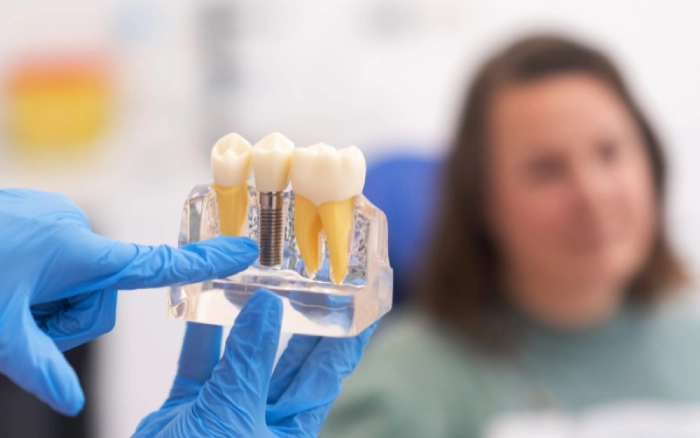
The Lifespan of Dental Implants
January 2, 2026
Primary care serves as the main point of contact for your healthcare needs, and it offers comprehensive and continuous medical services. To help in managing long-term conditions, a primary care provider, or PCP, gets to know you and your health history. This relationship is a foundation for managing chronic diseases effectively over time. Here is more information about primary care for chronic disease management:
Personalized Care Plans
Your PCP creates a health plan designed just for you. This plan addresses your specific chronic condition. The provider works with you to set achievable health goals, and they coordinate with specialists when needed. Developing a strategy that fits your lifestyle helps you manage your health day by day.
Continual Screenings
Regular screenings are a key part of chronic disease management, and your provider tracks your condition through routine tests. These tests offer valuable data about your health status. By monitoring these results, your PCP can identify changes in your condition before they become more serious. This allows for timely adjustments to your care plan.
Your provider will schedule screenings based on your specific health needs. As these screenings are tailored to the chronic disease being managed, you will receive guidance on when and how to complete these tests. This proactive approach helps keep your treatment on track, and it is responsive to your body’s changes.
Following a screening schedule is straightforward with a PCP’s guidance. They keep a record of your test history, and their office helps you remember upcoming appointments. Since this organized system removes guesswork, it lets you focus on your health. Consistent monitoring supports better management of your chronic condition.
Preventive Focus
A primary care provider also focuses on prevention, and they help you understand risk factors associated with your condition. This knowledge empowers you to make informed lifestyle choices. In some cases, your provider may offer guidance on diet or physical activity to support your overall well-being.
Preventive care also involves managing other health issues that could complicate your chronic disease. Because your PCP monitors your overall health, they are able to spot new problems early. This holistic view helps maintain your health, and it may reduce the risk of additional complications. Addressing potential issues before they advance is a practical approach to long-term wellness.
Managed Medications
Managing medications is a large part of handling a chronic illness. Your PCP oversees your prescriptions to make sure they are effective. They also monitor for side effects or interactions with other drugs. This oversight helps you follow your treatment plan safely.
Your provider will adjust medications as your condition changes, and they can modify dosages or prescribe different treatments when necessary. This process involves:
- Reviewing your current medication list at each visit.
- Explaining how and when to take each prescription.
- Answering any questions you have about your treatment.
This careful management supports the goals outlined in your personalized care plan, while keeping things organized.
Schedule Primary Care Services
Building a relationship with a primary care provider offers a structured approach to managing chronic disease. Through personalized plans, regular screenings, and preventive guidance, a PCP supports your long-term health. They coordinate your care and help you navigate the complexities of your condition. To start managing your chronic disease with dedicated support, contact a general practice to schedule an appointment.