
Understanding Shoulder Preservation for Athletes
September 5, 2025
The Connection Between Hypertension and Heart Disease
September 5, 2025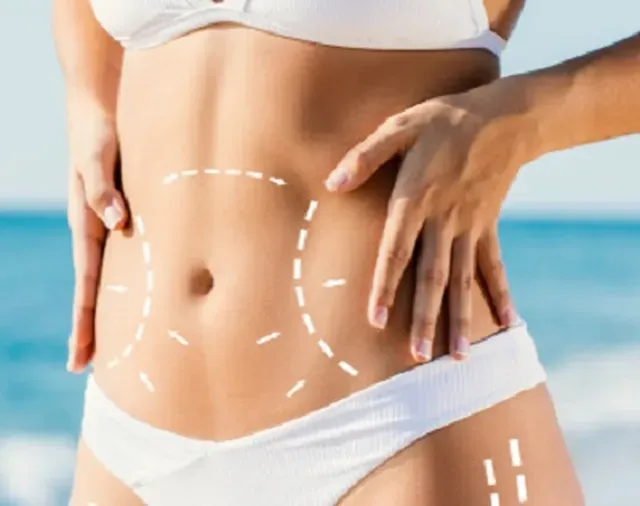
The journey of pregnancy brings incredible changes to your body. While you welcome a new life, you may notice lasting effects on your abdomen. For some, diet and exercise alone do not restore the pre-pregnancy abdominal shape. A tummy tuck, or abdominoplasty, is a procedure that addresses these physical changes. Understanding what this surgery entails can help you make informed decisions about your post-pregnancy body.
How Does Pregnancy Affect the Abdomen?
Pregnancy significantly alters the abdominal region to accommodate a growing baby. The abdominal muscles, particularly the rectus abdominis muscles, stretch and can separate. This condition is known as diastasis recti. When these muscles separate, the connective tissue that joins them thins out, which can create a bulge in the middle of the abdomen.
Skin also undergoes major changes. It stretches to cover the expanding belly, which may affect its elasticity. After delivery, the skin may not return to its former tautness, resulting in loose or sagging skin. The degree of these changes varies from person to person, influenced by genetics, the number of pregnancies, and overall skin quality.
What Does a Tummy Tuck Address?
A tummy tuck is designed to address specific physical changes that can remain after pregnancy and childbirth. The procedure targets the abdominal wall, removing excess skin and tightening the underlying muscles to create a firmer, smoother contour. It is a comprehensive approach for those seeking to restore their abdominal appearance.
This procedure can help with several common post-pregnancy concerns:
- Excess Skin: After the significant stretching that occurs during pregnancy, many people are left with loose, sagging skin around the midsection. A tummy tuck removes this extra skin, resulting in a flatter and more toned abdominal profile.
- Separated Abdominal Muscles (Diastasis Recti): The procedure can surgically repair the gap between the rectus abdominis muscles. Tightening these muscles helps to flatten the abdominal wall and improve the appearance of a persistent belly bulge.
- Stretch Marks: While a tummy tuck is not primarily a treatment for stretch marks, those located on the excess skin that is removed will be eliminated. Stretch marks on the remaining upper abdominal skin will be moved to a lower position.
These combined techniques work together to reshape the midsection. By addressing both skin and muscle, the procedure offers a solution for changes that often do not respond to traditional fitness routines or lifestyle adjustments.
Does Surgery Restore Core Strength?
A tummy tuck can have a positive effect on core function. When the procedure repairs diastasis recti, it reunites the separated abdominal muscles. This surgical tightening of the abdominal wall provides support that may have been lost during pregnancy. Restoring the integrity of these muscles can lead to improved stability in the torso.
A stronger core contributes to better posture and may help alleviate some types of back pain associated with weakened abdominal muscles. The strengthened muscle wall acts as an internal corset, supporting the spine and helping you stand taller. While the surgery itself is not a substitute for exercise, it can create a more functional foundation, making it easier to engage your core during daily activities and workouts.
Consult a Plastic Surgeon
After pregnancy, understanding changes in your body is the first step toward recovery. A tummy tuck may help address excess skin and muscle separation in the abdomen, restoring contour and core stability. This procedure is customized to fit your unique anatomy and goals for personalized results. Consulting with a board-certified plastic surgeon can provide clarity, offering expert guidance and information to help you make a confident decision about moving forward.