

Addressing Women’s Health Issues Through Regular Check-ups
October 20, 2025
What Does a Primary Care Doctor Do?
October 20, 2025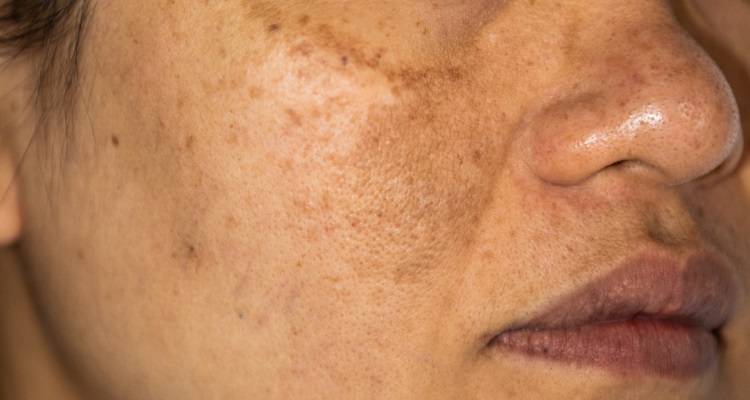
Hyperpigmentation affects people of all ethnicities and races, causing dark spots and uneven skin tone that impacts self-image and quality of life. Consulting with a qualified skin doctor provides access to professional diagnosis and evidence-based treatments that can effectively address hyperpigmentation issues. Here is more information on what skin doctors do, the nature of hyperpigmentation, and how medical professionals help restore the skin’s natural appearance:
What Is a Skin Doctor?
A dermatologist, also known as a skin doctor, specializes in diagnosing and treating conditions affecting the skin, hair, and nails. These medical professionals complete training in dermatology after earning their medical degree, and they possess deep knowledge of skin physiology and pathology. Dermatologists can identify various skin conditions through visual examination and diagnostic testing when necessary.
Skin doctors treat a wide range of conditions, including acne, eczema, psoriasis, skin cancer, and pigmentation disorders. They utilize both medical and cosmetic treatments to address patient concerns, and some dermatologists also perform surgical procedures when required. The field combines medical expertise with aesthetic knowledge to provide comprehensive skin care solutions.
What Are Hyperpigmentation Issues?
Hyperpigmentation refers to areas of skin that appear darker than the surrounding tissue due to excess melanin production. Melanin serves as the skin’s natural protection against ultraviolet radiation, but various factors can trigger overproduction in specific areas. This condition manifests in various forms, including age spots, melasma, post-inflammatory hyperpigmentation, and sun damage. The affected areas range from small, isolated spots to larger patches covering substantial portions of the face or body.
What Causes Hyperpigmentation?
Sun exposure represents the most common cause of hyperpigmentation, as UV radiation stimulates melanin production in the skin. Prolonged or repeated exposure without adequate protection leads to cumulative damage, manifesting as age spots and sun damage over time. Hormonal fluctuations, particularly during pregnancy or while taking oral contraceptives, may trigger melasma development.
Inflammatory skin conditions such as acne, eczema, or wounds can result in post-inflammatory hyperpigmentation once the initial condition resolves. Certain medications, including some antibiotics and chemotherapy drugs, may increase photosensitivity and contribute to pigmentation changes. Genetic predisposition also plays a role in determining individual susceptibility to developing hyperpigmentation.
How Can a Doctor Help?
Dermatologists begin the treatment process with a thorough skin examination and medical history review to determine the type and cause of hyperpigmentation. This assessment allows them to develop personalized treatment plans that address the specific condition and individual skin characteristics. Professional evaluation can distinguish between benign pigmentation and skin changes that require further investigation.
Treatment options available through dermatologists include topical medications that work to lighten existing pigmentation. Chemical peels remove damaged surface layers of skin to reveal more even-toned skin underneath, while laser treatments target melanin deposits with precision. Dermatologists can also recommend appropriate sun protection strategies and skincare routines to prevent future pigmentation issues.
Professional treatments typically produce more dramatic and faster results compared to over-the-counter options. Dermatologists monitor treatment progress and adjust protocols as needed to improve outcomes. They may combine multiple treatment modalities for enhanced effectiveness in addressing stubborn or extensive hyperpigmentation.
Schedule a Consultation Today
Hyperpigmentation may impact your appearance, but effective treatment options are available through qualified dermatologists. Professional evaluation allows for accurate diagnosis and personalized treatment planning that addresses your specific skin goals. Contact a dermatologist to schedule a consultation and take the first step toward achieving more even, radiant skin.


