
Understanding the Benefits of Dermal Fillers
December 4, 2025
The Role of Internal Medicine in Chronic Disease Management
December 10, 2025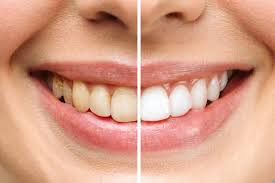
Tooth color changes for several reasons, and identifying the cause helps determine when teeth whitening is likely to work. Extrinsic stains accumulate on the enamel surface over time, while more internal changes may result from aging or internal tooth changes. Because each whitening method works differently, timing the treatment depends on both the stain type and the whitening goals. There are several types of whitening treatments, and here is more information about causes of discoloration, treatment types, and how they work:
Causes of Tooth Discoloration
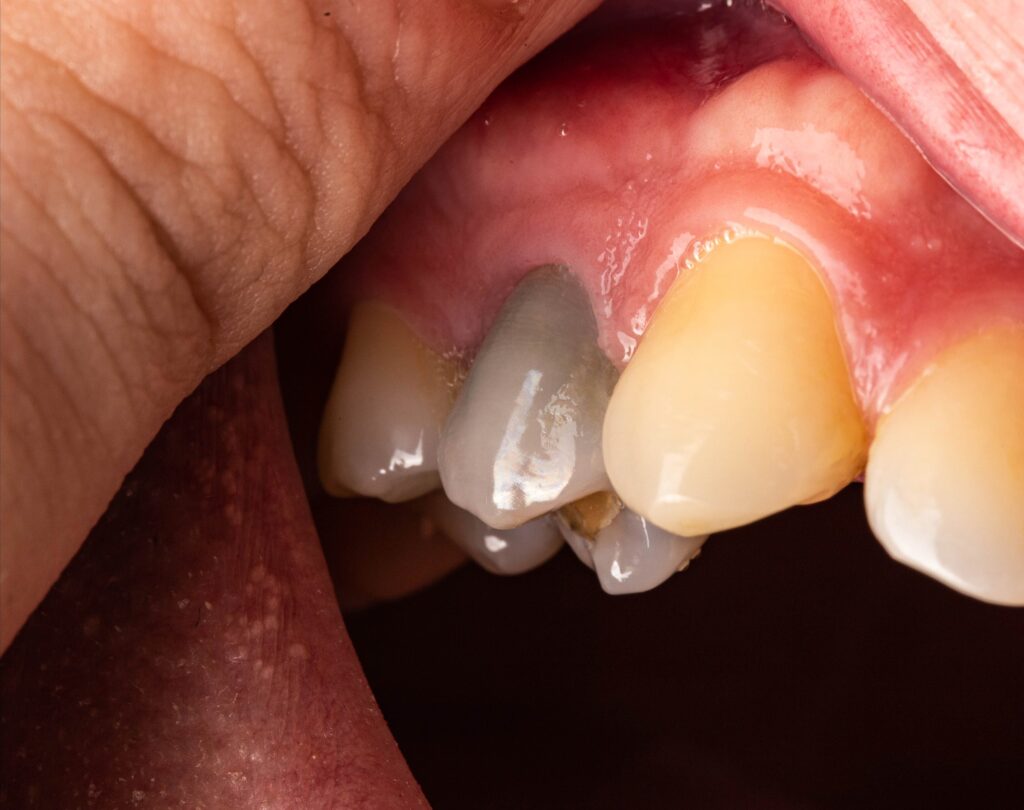
Extrinsic stains often develop when pigments from food, beverages, or tobacco settle into the outer enamel layer, and these stains usually respond well to teeth whitening agents. As enamel texture shifts with routine wear, surface roughness may also increase the appearance of discoloration. Intrinsic changes occur when the inner tooth structure darkens due to age, medication exposure, or past trauma. Because internal color shifts originate in the dentin, the layer beneath the enamel, whitening treatments may have a limited effect on many intrinsic stains.
Whitening outcomes vary because different stains respond differently to peroxide-based formulas. Extrinsic stains from coffee or tea often lighten predictably, and deeper surface staining may improve with repeated exposure to whitening gel. Internal discoloration linked to structural changes usually remains despite treatment, even with higher-concentration treatments. Understanding which category applies helps determine whether whitening should occur before or after other planned dental procedures.
Types of Teeth Whitening Treatments
Retail whitening products use lower concentrations of peroxide and brighten mild stains when used consistently. Strips and tray-style kits place gel in contact with tooth surfaces for short, repeated sessions, and this schedule affects how quickly shade changes appear. Because retail products fit less precisely, the gel may not contact every surface equally, which can limit shade uniformity. Teeth whitening methods in this category typically work best on recent extrinsic stains.
In-office whitening follows a different protocol, since higher concentrations are applied under direct supervision. Providers protect the gums, place the gel, and monitor exposure time. This approach reduces the number of visits required and may produce noticeable shade changes more quickly than retail products. Because concentration levels are higher, the timing of these treatments depends on enamel condition and history of sensitivity. Teeth whitening methods performed in-office often target stains that require more controlled exposure.
Professional at-home whitening uses custom trays that evenly distribute the gel to the enamel. These trays hold a higher-strength formulation than retail kits, and they are worn according to a structured schedule. Because the trays fit closely, the gel remains in place throughout the session, resulting in more consistent shade changes. This method works well for gradual whitening.
Explore Your Teeth Whitening Options
Choosing when to begin whitening depends on the stain origin, enamel condition, and preferred treatment method. Retail, in-office, and professional at-home options offer different strengths, and their timing varies based on how quickly shade changes are expected. For more information about teeth whitening and the various options available to you, consult your dental provider.