
3 Things To Know About Childbirth and OBGYNs
October 14, 2025
What to Expect During Your First Prenatal Appointment
October 14, 2025
Certain dental situations can occur unexpectedly, requiring quick attention from a professional. Emergency Dentistry addresses these urgent issues, which can involve sudden pain or trauma. Understanding what constitutes a dental emergency can provide valuable guidance in these stressful moments. Seeking professional care is beneficial for addressing these issues and managing dental health.
Fix a Cracked Tooth
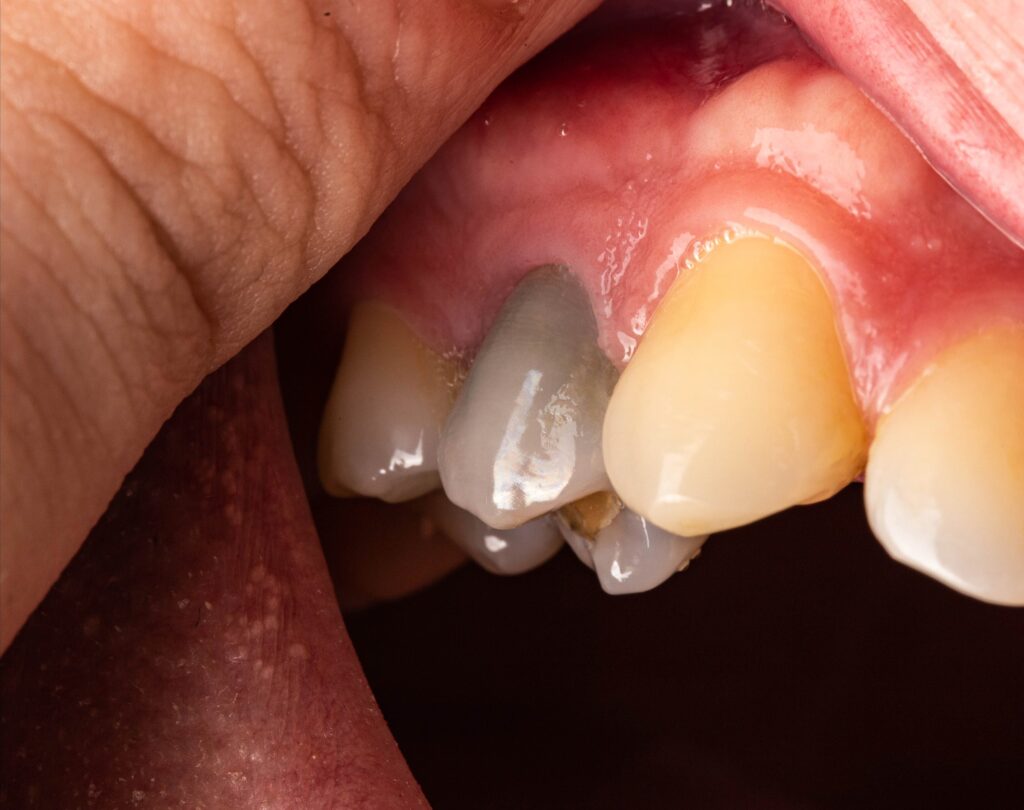
A cracked tooth can come from hard food, injury, or gradual wear and may range from minor cosmetic issues to deep fractures exposing the tooth’s pulp. Emergency Dentistry services assess the damage through a visual exam and possibly X-rays to determine the best treatment. Minor cracks may be repaired with bonding, while more severe cases might require a crown to restore and protect the tooth. If the crack reaches the pulp, a root canal may be needed before placing a crown.
Relieve Severe Tooth Pain
Severe, persistent tooth pain should not be ignored. It often points to an underlying issue requiring professional evaluation. This discomfort can stem from deep decay, an infection or abscess, or tooth trauma. A dentist’s primary goal is to identify the source of the pain and provide relief. The examination process typically involves a thorough inspection of the affected area and diagnostic imaging.
Based on the diagnosis, the dentist will outline a plan. If an abscess causes pain, a dentist may need to drain it and address the infection. If tooth decay reaches the nerve, a root canal removes infected pulp. This can save the natural tooth. By treating the root cause, a dentist can alleviate the pain and prevent further complications.
Save a Knocked-Out Tooth
A knocked-out tooth is a significant dental emergency requiring immediate action for the best outcome. If a permanent tooth is completely dislodged, carefully handle it by the crown, gently rinse it if it’s dirty, and reinsert it into the socket if possible. If reinsertion isn’t feasible, preserve the tooth by placing it in milk or saliva and transporting it immediately to the dentist. Upon arrival, the dentist will examine the tooth and socket, reposition the viable tooth, and stabilize it with a splint for several weeks to allow reattachment. Follow-up appointments are beneficial to monitor healing.
Replace a Lost Filling
When a filling falls out, it can expose the sensitive inner part of the tooth, causing pain and increasing the risk of decay. A filling might become loose due to new decay, pressure from chewing, or the natural aging of the material. If you lose a filling, a dentist will take the following steps to address the issue:
- Assess the tooth: The dentist will clean the area and examine the tooth to understand why the filling came out.
- Remove any decay: If new decay has formed, it will be carefully removed to create a clean surface for the new restoration.
- Place a new filling: If the tooth is otherwise healthy, a new filling is placed to seal the tooth and restore its protective barrier.
- Recommend a crown: If a significant portion of the tooth is damaged or lost, a dental crown may be recommended as a more durable, long-term solution to provide greater support and protection.
Turn to Emergency Dentistry for Care
When faced with a dental emergency, seeking timely professional care is a step toward a positive resolution. An emergency dentistry professional has the tools and skills to properly assess the situation, from a cracked tooth to severe pain, and recommend an appropriate course of action. Prompt evaluation can help manage discomfort and address the underlying cause of the issue. If you are having a dental emergency, you can schedule an appointment with a dentist for an assessment.