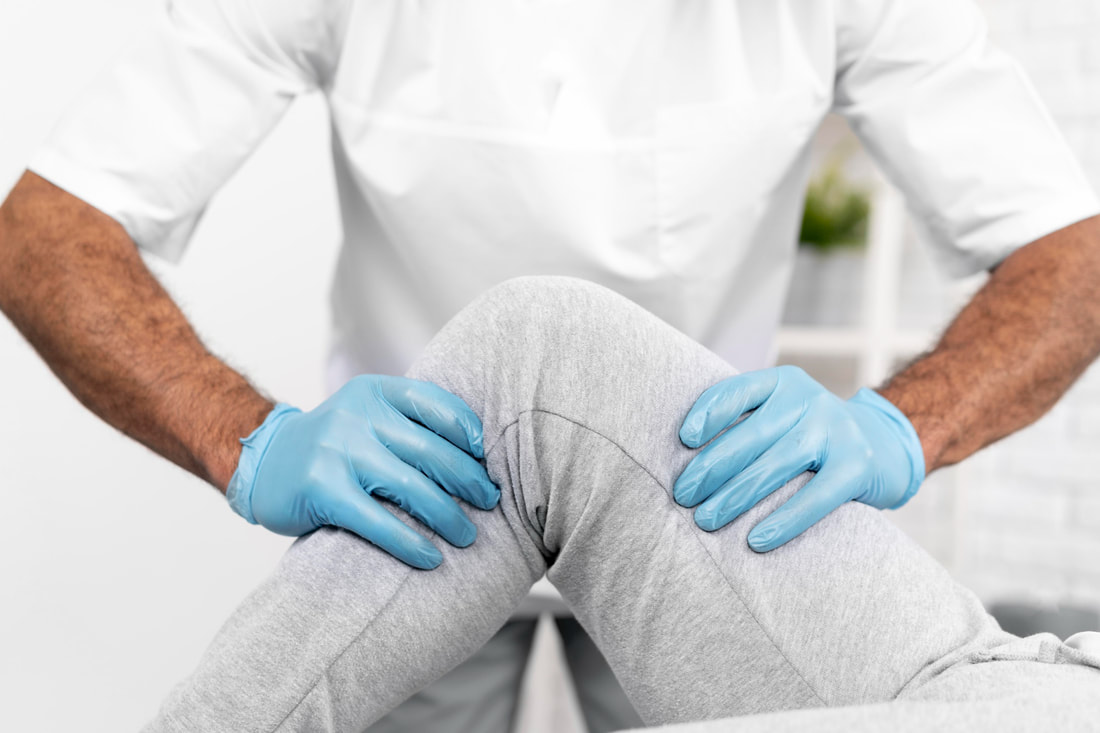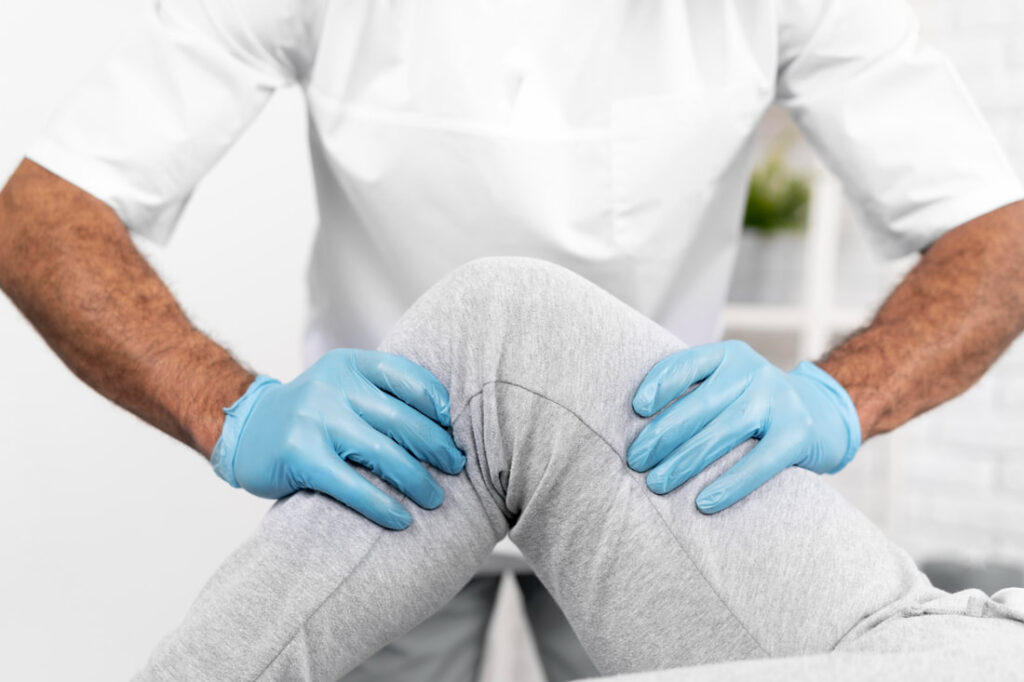

The Role of Orthopedics in Joint Health
October 28, 2025
Why Moms Opt for Mommy Makeovers
October 28, 2025
Musculoskeletal problems affect many people, causing pain and limiting mobility in daily activities. Orthopedic medicine specializes in diagnosing and treating these conditions, and understanding your options can help you make informed decisions about your care. Here is more information about orthopedic treatments, procedures, and benefits for patients evaluating this medical specialty:
What Is Orthopedics?
Orthopedics is a medical specialty focused on the diagnosis, treatment, and prevention of disorders affecting the musculoskeletal system. This system includes bones, joints, muscles, ligaments, tendons, and nerves, and orthopedic physicians are trained to address both acute injuries and chronic conditions. The field encompasses both surgical and non-surgical treatment approaches.
Orthopedic specialists undergo training to understand complex anatomical structures and their interactions. They work with patients of various ages, from pediatric cases involving growth-related issues to geriatric patients dealing with age-related degeneration. Practitioners assess multiple variables when developing treatment strategies, including patient age, activity level, overall health status, and treatment goals, thereby optimizing outcomes.
What Are the Available Procedures?
Orthopedic medicine offers a wide range of treatment options, from conservative management to advanced surgical interventions. Total joint replacement is a standard orthopedic procedure that involves removing damaged joint surfaces and replacing them with artificial components. Minimally invasive treatments help reduce tissue damage and recovery times. Arthroscopic surgery allows surgeons to visualize and treat joint problems through small incisions using specialized instruments.
Platelet-rich plasma (PRP) therapy is a regenerative treatment option for various orthopedic conditions. This procedure involves concentrating platelets from the patient’s blood and injecting them into injured tissues, and the growth factors in PRP help promote healing and tissue regeneration. PRP may be used for tendon injuries, arthritis, and muscle strains.
What Conditions Does Orthopedics Treat?
Orthopedic specialists treat a diverse range of musculoskeletal conditions affecting patients throughout their lives. Arthritis represents one of the most common conditions, including osteoarthritis, rheumatoid arthritis, and other inflammatory joint diseases. Sports injuries frequently require orthopedic care, ranging from acute traumatic injuries to overuse conditions. Degenerative spine conditions affect many adults and can cause significant pain and disability.
What Does the Process Involve?
The treatment process typically begins with a comprehensive evaluation, including medical history and physical examination. Diagnostic imaging studies such as X-rays, MRI, or CT scans may be ordered to visualize internal structures, and these tests help confirm the diagnosis and guide treatment planning. Laboratory tests may also be necessary for certain conditions.
Treatment planning involves discussing available options with patients and evaluating their preferences and goals. Conservative treatments are often attempted first, including physical therapy, medications, and activity modifications. Surgical intervention is an option when conservative measures fail to provide adequate relief. Regular follow-up appointments allow for monitoring progress and adjusting treatment plans as needed.
What Are the Benefits?
Orthopedic treatment offers significant benefits for patients suffering from musculoskeletal conditions. Some patients may experience a substantial reduction in pain levels, allowing them to resume regular daily activities. Improved mobility and function are major advantages of orthopedic care, as patients may regain the ability to walk, climb stairs, and participate in recreational activities without limitation. Long-term preservation of joint function is another benefit of timely orthopedic intervention.
Explore Available Treatment Options Now
Orthopedic medicine provides comprehensive solutions for a wide range of musculoskeletal conditions through both surgical and non-surgical approaches. Understanding the available procedures, conditions treated, and treatment processes helps patients make informed decisions about their care, with benefits that extend beyond pain relief to include improved function and quality of life. Schedule an evaluation to discuss your symptoms and explore personalized treatment options that align with your goals and lifestyle needs.