
4 Different Toe Issues a Foot Doctor can Treat
October 8, 2025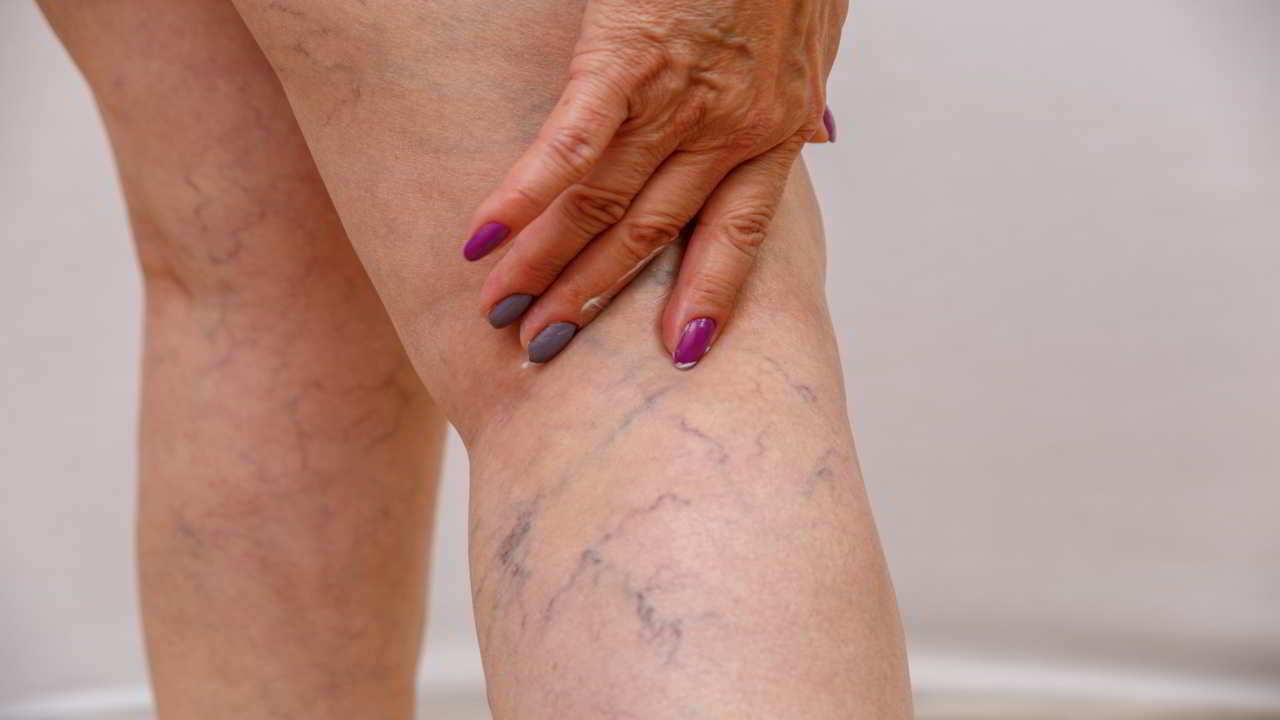
Understanding Varicose Veins and How To Treat Them
October 8, 2025
Sports medicine focuses on helping individuals enhance their athletic performance, recover from injuries, and prevent future injuries. This field of medicine also treats a wide range of musculoskeletal conditions, employing various techniques to manage pain and improve function. Regenerative methods use the body’s healing to repair tissue. Here is more information about the conditions that can be treated in this field:
Degenerative Disc Disease
Degenerative disc disease causes spinal discs to degrade, and it typically begins with changes to the structure. The discs, which act as shock absorbers between the vertebrae, can dry out and crack as a person ages. This deterioration may lead to increased problems, and it can cause the following complications:
- Pain that gets worse with sitting.
- Weakness that gets worse.
- Numbness that won’t go away.
- Need to change positions constantly.
Spinal Stenosis
Spinal stenosis narrows the spaces within the spine, and this can put pressure on the nerves that travel through it. While some people are born with a small spinal canal, it typically occurs when an event narrows the open space within the spine. Osteoarthritis may be a cause of this condition.
The nerve compression that results can produce symptoms such as pain, cramping, or numbness in the legs and back. It is typically seen in the lower back and neck, although it can also occur in other parts of the spine. Sports medicine options range from physical therapy and medications to surgical interventions in more severe cases.
Painful Sciatica
Sciatica refers to pain that radiates along the path of the sciatic nerve. Because the sciatic nerve branches from the back and down each leg, sciatica typically affects only one side. A herniated disc or a bone spur on the spine can compress part of the nerve, and this compression causes inflammation, pain, and some numbness in the affected leg.
Chronic Arthritis
Chronic arthritis is characterized by persistent joint inflammation, resulting in pain and stiffness. Osteoarthritis, a typical form, results from the breakdown of cartilage in joints over time. This condition can affect the hands, knees, hips, and spine.
Rheumatoid arthritis is another form of chronic arthritis. It is an autoimmune disorder where the immune system mistakenly attacks the body’s own tissues, which is the lining of the membranes that surround the joints. This attack causes painful swelling that can ultimately lead to bone erosion and joint deformity.
Symptoms of chronic arthritis include joint pain, swelling, and reduced range of motion. The management of arthritis focuses on relieving symptoms and improving joint function, and treatment plans are tailored to the specific type of arthritis and the patient’s individual needs. These plans may involve physical therapy, medication, or other medical procedures aimed at reducing inflammation and preserving joint health.
Get Treated With Sports Medicine
Regenerative medicine is one area of practice that focuses on the body’s natural ability to heal itself. People experiencing musculoskeletal pain can find information on different treatment options. Schedule a consultation to discuss your specific condition and learn about available treatment pathways.