
Why Moms Opt for Mommy Makeovers
October 28, 2025
Recognizing the Signs and Symptoms of Depression
October 29, 2025
Dental restorations repair or replace teeth that are damaged, decayed, or missing. Some common and effective solutions are crowns and bridges, which serve distinct but related purposes in restoring oral function and appearance. Here’s information on dental crowns and bridges and their advantages:
What Are Bridges?
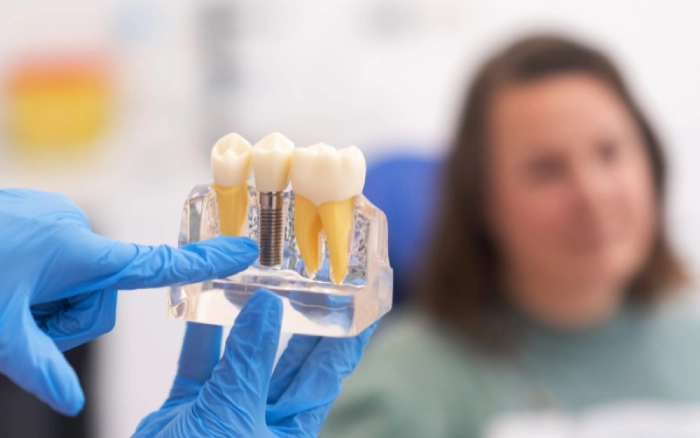
A dental bridge is a fixed restoration that replaces one or more missing teeth. It works by joining an artificial tooth, known as a pontic, to adjacent teeth or dental implants. These adjacent teeth, called abutments, serve as anchors to hold the bridge securely in place. The entire structure spans the gap left by a missing tooth, creating a complete and functional dental arch.
There are several types of dental bridges available, such as:
- Traditional Bridges: This is the most common type of bridge, and it involves bonding crowns to the teeth on either side of the missing tooth area. These crowns on the natural teeth support the artificial middle tooth or teeth.
- Implant-Supported Bridges: These bridges are secured by dental implants, which are surgically placed into the jawbone. This option is often used when three or more teeth are missing.
- Maryland Bridges: A Maryland bridge uses a metal or porcelain framework that is bonded to the back of the adjacent teeth, so it does not require placing crowns on the abutment teeth.
- Cantilever Bridges: These are used when there are adjacent natural teeth on only one side of the missing tooth or teeth area. A cantilever bridge is anchored to just one abutment tooth.
What Are the Benefits of Bridges?
Dental crowns and bridges offer several functional and aesthetic advantages for individuals with missing teeth. An appropriate dental bridge can help restore the mouth to a more optimal state of function. Bridges can help restore proper chewing and speaking, maintain facial shape, and distribute bite forces more evenly. They help prevent remaining teeth from drifting out of position, and provide a restoration that matches the color and contour of an individual’s natural teeth.
What Are Crowns?
A dental crown is a custom-fabricated cap that’s placed over an entire tooth. It is designed to encase a damaged or compromised tooth, restoring its shape, size, strength, and appearance. Crowns are a versatile restorative solution used in a variety of dental circumstances.
How Dental Crowns Work
A dental crown has two primary components: the prepared tooth structure, which serves as its foundation, and the crown itself, which is the visible restoration. Crowns are made from various materials, based on the tooth’s location, the patient’s preference, and functional requirements. Some common crown material options include:
- Porcelain-fused-to-metal (PFM) Crowns
- Pressed Ceramic Crowns
- All-ceramic or Porcelain Crowns
- All-resin Crowns (Commonly for Temporary Crowns)
- Metal Alloy Crowns
What Crown Procedures Entail
The process for placing a dental crown typically involves a few key steps. It begins with a thorough evaluation and preparation of the tooth, which may involve removing decayed or damaged portions. An impression or digital scan of the tooth is then taken and sent to a dental laboratory for the fabrication of the permanent crown.
A temporary crown is usually placed to protect the tooth while the permanent one is being made. In some practices, same-day crowns can be created using CAD/CAM technology. Once the customized crown is ready, the dentist carefully fits and permanently cements it into place.
What Are the Benefits of Crowns?
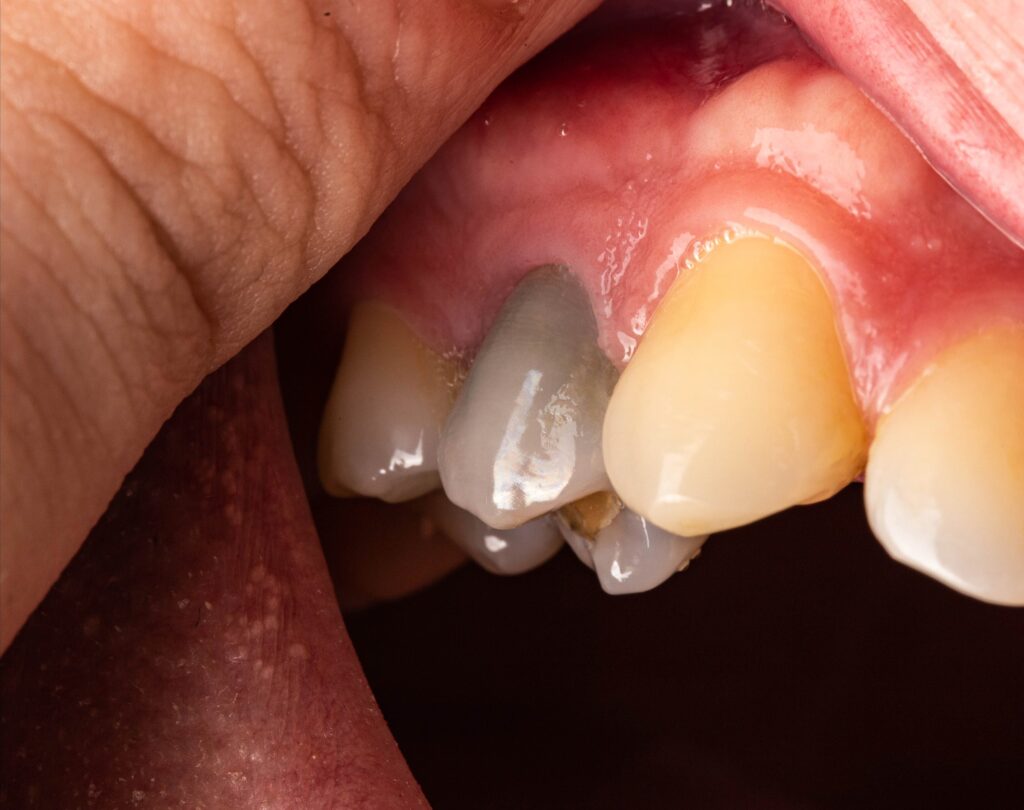
Crowns provide comprehensive coverage for a tooth, offering a range of benefits. Crowns can restore a tooth that is severely worn down or broken, and they may also cover misshapen or severely discolored teeth to improve appearance. They can cover and support a tooth with a large filling when there isn’t much natural tooth left.
Learn More About Crowns and Bridges
Both crowns and bridges restore dental health and function. Each solution is tailored to specific needs, from protecting a single damaged tooth to replacing one or more missing teeth. To learn which dental restoration can benefit your smile, contact a dental professional for a consultation. A qualified professional provides a comprehensive evaluation to determine the best restoration for your condition.