
A Deep Dive into the Field of Cardiology
October 28, 2025
Recognizing the Signs of a Sports Injury
October 28, 2025
Dental cavities, also known as tooth decay or caries, are a widespread concern in oral health. They form when the hard surfaces of teeth develop damaged spots that gradually turn into small holes. Exploring the key aspects of cavities can help support long-term oral hygiene; understanding how they form, what symptoms to watch for, and how to prevent them is key. Here are several questions and answers about cavities:
What Are Dental Cavities?
Cavities develop when bacteria in the mouth produce acids that gradually erode the hard outer enamel of the teeth. In the earliest stages, cavities may form silently without noticeable symptoms, but as decay advances, individuals often experience sensitivity, discomfort, or visible holes. Bacteria interact with sugars and starches from food, and they release acids that wear down the enamel over time. If this process continues unchecked, the damage can reach deeper layers such as dentin and pulp, leading to pain and possible infection.
Tooth decay primarily results from plaque, a sticky bacterial film that constantly forms on tooth surfaces, combining with sugars and starches from foods and drinks. When these bacteria metabolize carbohydrates, they produce acids that weaken enamel, and repeated exposure accelerates the breakdown. Poor oral hygiene allows plaque to accumulate and harden into tartar, which is more challenging to remove and increases the likelihood of cavities. Eating patterns also matter; frequent snacking on sweets or sipping sugary beverages keeps acid levels high, and it gives bacteria more opportunity to cause harm.
Fluoride plays a protective role. It strengthens enamel and helps the tooth resist acid damage. Regular brushing with fluoride toothpaste and limiting sugary foods can reduce the risk of decay, and these preventive steps work best when combined with routine dental checkups.
What Are the Signs of Cavities?
While only a dental professional can make a definitive diagnosis, certain signs may indicate the early stages of tooth decay. Increased sensitivity to hot, cold, or sweet foods often signals that a tooth’s enamel is weakening, and lingering discomfort suggests that decay has reached deeper layers. Some individuals experience sharp pain when biting or chewing. This pain can come and go depending on the extent of the damage.
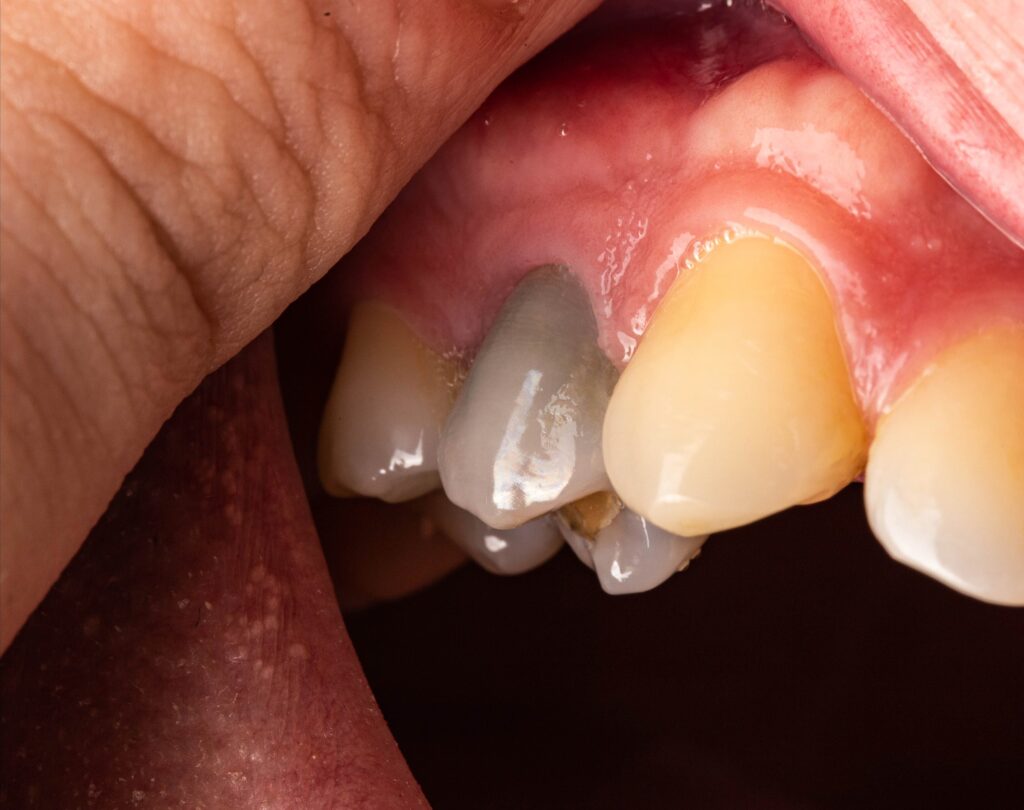
Visible changes are also common, appearing as small pits, holes, or discoloration on the tooth’s surface. Early cavities may show up as white spots that later darken to brown or black as decay progresses. Staying alert to these subtle differences supports early detection, and consistent monitoring of new or worsening symptoms helps protect long-term oral health.
How Can You Prevent Cavities?
Managing cavities involves several key habits, including brushing teeth twice daily with fluoride toothpaste, which represents a fundamental part of daily care. This practice removes plaque and reduces the presence of harmful bacteria. Flossing offers additional protection; it clears food debris and plaque from between the teeth and beneath the gumline. These are areas toothbrushes may struggle to reach. Limiting sugary and acidic foods or drinks decreases the chance that acids linger on the teeth. Rinsing your mouth with water after eating can help remove residual particles and balance mouth acidity. Visiting a dental professional for routine assessments and cleanings is also beneficial; it helps identify and address areas of concern before they escalate.
Schedule Regular Dental Visits
Understanding cavities requires knowing how they form, what factors increase risk, and which preventive strategies are effective. Practicing good oral hygiene and observing changes in your teeth support long-term dental health, and regular dental checkups help catch problems early. Dentists create tailored care plans, including treating cavities with fillings or crowns. Contact a dental professional at the first sign of new symptoms to promote timely management.