Common Causes and Treatments for a Sprained Ankle
October 24, 2025
Effective Home Remedies for Removing Warts Safely
October 24, 2025
Traumatic injuries to the mouth or jaw can cause significant damage to teeth, gums, and surrounding structures. Whether resulting from accidents, sports, or falls, these injuries can lead to pain, tooth loss, and long-term oral health issues if not treated promptly. Here’s an overview of the impact of traumatic injuries on your oral health and the treatments that can aid recovery:
Effects of Traumatic Oral Injuries
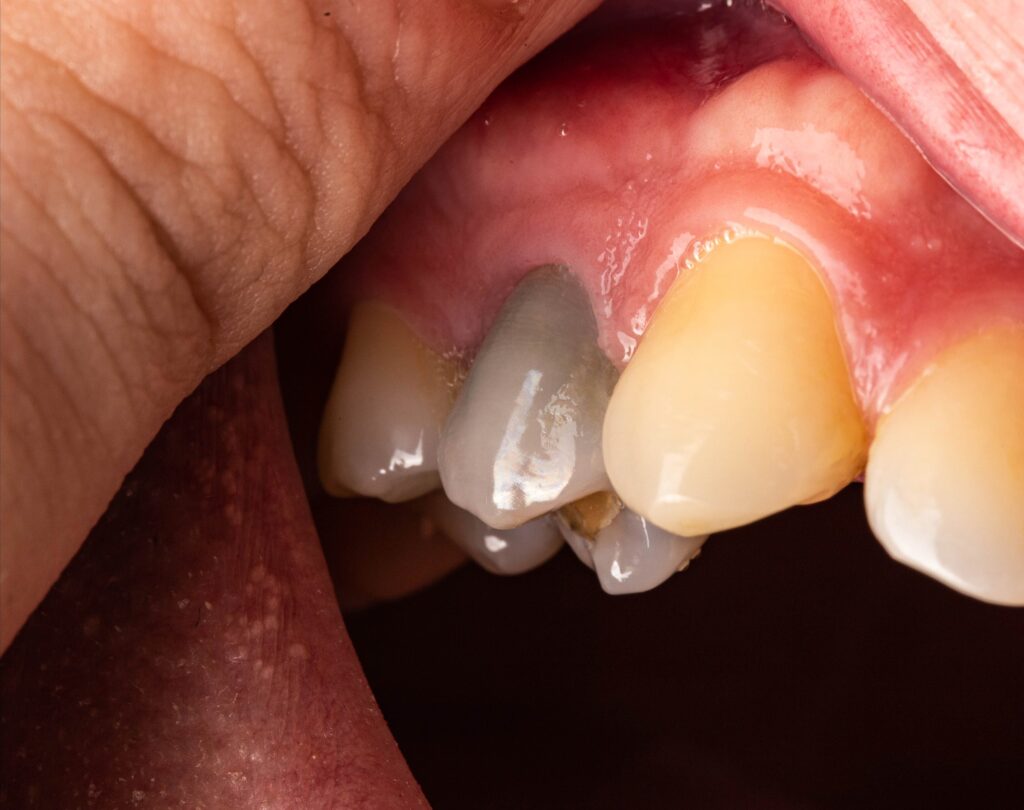
Traumatic injuries to the mouth can vary from minor chips to severe injuries like a dislodged or completely knocked-out tooth. A direct blow to the face during a sports activity, a car accident, or a simple fall can lead to physical trauma. The effects include cracked teeth, damage to the soft tissues of the mouth, or harm to the tooth’s inner pulp. If left untreated, these injuries can lead to infection, tooth loss, and other significant oral health issues.
Response Steps
Traumatic oral injuries require swift and precise action to minimize complications and improve outcomes. Here are key steps to take immediately following such an injury:
- Control bleeding: Use a clean cloth or sterile gauze to apply gentle pressure to the injured area to stop or minimize bleeding.
- Preserve the tooth: If a tooth has been dislodged or avulsed, gently rinse it with saline or clean water without scrubbing.
- Avoid touching the root of the tooth: Always handle a dislodged or avulsed tooth by the crown to prevent damage to the delicate root and surrounding tissue.
- Reduce swelling: Apply a cold compress to the affected area to manage swelling and alleviate pain.
- Seek immediate dental care: Contact a dentist or visit an emergency dental clinic as soon as possible.
Following these steps can enhance the prognosis of your traumatic oral injuries.
Treatment Options and Procedures
When addressing traumatic injuries, several treatment options are available depending on the nature and severity of the injury. Here are the key approaches commonly employed:
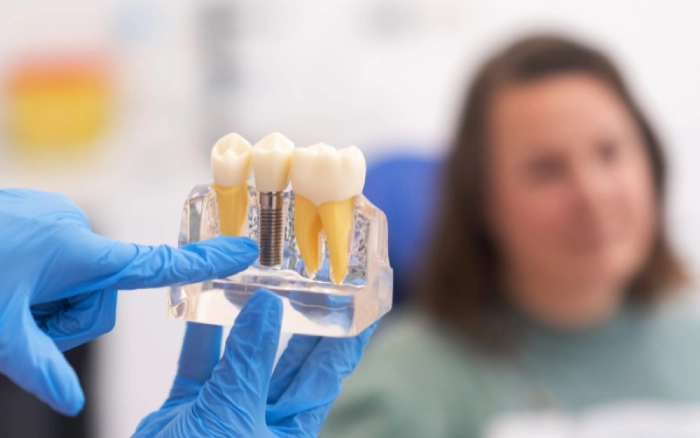
- Repositioning and Stabilization: For dislodged or misaligned teeth, careful repositioning and stabilizing with a splint or dental brace are often necessary to promote healing and restore function.
- Root Canal Therapy: If the dental pulp is compromised, root canal treatment may be required to remove infected tissue and preserve the tooth.
- Surgical Intervention: Severe injuries, such as fractures or significant soft-tissue damage, may require surgical reconstruction of the affected area.
- Dental Restorations: Repairs for chipped or broken teeth are performed using crowns, veneers, or composite bonding to restore function and aesthetics.
- Medication Management: Antibiotics, analgesics, and anti-inflammatory medications are commonly prescribed to manage infection, pain, and swelling.
Consult a dental professional to determine the appropriate course of action.
Recovery and Prevention Strategies
Following treatment for traumatic injuries, long-term care is fundamental for a successful recovery. This includes attending follow-up appointments to monitor healing and making sure the treated tooth is functioning correctly. Maintaining excellent oral hygiene is also helpful in preventing infection and supporting the healing process.
Preventing future injuries is another key aspect of long-term oral health. For athletes, wearing a custom-fitted mouthguard can provide significant protection against physical trauma. Avoiding habits like chewing on hard objects can also reduce the risk of cracking or breaking teeth. Regular dental check-ups allow your dentist to identify potential issues early and provide guidance on preventive measures.
Schedule Your Traumatic Injuries Evaluation
Traumatic injuries require prompt and expert care to achieve the best possible outcome. Understanding the correct steps to take immediately and seeking professional treatment can make all the difference in saving a tooth and maintaining your oral health. Contact a trusted endodontic specialist near you to schedule an evaluation and learn more about your treatment options today.