Understanding Varicose Veins and How To Treat Them
October 8, 2025
When To See a Primary Care Physician
October 8, 2025
Vein specialists are medical doctors who diagnose and treat disorders of the veins. When you see a specialist for varicose veins, they can guide you through a structured process to evaluate and address your condition. This process typically starts with a detailed examination and moves through specific procedures designed to treat the affected veins. Here is what happens during varicose vein treatment:
Vein Examination
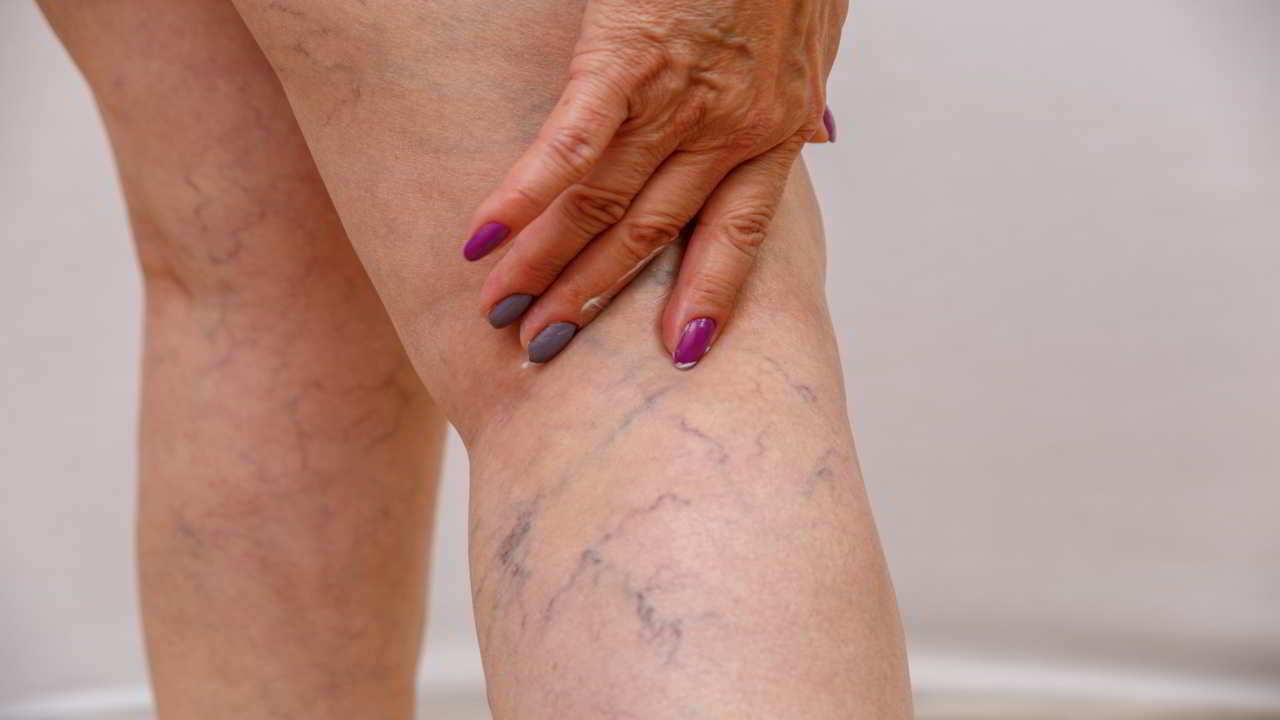
Your initial appointment may involve a review of your medical history, and the specialist may also perform a physical examination. If your symptoms suggest a disorder, the vein specialist will look for signs like swelling, skin discoloration, and visible varicose veins. A physical examination helps the doctor identify the location and extent of the problem. It may involve these steps:
- Medical history review: Discussing symptoms, family history of vein conditions, and any lifestyle factors.
- Physical examination: – Inspecting the legs for swelling, discoloration, and visible veins.
- Comprehensive risk assessment: Evaluating potential complications or factors that may worsen the condition.
Various Ultrasound Imaging
Ultrasound imaging is a key diagnostic tool that uses sound waves to create images of your veins. Vascular ultrasound specifically looks at the body’s circulatory system, and it helps detect blood clots or blockages within the veins. This non-invasive test provides a clear picture of your vein structure and function.
Another type of imaging is the Doppler ultrasound. The specialist uses this technique to evaluate blood flow through your vessels, and it measures both the speed and direction of the blood. This information reveals how well your vein valves are working.
A duplex ultrasound combines traditional ultrasound imaging with Doppler ultrasound. This integrated test creates a color-coded map of your veins, so the specialist can observe the vein structure and blood flow simultaneously. Duplex ultrasounds, which provide a comprehensive view, are useful for planning treatment.
Radiofrequency Ablation
Radiofrequency ablation (RFA) is a procedure used to close off a diseased vein. During RFA, a small catheter is typically inserted into the vein, delivering radiofrequency energy that heats and causes the vein wall to collapse. Your body then naturally reroutes blood flow through healthier veins nearby, as part of its process to optimize circulation.
The procedure is typically performed in an office setting. The specialist may apply a local anesthetic to numb the area around the vein before they make a small incision to insert the catheter. While you may feel some mild pressure during the insertion, the process is generally managed with local numbing.
Follow-up Care
After the procedure, you will receive specific instructions for your recovery period. Follow-up care may include wearing compression stockings for a set amount of time, and you may be encouraged to walk regularly. These actions help manage circulation as you heal. Your specialist will schedule a follow-up appointment to monitor your progress. This appointment typically involves another ultrasound to check the treated vein. The specialist will confirm that the vein is closed and that your blood is flowing correctly through other nearby veins.
Find a Vein Specialist Today
Understanding the steps involved in varicose vein treatment can help you prepare for your appointments. From the first examination to the final follow-up, each phase has a specific purpose in addressing your vein health. If you have symptoms of varicose veins, see a vein specialist and discuss treatment options..