
Symptoms, Causes, and Treatment Options for Cataracts Explained
October 27, 2025
How Regular Exercise Can Help Prevent Stroke
October 28, 2025
Dental fillings are a standard restorative treatment for teeth affected by decay, and the procedure involves removing damaged tissue while placing a durable material to protect the tooth. This process restores normal function and helps maintain the tooth’s natural shape and strength. Regular care afterward supports long-term results and overall oral health. Here is everything you may need to know about dental fillings:
Dental Fillings
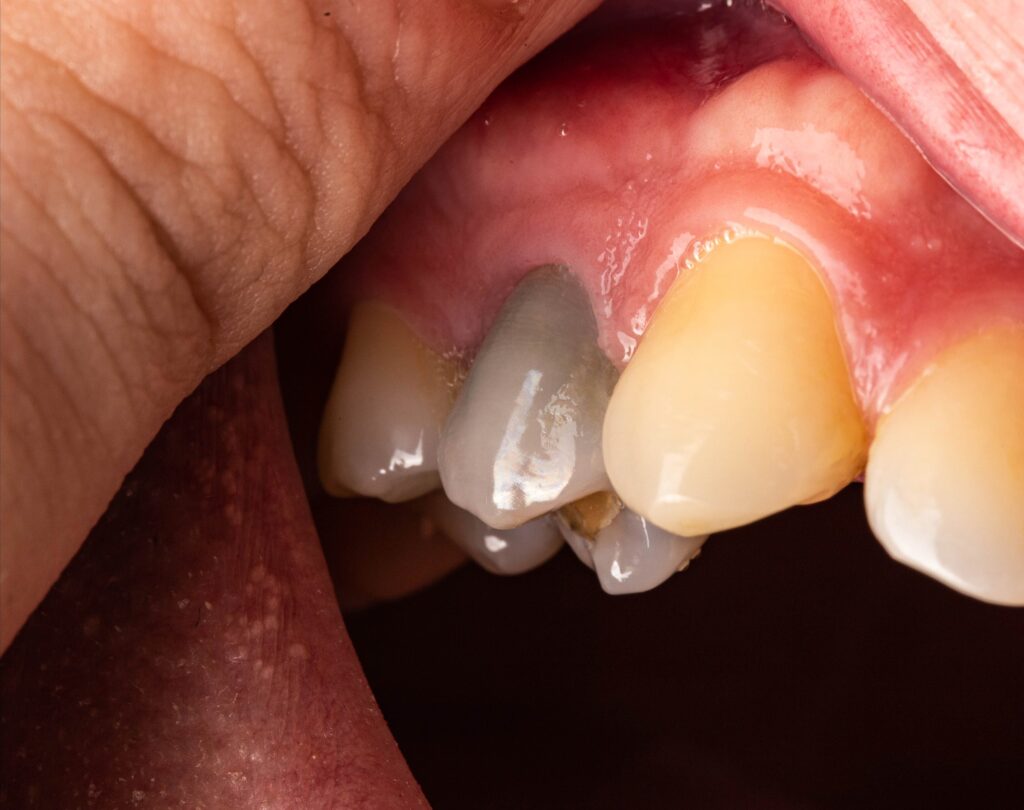
Fillings are materials used to restore teeth affected by decay or minor damage. They repair areas where decay has been removed, allowing the tooth to regain standard structure and function. This process also helps protect against further deterioration by sealing the area and reducing the chance of bacteria entering. Various types of filling materials exist, each with unique properties and appearances to suit different needs.
Before the procedure, your dentist will review the treatment plan and describe each step of the process. They may explain the types of materials available and how each one interacts with the tooth. Understanding what to expect can make the appointment more comfortable and help you feel prepared for your restoration. Clear communication with your dentist allows for informed decisions and a smoother overall experience.
Filling Placement
Placing a filling is a routine dental procedure designed to restore a tooth’s structure. The process begins with numbing the area to maintain comfort, and the dentist then removes decayed material with precision. Once the cavity is cleaned and dried, the surface is prepared so the filling can bond securely to the tooth.
The chosen material is applied in layers, shaped carefully, and polished for a smooth finish. Each step supports accurate placement and proper alignment within the bite, helping the tooth function naturally. Because the procedure restores both form and usability, the filled tooth blends seamlessly with the rest of your smile.
Filling Materials
Various materials are used for dental fillings, each with distinct characteristics and properties. Some fillings are tooth-colored, blending with natural teeth for a subtle, natural appearance, while others are made from metals that offer strength and long-lasting durability. The cost, appearance, and material composition can vary, which may influence the selection process. For instance, composite resins are popular for their aesthetic appeal, while amalgam fillings are known for their durability and cost-effectiveness.
The location, size, and function of the cavity can also influence the selection of an appropriate filling material. Your dentist can review the available options, explaining the benefits, characteristics, and evaluations of each type. This discussion helps you understand which material might be most suitable for your specific dental needs. Additionally, factors such as the tooth’s location in the mouth and your personal preferences may influence the decision-making process.
Find a Specialist for You
Proper care supports the longevity of your dental fillings and helps maintain overall oral health. Brushing twice daily and flossing regularly reduces plaque buildup and prevents further decay. During routine checkups, your dentist can assess your fillings for signs of wear or damage and recommend adjustments if needed. To keep your smile healthy and strong, schedule an appointment with your dental specialist for personalized guidance.